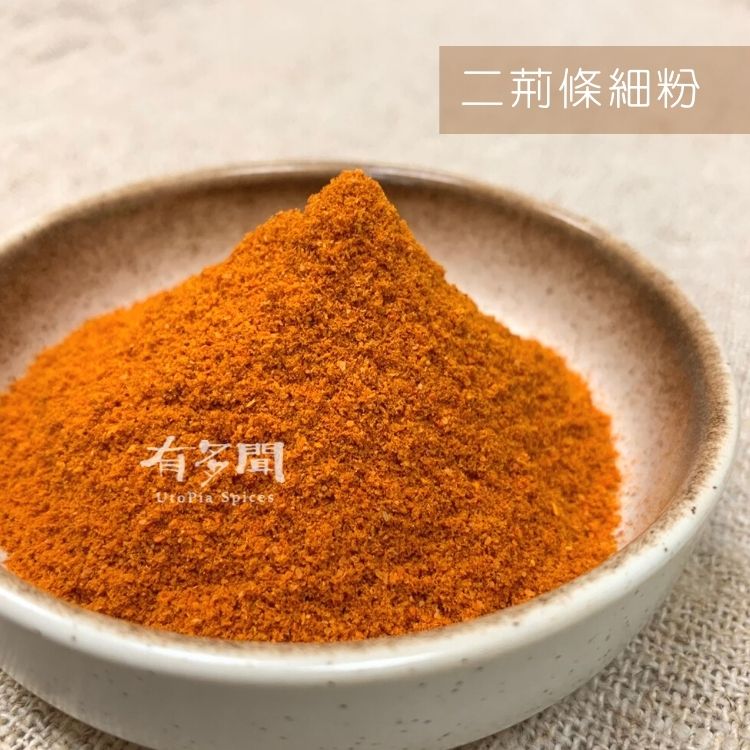
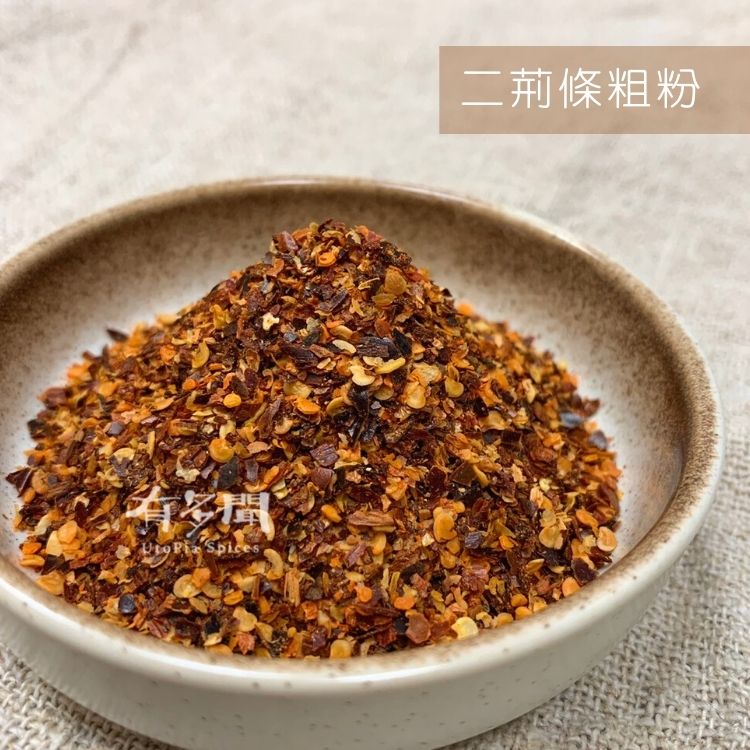
Erjingtiao Chili Powder


Feature:
Erjingtiao chili powder is a powder ground from Erjingtiao chili pepper, which retains the unique flavor and spiciness of the original chili pepper.
The powdered state makes it easier to store and use.
The color is usually bright or dark red.

Taste and smell:
Medium spiciness, with the same fruity aroma and subtle sweetness as the original two-wattle pepper.
The smell is fragrant with a hint of fruity aroma, making it even more versatile in cooking.

Origin:
China

Cooking dishes:
Often used in stir-fries, soups, stews, and even roasts.
Ideal for dishes that require a quick boost of spiciness and flavor.
It can also be used to make your own version of chili sauce or chili oil.

Chili powder is a very convenient and versatile condiment that is becoming increasingly popular in cooking not just in China but around the world. Its medium spiciness and distinctive fruity aroma make it ideal in a variety of dishes, especially those looking to add dimension and depth.

Dried Tangerine Peel


Feature:
Tangerine peel is made from the dried orange or tangerine peel.
The drying process causes it to darken and wrinkle.
Good quality tangerine peel should have a clean surface and uniform color.

Taste and smell:
The taste is uniquely bitter and sweet.
The scent is rich and citrusy, often with a hint of resin and herbaceous notes.

Origin:
China

Cooking dishes:
Often used in traditional Chinese cuisine, such as chicken stew or pork ribs soup.
In Chinese Cantonese cooking, it is used in stews and stir-fries.
Can be used to flavor curries and other stews.
It is also used in some desserts and drinks, such as tangerine peel cake or tangerine peel tea.

Applicable dishes:
Salted fish patties, stir-fried beef with oyster sauce, Taiwanese braised meat, winter melon and tangerine peel old duck soup, pear and southern apricot stewed pork shank, tangerine peel steamed pork ribs, tangerine peel duck, roselle tea, sour plum soup

Lantern Pepper Powder


Feature:
Bell pepper meal is made by drying and coarsely grinding bell peppers into larger particles.
Usually rich in color, such as red, yellow, or orange.

Taste and smell:
Bell pepper grits generally retain the flavor characteristics of the original bell pepper, with a subtle sweetness and a small amount of spiciness.
The scent is a combination of fruity and peppery notes, with a hint of fresh citrus.

Origin:
China

Cooking dishes:
Bell pepper grits can be used in a variety of dishes, including soups, stews, stir-fries, and grilling.
Because its particles are larger, it is suitable for dishes that require a little texture.
It can also be used in homemade chili sauces or sauces to add depth and texture.
Commonly used in Mexican cuisine, South American cuisine, and some Asian cuisine.

**Bell pepper grits are used in a variety of cooking styles and cuisines due to their unique flavor and versatility. Not only can it be used as the main seasoning, it is also often used to decorate or enhance the taste of dishes.

Gochugaru Powder


feature:
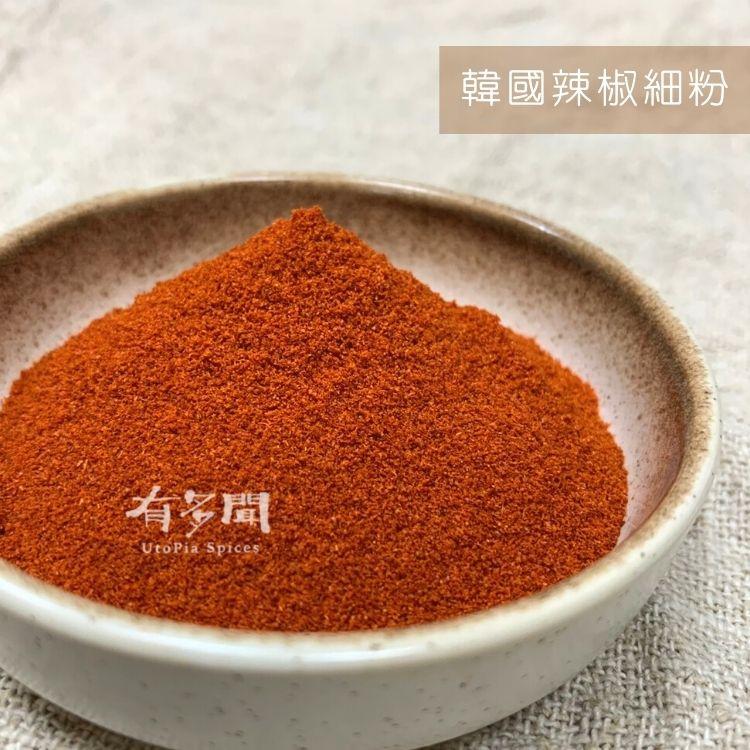
Korean chili pepper powder is made from a specific variety of red chili peppers that have been dried and ground.
The color is usually red to orange-red and the texture ranges from coarse to fine.
This type of chili powder is mainly used in Korean cuisine, especially in making kimchi.

Taste and smell:
The flavor is usually spicy with a hint of sweetness.
It smells somewhat like cayenne pepper and red pepper, but is milder and more complex than regular paprika.

Origin:
China

Cooking dishes:
Used to make a variety of Korean kimchi, including cabbage kimchi and cucumber kimchi.
It is also an indispensable ingredient in Korean fried rice cakes, Korean gochujang and many Korean soups.
Can be used as a marinade or sauce for Korean BBQ.

Coarse Gochugaru


feature:
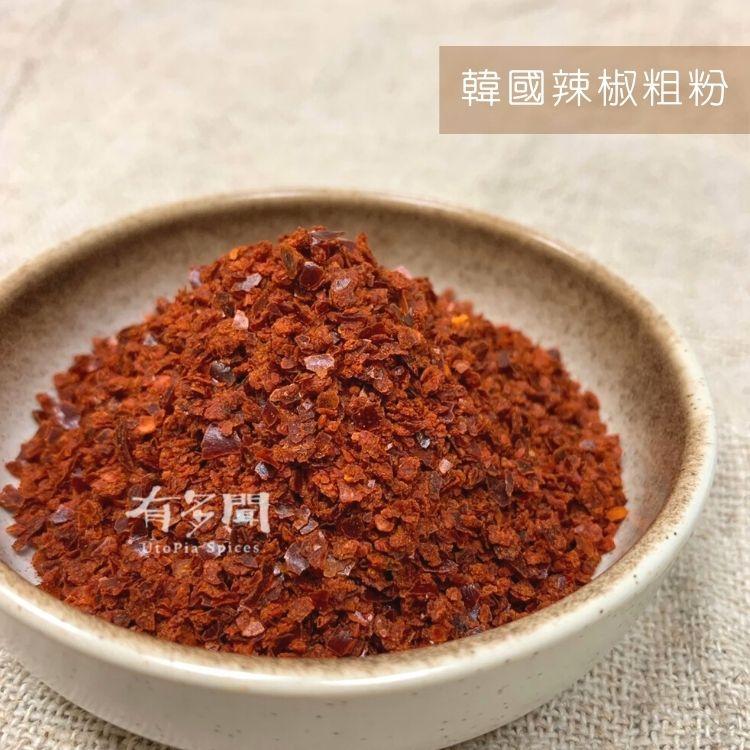
The main difference between coarse Korean chili powder and fine powder is that it has a coarser texture.
It is usually made from a specific variety of red pepper that has been dried and roughly ground.
The color is bright red or orange-red, and the texture is more like fragments than powder.

Taste and smell:
The flavor is spicy but usually has a hint of sweetness.
The smell is similar to fine powder, with complex aromas of cayenne pepper and red pepper, but may be stronger due to the coarser texture.

Origin:
China

Cooking dishes:
Grits are particularly useful in dishes that require texture, such as certain types of kimchi or Korean barbecue.
Its rough texture adds more flavor to food during cooking.
It can be used in a variety of stir-fries, sauces, soups, and as a marinade for meat and seafood.

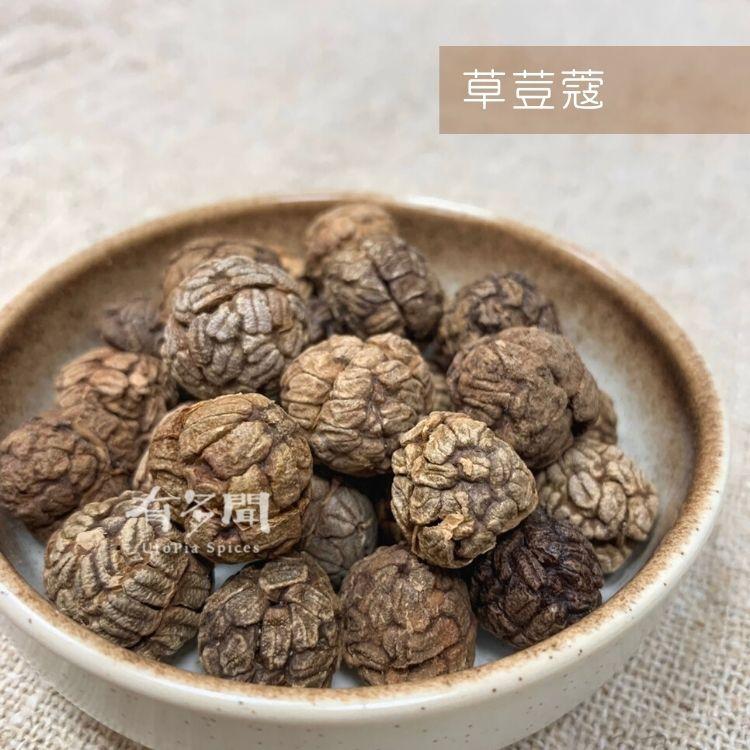
Tsaoko


Feature:
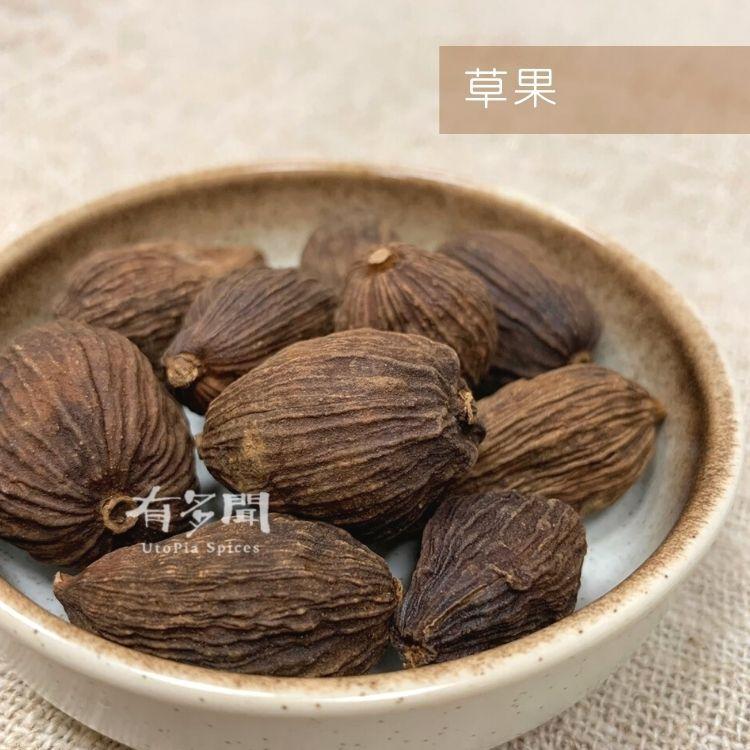
Caoguo is a perennial herb from the Zingiberaceae family, the fruit of which is used as a seasoning.
Its fruit is cone-shaped with many wrinkles and protrusions on its surface.

Taste and smell:
Grass fruit has a unique spicy taste and rich aroma.
The flavor is stronger, a bit like a combination of cinnamon and cloves, but more complex.

Origin:
China

Cooking dishes:
Caoguo is a commonly used seasoning in Chinese cuisine, especially Sichuan and Hunan cuisine.
It is often used to stew meat and fish, especially in dishes where fishiness and flavor need to be removed.
In Vietnamese cuisine, it is also used to stew meat and seafood.
In addition to being used whole, it is sometimes ground into powder for flavoring.

Applicable dishes:
Vietnamese Pho, Burmese Fish Noodle Soup, Vietnamese Beef Soup, Braised Pork Knuckles, Dongpo Pork, Cao Guo Chicken Soup, Spicy Hotpot, Mongolian Hot Pot

**Grass fruit is often used as a secret weapon to enhance flavor in cooking due to its strong flavor and aroma. Since the flavor is quite strong, you usually don’t use too much. It can provide dishes with deep texture and rich aroma. However, because the taste is unique, not everyone likes it, so be careful to control the proportions when using it.

Sichuan Peppercorns Powder


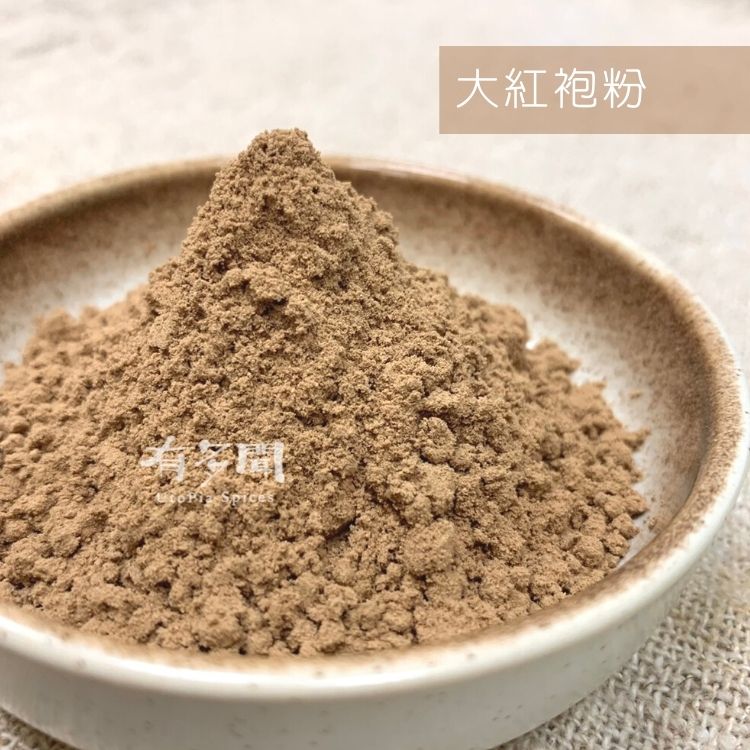
Dahongpao Zanthoxylum bungeanum powder is a powder made from a specific species of Zanthoxylum bungeanum.

Feature:
Color: Light brown to dark reddish brown, depending on variety and degree of roasting.
Texture: Fine powder texture.

Taste and Smell:
Taste: Sichuan peppercorns have a unique spicy quality that creates a numbing sensation on the tongue and lips.
Smell: Zanthoxylum bungeanum has a distinct lemony and somewhat woody aroma.

Origin:
Mainly produced in Sichuan Province, China, it is also produced in other places in China, such as Chongqing, Shaanxi and Gansu.

Cooking dishes:
Sichuan Cuisine: Sichuan peppercorns are often used in Sichuan cuisine, especially in classic dishes like mapo tofu and boiled fish.
Pickling: Sichuan peppercorns are often used to pickle meat or pickle ingredients to add a unique spicy flavor.
Sauces and oils: Sichuan peppercorns are often used to make seasoning oils or sauces, such as Sichuan peppercorn oil.
Grilled and fried foods: Sprinkling peppercorns into grilled or fried foods can add a special flavor.

Applicable dishes:
Spicy hot pot, boiled beef, mapo tofu, pepper and sesame roasted chicken, cold vegetables, vinegar-glazed potato shreds, beef noodles, Sichuan spicy red oil

**Sichuan peppercorn powder has a very distinct flavor, so use it with caution when cooking. Excessive use may result in a strong numbing sensation and affect the overall taste and taste.

Cardamom


Feature:
Cardamom is a plant from the Zingiberaceae family, the fruits and seeds of which are commonly used as a seasoning.
Usually appears as a hard-shelled fruit containing seeds.

Taste and smell:
The flavor is usually relatively mild but has a strong aroma, with a hint of spiciness and sweetness.
The smell is somewhat like nutmeg, but generally milder.

Origin:
China

Cooking dishes:
Cardamom is particularly common in Indonesian and Malaysian cuisine, where it is used to season meat and seafood.
It can also be used in desserts and drinks, especially traditional desserts in Southeast Asia.
The seeds can be ground into a powder and used, or the whole seeds can be used in soups and curries.
Because of its milder flavor, it is often used with other spices such as cloves, cinnamon, and ginger.

Applicable dishes:
Spicy hot pot, various brine, braised mutton hot pot, braised pig’s feet

**Cardamom is a relatively rare but very important spice in traditional cuisine in some areas. Its unique aroma and taste make it an indispensable ingredient in many dishes.

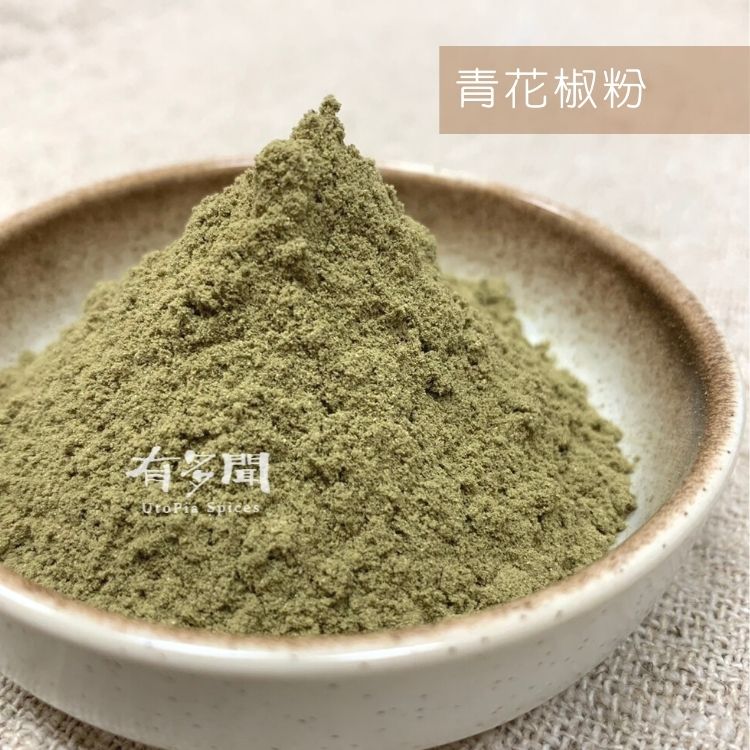
Green Sichuan Peppercorn Powder


Feature:
Green pepper powder is a powdered seasoning made from ground green peppercorns.
Unlike red peppercorns, green peppercorns are light green and have a fresh and unique flavor.
Usually rarer than red or black peppercorns.

Taste and smell:
Green Sichuan peppercorns have a special “numbing” effect, combined with a refreshing citrus flavor.
Its numbing flavor is not as strong as red peppercorns, but has more herbal and fruity components.

Origin:
Mainly produced in Sichuan, Shaanxi and Hunan provinces in China.

Cooking dishes:
It is commonly used in Chinese Sichuan and Hunan cuisine, often along with red peppercorns, garlic, ginger and other spices.
Green peppercorns can also be used to make marinades, barbecues and fried fish.
Its fresh flavor is ideal for flavor enhancement, especially in salads and summer dishes.

Applicable dishes:
Spicy hot pot, boiled fish, stewed meat, green peppercorn chicken, peeled chili pickled cabbage fish fillet soup, cold dishes

**Green peppercorn powder is a versatile but relatively rare seasoning, especially suitable for dishes that want to add a little special flavor and complexity. Due to its unique “numb” feel and herbal aroma, it works well in many different types of cooking.

White Cardamom


White cardamom actually comes from the same plant as green cardamom, but is processed differently, giving it its unique flavor and color.

Feature:
Appearance: Larger seeds with pale white shell.
Production process: similar to green cardamom, but through the process of fermentation and sun-drying.

Taste and Smell:
It has a mild, sweet, slightly cooling feel and a slight citrus aroma.
White cardamom has a less strong aroma compared to green cardamom.

Origin:
China

Cooking dishes:
Desserts: Due to its mild and sweet flavor, white cardamom is often used in desserts and candies.
Curries and meats: In some Asian cuisines, white cardamom is used in curries and meat dishes.
Beverages: In some regions, white cardamom is also used to make hot drinks, such as masala tea in India.
Baking: White cardamom is also a common flavoring in baking, used in cookies, cakes and breads.

Applicable dishes:
Mongolian pot, spicy pot, white soup base, braised meat, braised pork, stew, braised beef noodles, spicy braised tripe, pickled meat seasoning, spicy bean paste, mapo tofu

**When cooking with white cardamom, it should be noted that its aroma is milder than green cardamom, so the amount may need to be increased to achieve the desired flavor. White cardamom should also be stored in a cool, dry place to maintain its best quality and flavor.