Lemongrass


Feature:
Lemongrass is a tropical herb with tall, slender leaves and stiff stems. Its name comes from its unique lemon-like flavor.
Lemongrass is a common ingredient in Asian cooking, especially Thai, Vietnamese and Indonesian cuisine.

Taste and Smell:
Taste: Fresh lemon scent, but sweeter than lemon with hints of mint and rose.
Smell: Strong lemon aroma with subtle floral and spicy notes.

Origin:
China

Cooking dishes:
Curries and soups: Lemongrass is a key ingredient in many Asian curries and soups, such as Thai tom yum soup.
Steamed fish or chicken: Lemongrass can be cut into sections and steamed together with the ingredients to give the dish a light aroma.
Lemongrass tea: Chop fresh or dried lemongrass and brew it to make a refreshing lemongrass tea.
Stir-fry: Chopped or crushed lemongrass stems can be used in stir-fries to give dishes a unique flavor.
Citronella Oil: Citronella is also used to extract citronella oil, which is less commonly used in cooking but more commonly found in aromatherapy and mosquito repellent products.

Applicable dishes:
Nasi Lemak, Coconut Spicy Sour Bamboo Shoots, Thai Curry, Thai Grilled Fish, Vietnamese Soup, Tom Yum Soup, Hainanese Chicken, Lemongrass Sauce, Lemongrass Chicken Soup, Lemongrass Smoothie, Lemongrass Asparagus Juice

**In addition to its culinary uses, lemongrass is also commonly used in traditional medicine. It has digestive and analgesic effects. When used in cooking, the outer leaves are usually removed and only the inner stem portion is used because it is sweeter and has a softer texture.
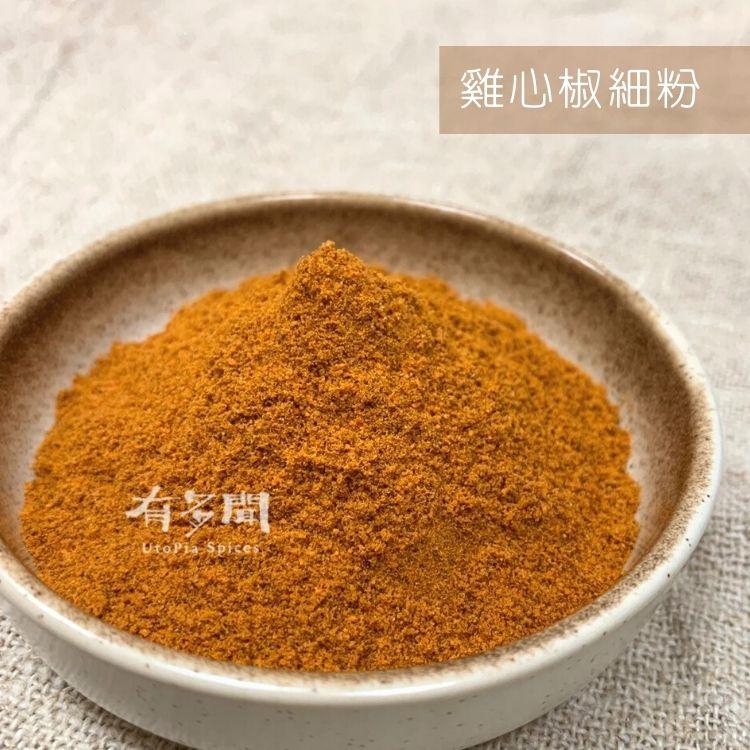
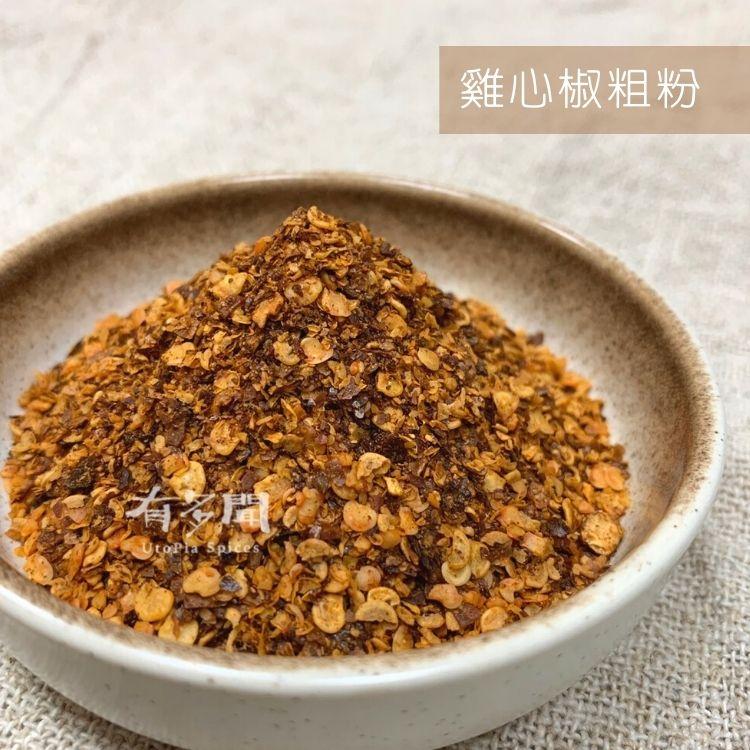
Bird’s Eye Chili Powder


Feature:
Chicken heart chili powder is a fine powder made from ground chicken heart chili pepper.
Since chili peppers themselves are very spicy, this chili powder also has a high level of spiciness.
The color is usually bright or deep red.

Taste and smell:
It has a strong spicy taste and a subtle fruity aroma.
The aroma is strong, similar to the original chili pepper, but more concentrated.

Origin:
China

Cooking dishes:
Chili powder is often used in dishes that require a spicy kick, such as curries, stir-fries, and soups.
Because it is very spicy, it is recommended to taste a small amount first and then gradually increase it as needed.
Can also be used to make hot sauce, hot oil or as part of a seasoning bottle.

**Chicken heart chili powder is extremely spicy, so be careful when using it. Since it is highly concentrated, it is recommended to start with a small amount when cooking and adjust according to your taste and acceptance. Chicken heart paprika is a versatile seasoning that can be used not only in hot dishes but also in cold dishes or marinades. Due to its rich flavor and high level of spiciness, it plays a prominent role in a variety of different cuisines.

Saffron


Feature:
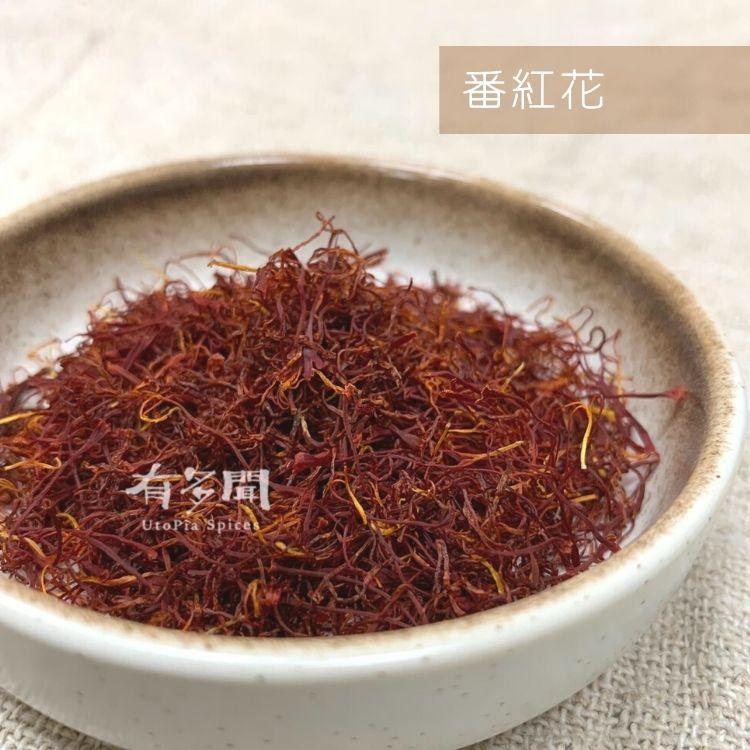
Crocus is made from the stamens of the crocus flower and is usually red or orange.
It is one of the most expensive spices in the world, mainly because its harvesting process is very time-consuming and labor-intensive.
A small amount brings intense color and flavor.

Taste and smell:
The flavor is unique, a bit like a cross between sweet grass root and metallic, with a slight bitterness.
The scent is a mix of floral and earthy notes, quite strong.

Origin:
Spain.

Cooking dishes:
Commonly used in rice dishes such as seafood risotto in Spain and briyani in India.
It is also used in desserts such as Indian kulfi and other dairy products.
In addition to food, it is also used to make various drinks, such as saffron tea.

Applicable dishes:
Spanish seafood risotto, French bouillabaisse, roasted chicken with saffron lemon, pasta, roasted vegetables, cheese pudding, sponge cake, saffron milk, saffron honey ginger tea

**Because of its unique flavor and color, as well as its high price, saffron is usually only used in high-end or special-occasion cuisine. Despite its hefty price tag, its flavor and aroma really add a rich dimension to a variety of dishes.

Long Pepper


Feature:
The shape of the pickle is different from that of ordinary peppercorns. It is usually a long strip-like structure.
The more traditional black or white pepper is less common.
It is documented in some old cookbooks.

Taste and smell:
Its flavor is more complex than regular pepper, with layers of sweet, spicy and slightly bitter.
Has a mixed woody, earthy and fruity scent.

Origin:
China

Cooking dishes:
Common in Indian and Southeast Asian cuisine, especially in curries and stews.
Can be used to prepare meat and fish dishes, as well as some unique desserts.
Long pepper was also a commonly used spice in medieval European cuisine.

Applicable dishes:
Curry, meat dishes, braised beef tendon, barbecue, stew, marinated seasoning, spicy hot pot, seafood, rice porridge, fish soup, dessert

**Wanpo has a place in cuisine due to its unique taste and shape. Although less common in modern cuisine, it still has its importance in classical and traditional cuisine. It can be used whole or ground into powder to add flavor and depth to dishes.

Amomum Subulatum


Feature:
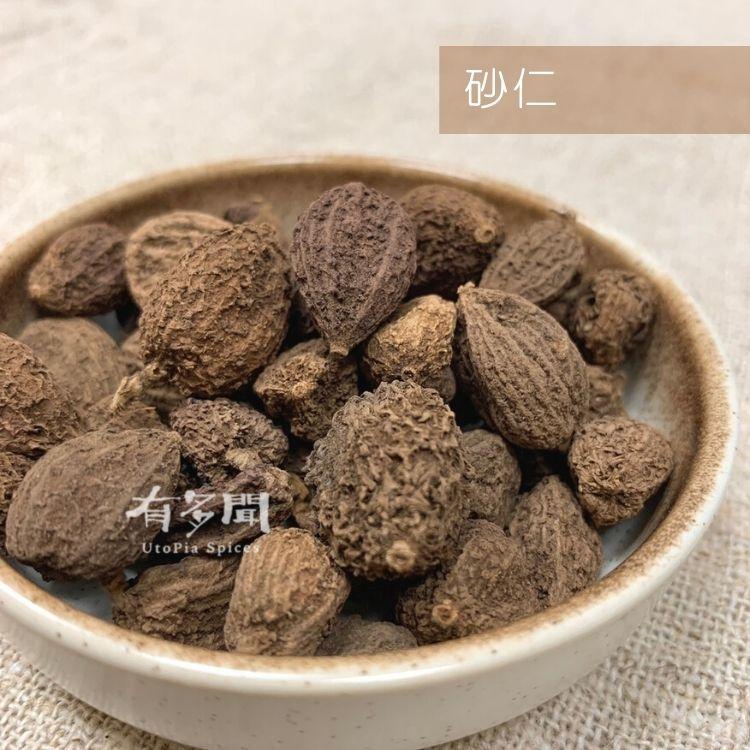
Amomum villosum is a small seed from a perennial plant in tropical Asia. It is part of the ginger family.
The shell of amomum villosum is black or dark brown, and the seeds inside are light yellow.

Taste and Smell:
It has a sweet and slightly spicy flavor with hints of citrus and pine.
The smell and taste are unique and refreshing.

Origin:
China

Cooking dishes:
Indian Cuisine: Amomum villosum is a common ingredient in Indian curry powder and garam masala (hot spice mix).
Pickling: Can be used to pickle vegetables or fish.
Baking: Some places use Amomum villosum to add flavor to baked goods.

Applicable dishes:
Braised braised meat, thirteen spices, spicy hot pot, braised beef, amomum crucian carp soup, amomum pork belly soup, amomum steamed pork ribs

**When using amomum villosum, it is often lightly sauteed or ground to enhance its aroma and flavor. However, because of its unique flavor, use it with caution to avoid an overly strong flavor.

Hawthorn


Feature:
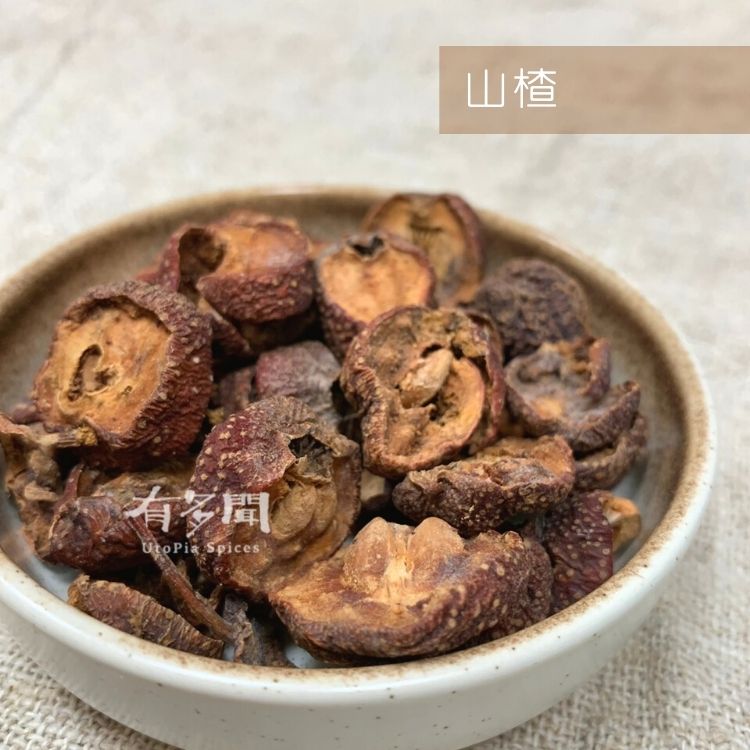
Appearance: Hawthorn is a small, round fruit ranging in color from yellow-green to bright red. When it is ripe, the pulp is sweet but also has a certain sour taste.

Origin:
China

Cooking dishes:
Hawthorn cake: This is a traditional Chinese snack made from grated hawthorn pulp and shaped like a small biscuit.
Hawthorn beverage: Hawthorn fruit can be made into juice or tea.
Preserved and candied: Hawthorn is often made into candied fruit or jam.
Traditional cooking: In some places, hawthorn is also added to stews to add a sweet and sour flavor.

Applicable dishes:
Candied haws, hawthorn, osmanthus and black plum soup, hawthorn cake, hawthorn cake, hawthorn tea, brine, spareribs soup, plum chicken soup

Angelica Dahurica


Feature:
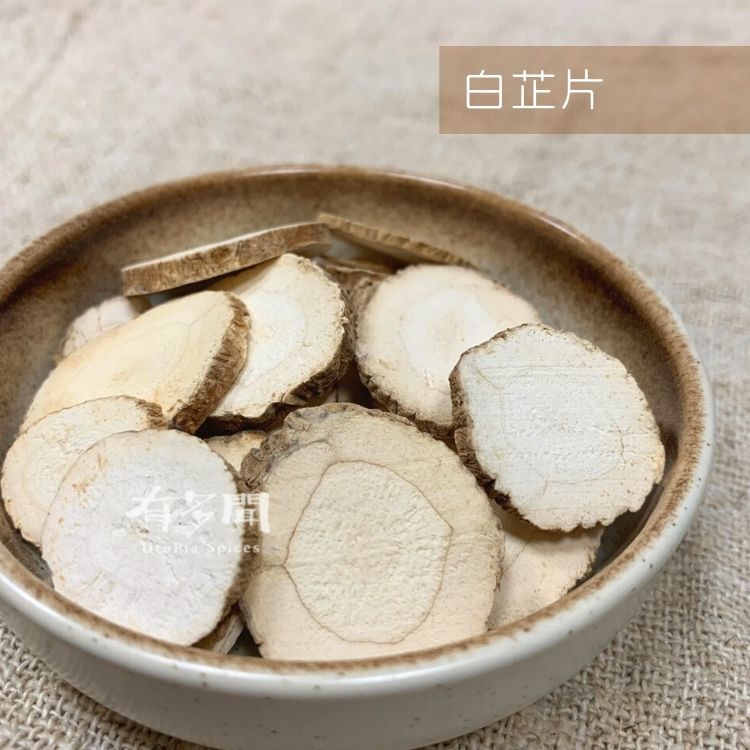
Appearance: Angelica dahurica slices are light yellow to white in color and have a silky texture.
Structure: Since it is cut from the root of Angelica dahurica, the shape and size of the slices of Angelica dahurica can vary.

Smell:
The taste of Angelica dahurica is spicy and has a certain aroma. Its flavor becomes more pronounced after cooking.

Origin:
China

Applicable dishes:
Teochew style brine, oily spicy seeds, Chuanxiong and Angelica angelica fish head soup, yam soup, soy sauce beef, Angelica angelica stewed with mushrooms, Angelica angelica stewed chicken soup, Angelica dahurica mung bean and coix seed soup, Coix seed and Angelica dahurica lily soup

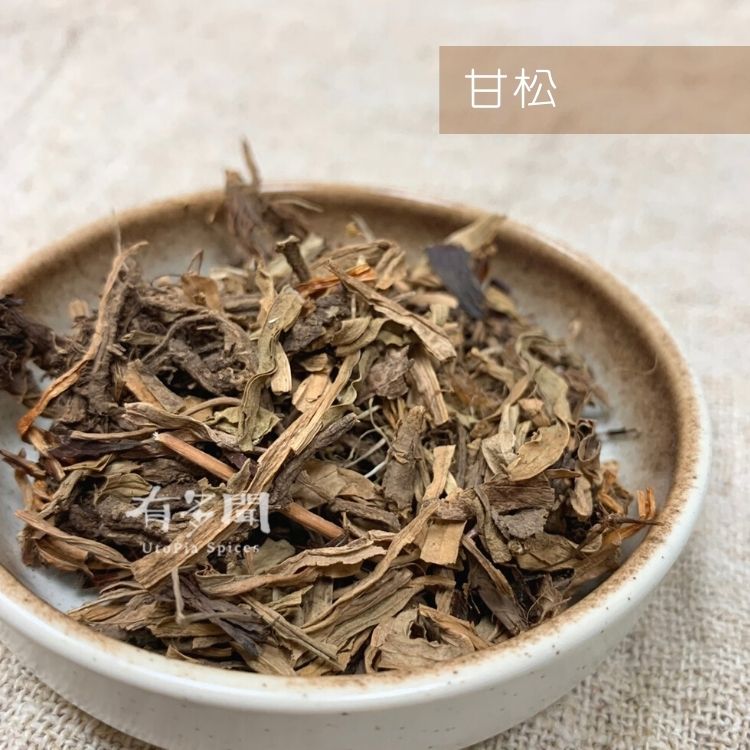
Gansong


Feature:
Appearance: The roots of spikenard are dark brown, have multiple fibrous protrusions, and are often tangled together.

Taste and Smell:
smell:
Spikenard tastes bitter and slightly sweet, and has a distinctive aroma that may be slightly overpowering for some people.
odor:
Woody Odor: The smell of spikenard is often described as having a woody aroma.
Slightly resinous: It has a slightly resinous or rosin aroma.
Soil Aroma: Due to the nature of its roots, it also has a certain soil or underground aroma.
Bitterness: In addition to its aroma, it also has a bitter taste, which may not be to everyone’s liking.

Origin:
China

Applicable dishes:
Spicy hot pot, brine, crayfish

Clove


Clove is a common spice derived from the unopened buds of the lilac tree.

Feature:
Appearance: Male lilacs are dark brown, shaped like a small nail, with a round top and a thinner stem in the middle.

Aroma and taste:
It has a strong and persistent spicy and sweet taste, slightly bitter, and has a light floral aroma. The flavor of cloves is very strong, so you need to pay attention to the amount when using it. Too much may overpower the flavor of other ingredients.

Origin:
China

Cooking dishes:
Condiments: Cloves are the main ingredient in many condiments, such as allspice. It is often used to add flavor to meats, marinades and sauces.
Desserts: Small amounts of cloves are also used in desserts such as cookies, puddings and sauces.
Beverages: Cloves can be used as a flavoring for hot wine or tea to bring aroma to beverages.
Cooking soup: Cloves are added to soups to add aroma.

Applicable dishes:
Roasted pig’s feet with cloves, duck meat with cloves, Filipino braised meat dishes, Indonesian Badawi braised chicken, bitter melon pork ribs soup, braised meat with vegetables, curry, steamed milkfish with pineapple bean paste, chocolate pudding, cakes, pickled preserves, wine

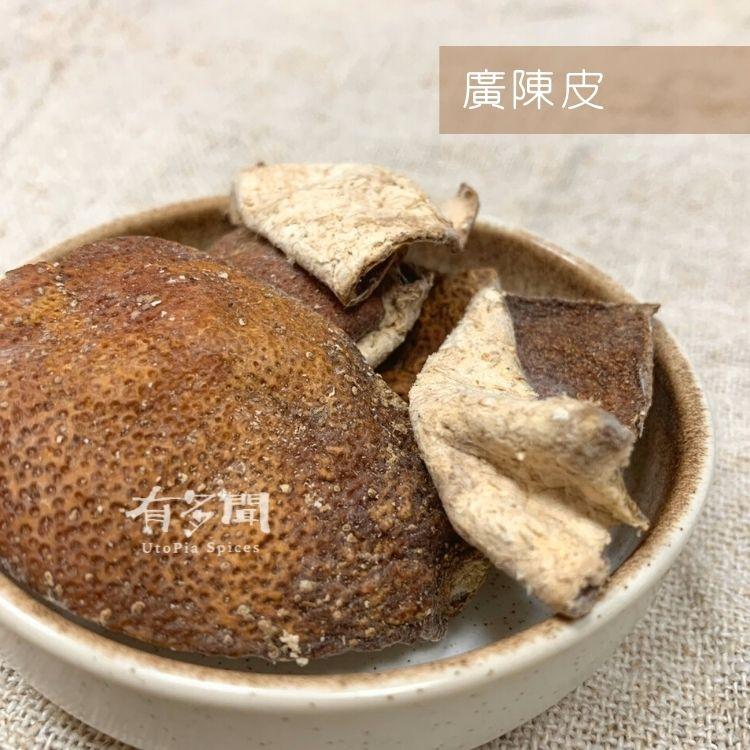
Dried Tangerine Peel


Feature:
Cantonese tangerine peel is a special type of tangerine peel that comes primarily from Guangdong Province in China.
It is usually made from the peel of citrus fruits, especially Cantonese mandarin orange.
The surface of good-quality cantaloupe tangerine peel will be dark orange or brown, and the texture will be firm and shiny.

Taste and smell:
It has a strong citrus aroma, but is more concentrated and complex than the average tangerine peel flavor.
It has a certain degree of bitterness, which is unique to it.

Origin:
China

Cooking dishes:
It is widely used in cooking in Guangdong and other southern Chinese regions, such as soups, stir-fries and medicinal meals.
The unique flavor of cantaloupe tangerine peel can enhance many traditional Chinese dishes, such as boiled chicken, pork ribs soup, etc.
It can also be used to make tea, often mixed with Pu’er or green tea to add flavor and aroma.

Applicable dishes:
Pan-fried chicken steak, salted fish patties, stir-fried beef with oyster sauce, Taiwanese braised meat, duck soup with winter melon and tangerine peel, braised pork shank with pear and southern apricots, steamed pork ribs with tangerine peel, duck with tangerine peel, tangerine peel mousse, fruit cake