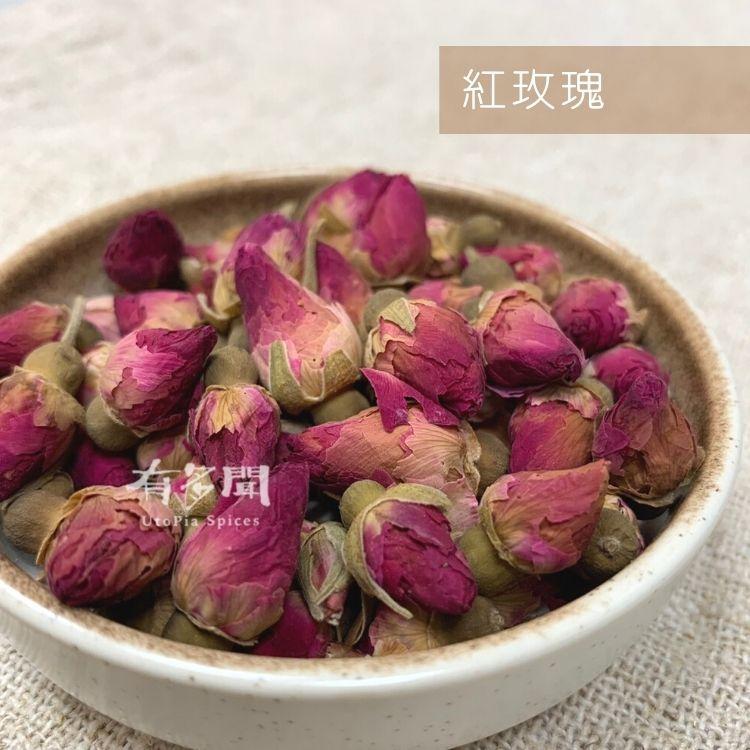
Red Rose


Feature:
Its flower shapes are diverse, ranging from single to multiple petals. Red roses are the most well-known variety of roses.

Taste and smell:
Flavor: Rose nectar or rose flower has a lightly floral and sweet aroma.
Smell: The smell of red roses is fragrant, with the unique sweet floral fragrance of roses. Different varieties may have slightly different aromas.

Origin:
China

Cooking dishes:
Rosette: Can be made from rose petals and sugar and used to decorate pastries or as a tea treat.
Rose Nectar: ​​A thick liquid made from rose petals soaked in sugar and used in desserts or drinks.
Rose tea: Scented tea made from dried rose petals.
Rose jam: A sauce made from rose hips that has a certain sour taste and can be paired with bread or used to make desserts.
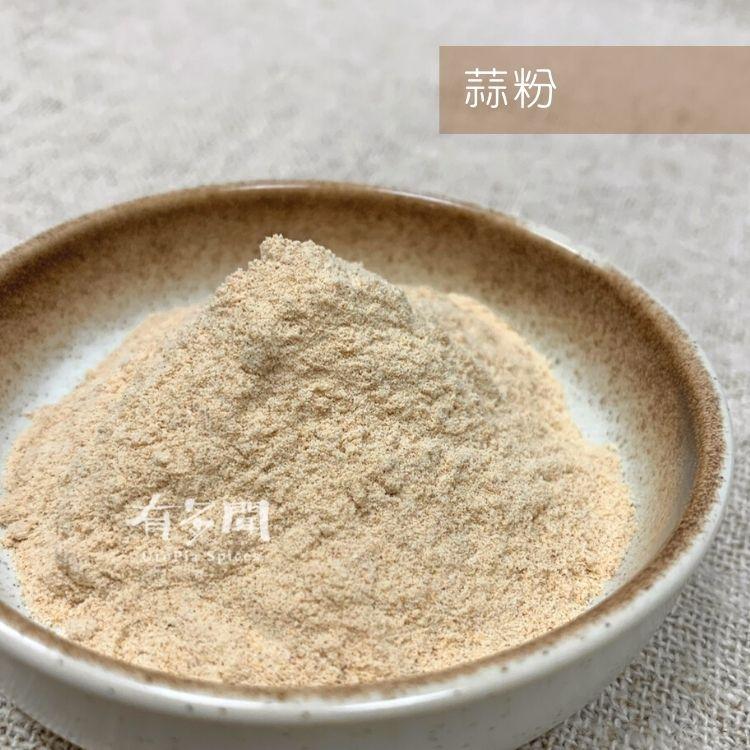
Garlic Powder


Feature:
Pesto powder is made from dried and ground garlic.
In the form of light yellow or white powder.
Easy to store and use, not easy to deteriorate.

Taste and smell:
Has a similar but more concentrated flavor to fresh garlic.
The aroma is strong and a bit spicy.

Origin:
Taiwan

Cooking dishes:
Commonly used in stir-fries, baking, stews and cooking sauces.
Can be used to make garlic bread, pizza, pasta, etc.
Mixed with other spices (such as onion powder, black pepper, Italian vanilla, etc.) to make a variety of seasoning powders.
It is widely used in American, Asian, European and Latin American cuisine.

**Pesto powder is a very useful spice, especially when cooking quickly or storing for long periods of time. Its flavor is relatively concentrated, so the dosage should be carefully controlled when using it. Compared to fresh garlic, pesto powder has a milder flavor and is less pungent. Therefore, it is an essential ingredient in many cuisines and recipes.

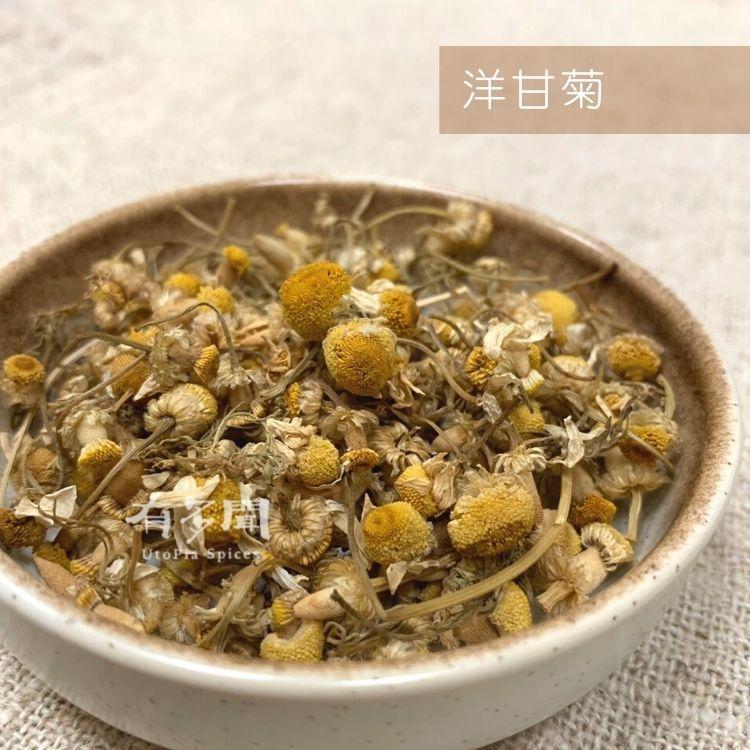
Chamomile


Chamomile is a common herb and is widely used as a tea.

Feature:
Chamomile flowers are small, yellow-white in color and similar in shape to daisies.
It is a perennial herb that grows in open areas with full sun.

Taste and smell:
Flavor: The flavor of chamomile is light and slightly sweet, sometimes described as tasting a bit like apples.
Smell: Its aroma is warm, sweet, and slightly fruity.

Origin:
Egypt

Cooking dishes:
Chamomile tea: is the most common way to use it. Simply soak dried chamomile flowers in hot water. Some may add honey or lemon for extra flavor.
Baked Desserts: Some baked goods, such as cookies or cupcakes, may have chamomile added to add a special aroma.
Chamomile Syrup: Can be used to make cocktails or drinks.

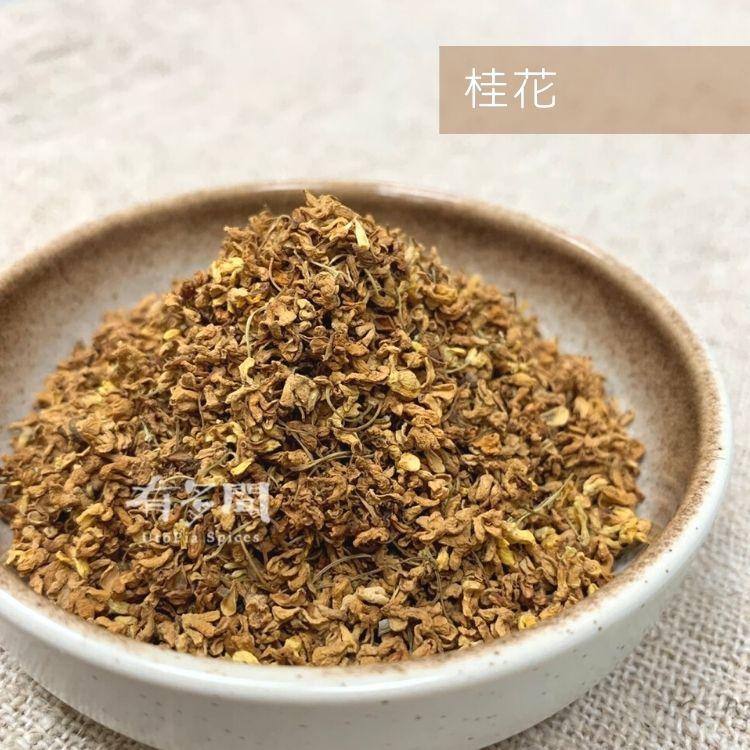
Osmanthus Fragrans


Osmanthus fragrans, also known as “sweet osmanthus” or “fragrant osmanthus,” is a beloved flower in China and other parts of East Asia.

feature:
Osmanthus fragrans is a small to medium-sized evergreen shrub or tree.
Osmanthus flowers are small and yellow or golden, sometimes almost white or light orange.
It blooms in autumn and has a strong fragrance.

Taste and smell:
Taste: The taste of osmanthus is very sweet, with a unique sweetness.
Smell: The scent of osmanthus is its most striking feature. It has a rich, sweet and slightly fruity scent.

Origin:
China

Cooking dishes:
Osmanthus syrup: Made from dried osmanthus flowers, it is often used in cooking or making drinks.
Osmanthus cake: It is a traditional Chinese snack with the aroma of osmanthus inside.
Osmanthus tea: Osmanthus flowers are mixed with tea leaves to release a sweet aroma.
Osmanthus wine: Osmanthus can be added to wine to increase the flavor.
Candied osmanthus: Osmanthus soaked in sugar water can be eaten directly or used to decorate desserts.

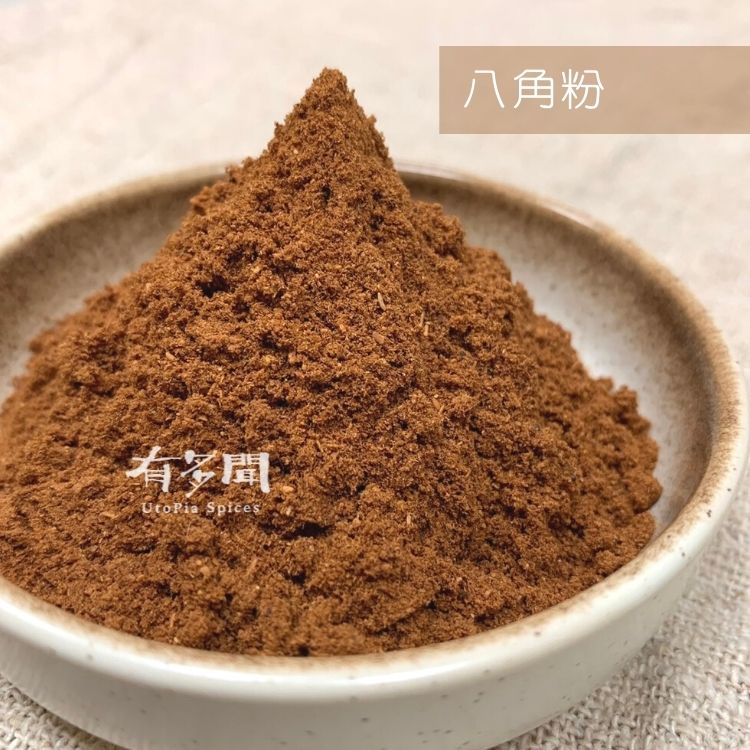
Star Anise Powder


Feature:
Star anise powder is a powdery seasoning made from ground star anise.
This powder is usually dark brown in color and has the characteristic aroma of anise.
It is a commonly used ingredient in cooking and baking, especially in Chinese and other Asian cuisines.

Taste and smell:
Star anise powder has a very unique and strong licorice or anise-like flavor.
The smell is warm, sweet, and has a subtle aroma that adds complexity to dishes.

Origin:
China

Cooking dishes:
In Chinese cuisine, star anise powder is commonly used in braised and stewed meat dishes, such as braised beef or stewed chicken.
It is also commonly used in desserts and baking, especially when making cookies or cakes.
Additionally, you will see it in Indian cuisine as part of curry.

Applicable dishes:
Braised pork, braised beef stew, basmati rice, Thai sticky rice, stir-fried pork liver with leeks, salt and pepper spareribs, Penang braised noodles, Vietnamese pho, roasted sweet potato with lamb, baked apple, honey pineapple, star anise pound cake, mulled wine, bubbles Tea

Star anise powder is a versatile and unique seasoning that has found a place not only in Chinese cuisine, but also in cooking around the world. Its unique taste and aroma can add depth and complexity to a variety of dishes. Since its flavor is quite strong, use it in moderation so as not to overpower the flavor of the other ingredients.

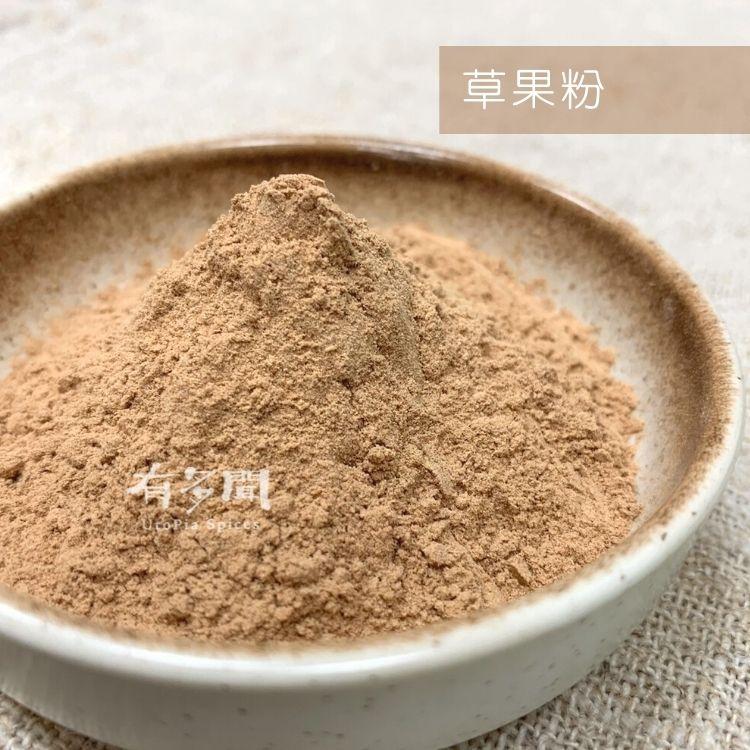
Tsaoko Powder


Feature:
Grass fruit powder is a powdered seasoning made from ground grass fruits.
The color is usually light brown and the texture is fine.
The powder form is easier to store and use than the whole fruit.

Taste and smell:
Grass fruit powder retains the spiciness and aroma of the grass fruit itself, but is relatively concentrated.
The flavor is complex, with notes of multiple spices including cinnamon, cloves and ginger.

Origin:
Taiwan

Cooking dishes:
Caoguo powder is often used in stews, stir-fries and pickled foods, especially in southern Chinese cuisines such as Sichuan and Hunan cuisine.
It can also be used to cook soups, usually together with other spices such as star anise, cinnamon, etc.
Because the flavor is strong, only a small amount is usually needed.
In addition to traditional Chinese cuisine, it can also be used in creative cuisine and Western cuisine, such as in meat stews or added to curries and risotto.

Applicable dishes:
Vietnamese Pho, Burmese Fish Noodle Soup, Vietnamese Beef Soup, Braised Pork Knuckles, Dongpo Pork, Cao Guo Chicken Soup, Spicy Hotpot, Mongolian Hot Pot

**Grass fruit powder is a multi-purpose seasoning suitable for various dishes. However, due to its relatively strong flavor, portions need to be carefully controlled when using it so as not to overpower the flavors of other ingredients.

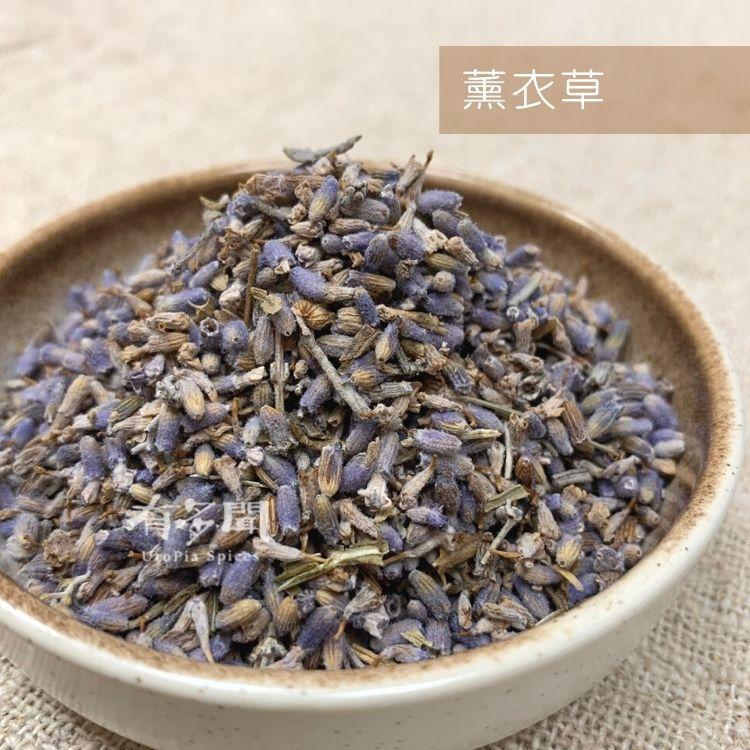
Lavender


Lavender is an herb that is very popular around the world.

Feature:
Lavender is a small perennial shrub, usually between 30 and 60 centimeters in height.
The plant has elongated leaves and small, tubular flowers, which are usually bluish-purple in color, but white and pink varieties are also available.

Taste and smell:
Taste: The taste of lavender is stronger than its smell, with a bit of bitterness and a touch of sweetness.
Smell: The smell of lavender is its most representative feature. It has a fresh, sweet, slightly woody aroma that is often used in perfumes and other fragrance products.

Origin:
France

Cooking dishes:
Lavender Sugar: Mix dried lavender flowers with sugar and allow the sugar to absorb the scent. This sugar can be used in baking or desserts.
Lavender Cookies: Lavender flowers can be finely ground and added to shortbread dough to create lavender-scented cookies.
Lavender Lemonade: Add a few wisps of fresh or dried lavender to lemonade for added aroma and flavor.
Lavender Ice Cream and Ice Cream: Lavender can also be used to make ice cream or ice cream, providing a unique flavor.
Lavender frosting: Boil lavender flowers with sugar and water into a syrup, then use it to drizzle over cakes or desserts.

**Although lavender has many uses in cooking, due to its strong flavor, it should be used with caution to avoid overpowering dishes.

Dang Gui Slices


Feature:
Angelica slices are cut from the root slices of Angelica sinensis.
Color is usually brown to dark brown.

Taste and smell:
The flavor is slightly sweet with a subtle bitterness.
The smell is unique, woody and herbal, with a slightly sweet aroma.

Origin:
China

Cooking dishes:
Often used in soups and stews.
It is also used to make tea or make bird’s nests, cakes and other foods.

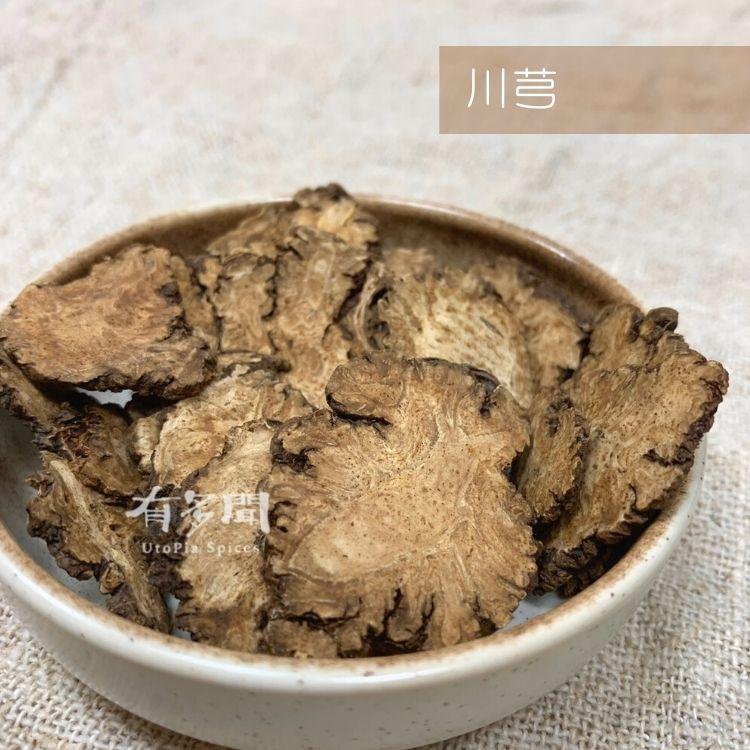
Chuanxiong Rhizoma


Feature:
Ligusticum chuanxiong is a perennial herb, and its rhizome is called Ligusticum chuanxiong.
Chuanxiong slices are dark brown in color and hard in texture.

Taste and smell:
The taste is slightly bitter and spicy.
The smell is unique, with a bit of earthiness and aroma.

Origin:
China

Cooking dishes:
In Chinese cuisine, Chuanxiong slices are often used in soups or stews.
It is also used in some specific foods and beverages, but because of its strong taste, it is usually not used in large amounts.

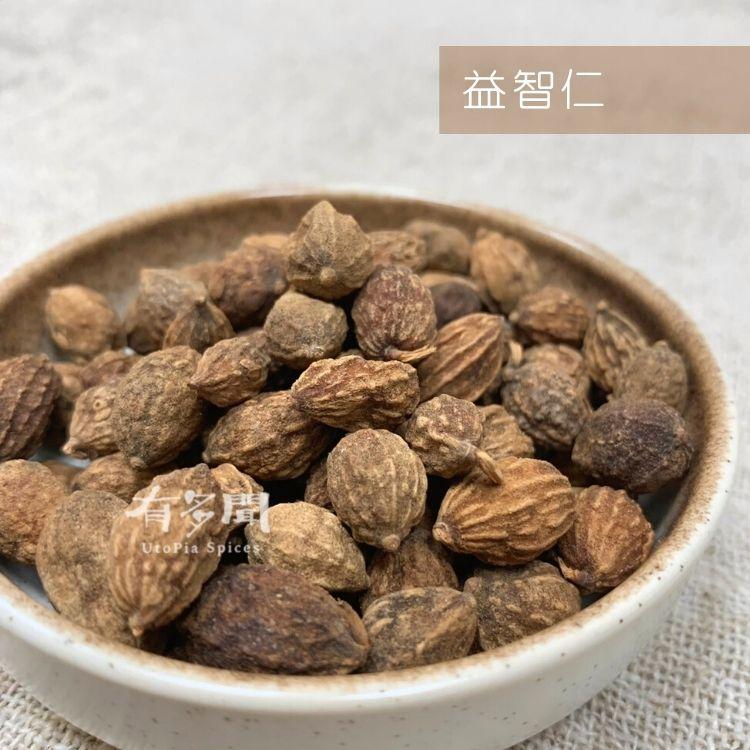
Cardamom


Feature:
Puzzle seeds are seeds from the ginger family and are used as spices.
It is shaped like a small oval capsule containing many seeds.

Taste and smell:
The flavor is unique, with a blend of citrus, lemon and mint.
The smell is sweet and tangy, sometimes with a slightly spicy flavor.

Origin:
It is native to India and Sri Lanka, and its current main production areas include India, Nepal, Pakistan and Indonesia.

Cooking dishes:
Pichia seeds are commonly used in Indian cuisine, especially curries and pastries.
In Middle Eastern cuisine, nootropics are commonly used in baking and beverages such as coffee.
Also used in desserts such as ice cream and pudding.
In Western cuisine, it is often used in baking and seasoning.

**Because the flavor of Puzzle Kernel is very strong, you need to be careful when using it. It is usually used in a smaller amount to avoid overpowering the flavor of other ingredients. It is also one of the main ingredients in many curry powders and masala powders. It is recommended to grind lightly before use to maximize the release of its aroma and flavor.