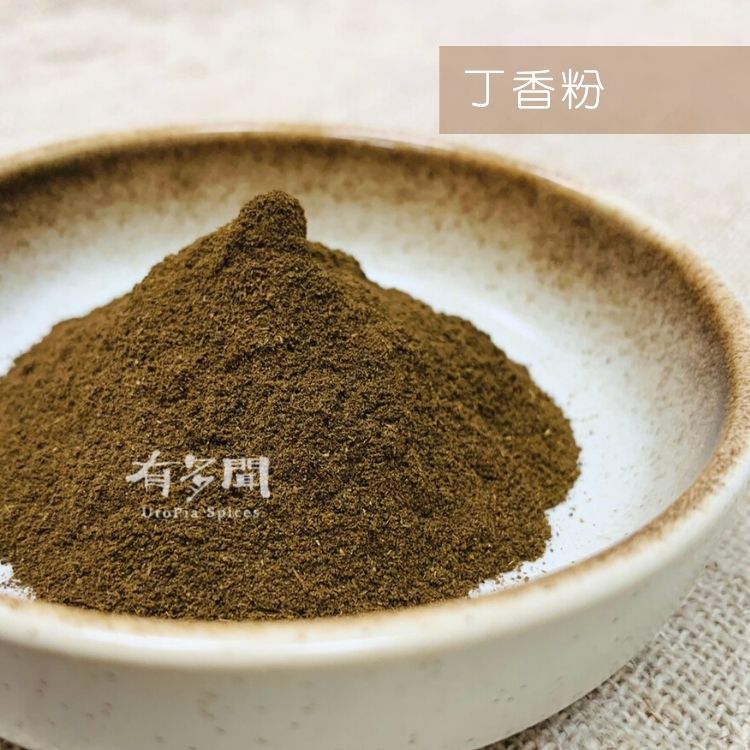
Clove Powder


Clove powder is ground from dried clove buds.

Feature:
Color: Tan.
Texture: Fine powder texture.

Taste and Smell:
Taste: Strong, spicy, with a slightly sweet mouthfeel.
Smell: Intensely sweet and woody aroma with warm, aromatic and spicy characteristics.

Origin:
Cloves are native to Indonesia’s Maluku Islands, but are now grown mainly in Indonesia, Madagascar, Tanzania and other tropical regions.

Cooking dishes:
Stew: Ground cloves are often used in stews of beef, lamb or pork to add a deep flavor to the dish.
Desserts: Ground cloves are also used in apple pie, pear cake, gingerbread, and other holiday desserts.
Beverages: It can be added to hot cider or hot chocolate to provide a warm and comforting taste.
Pickling: clove powder is also used in pickled foods, such as cured meats or pickles.
Spice Blends: Clove powder is an ingredient in many spice blends, such as allspice, hot curry powder, or other spice blends.

Applicable dishes:
Roasted pig’s feet with cloves, duck meat with cloves, Filipino braised meat dishes, Indonesian Badawi braised chicken, bitter melon pork ribs soup, braised meat with vegetables, curry, steamed milkfish with pineapple bean paste, chocolate pudding, cakes, pickled preserves, wine

**The strong taste and aroma of clove powder make it very popular in cooking, but it also needs to be used with care so as not to overpower the flavors of other ingredients.
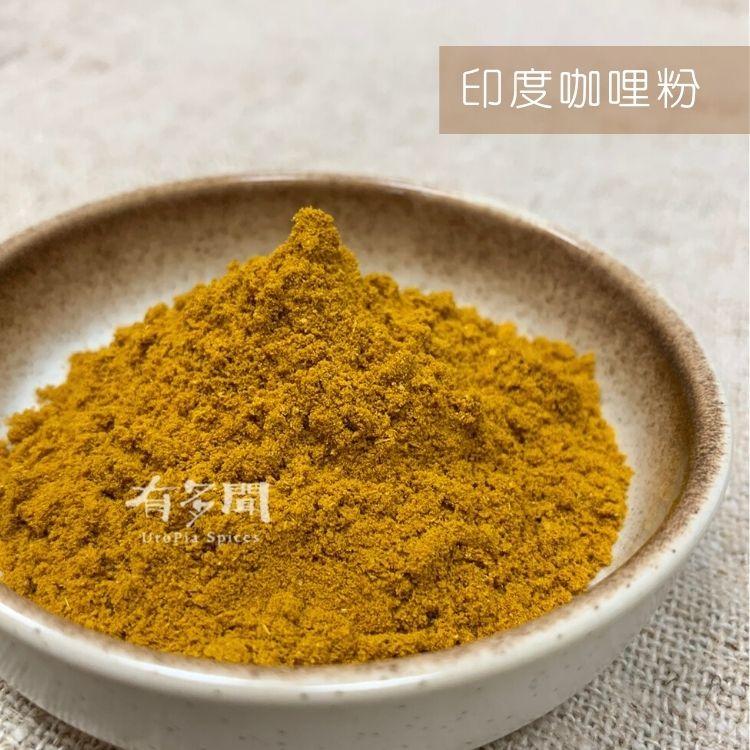
Indian Curry Powder


Feature:
Curry powder is a condiment made from a combination of spices and is commonly used in Indian cuisine.
Its ingredients may vary by region and specific cuisine.

Taste and Smell:
The flavor of curry powder is complex and rich, with slightly spicy, sweet and slightly bitter taste.
It has a strong smell and when heated it releases an alluring aroma that is irresistible.

Origin:
India

Cooking dishes:
Curry meals: Indian curry powder is the main seasoning in many Indian curry dishes, such as chicken curry, goat curry, etc.
Meals and Pasta: It can be used in fried rice or seasoned noodles to give meals a unique flavor.
Marinade: Curry powder can be used to marinate meat or fish to make it more delicious.
Soups: For example, curry coconut milk soup, which combines the spiciness of curry with the richness of coconut milk.
Snacks: Some fried or grilled items, such as samosas or curry patties, are also flavored with curry powder.

**Indian curry powder not only plays an important role in Indian cuisine, but is also used by chefs around the world in various cuisines to add rich flavor to food. Different brands or regions may have their own unique recipes, so the taste and spiciness may vary. When cooking, it is recommended to add gradually according to personal taste to achieve the best flavor balance.

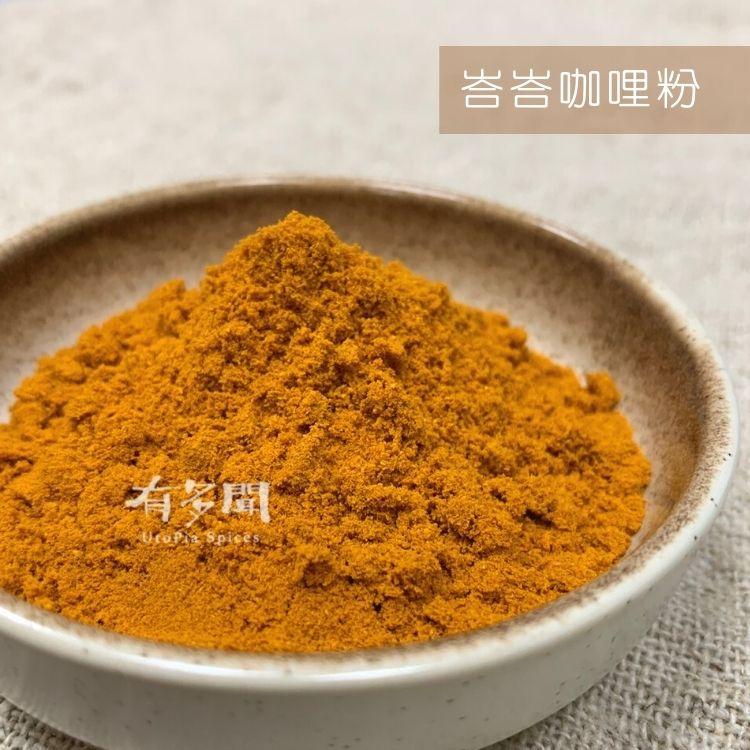
Babas Curry Powder


Feature:
Baba curry powder is a type of curry powder unique to Malaysia and Singapore and is influenced by Malay, Chinese and Indian food cultures.

Taste and Smell:
Baba curry powder has a unique spicy, sweet and spicy taste with a slightly fruity aroma.
A mixture of spices.

Origin:
Malaysia

Cooking dishes:
Curry meals: used to make a variety of meat, seafood or vegetable curries, such as chicken curry, fish curry, etc.
Coconut Milk Dishes: Baba curry is often combined with coconut milk to create a rich curry-based coconut milk soup or stew.
Curry cake: A Malaysian snack using Baba curry powder to flavor the filling.
Curry Noodles: A rich curry soup base made with Baba curry powder, served with noodles and other toppings.

**Baba curry powder is a representative of the unique food culture of Malaysia and Singapore, which combines the essence of the multiculturalism of these regions. When cooking, you can add the right amount of Baba curry powder according to your personal taste to achieve the ideal flavor balance.

Sichuan Peppercorns


Feature:
Appearance: Small, round fruits ranging in color from light brown to dark red.

Taste and Smell:
Taste and effect: The taste of Sichuan peppercorns is very unique, and it will bring a sense of numbness after eating, which is why it is called “Ma pepper” in China. Has a strong spicy woody aroma.

Origin:
Zanthoxylum bungeanum is mainly produced in China, especially in Sichuan, Shaanxi and Shanxi. But now, other countries such as India and Nepal have begun to grow Zanthoxylum bungeanum.

Cooking dishes:
Spicy taste: Sichuan peppercorns are a key ingredient in Sichuan dishes such as Mapo tofu and boiled fish. Used together with chili peppers, they can produce a “spicy” taste.
Seasoning: often used to make seasoning oil, such as Sichuan pepper oil.
Stewing and pickling: Sichuan peppercorns can be used to stew meat or pickle food to bring a special aroma.
Fry until fragrant: Before stir-frying, fry the Sichuan peppercorns in hot oil until fragrant to increase the aroma of the dish.

Applicable dishes:
Spicy hot pot, boiled beef, mapo tofu, pepper and sesame roasted chicken, cold vegetables, vinegar-glazed potato shreds, beef noodles, Sichuan spicy red oil

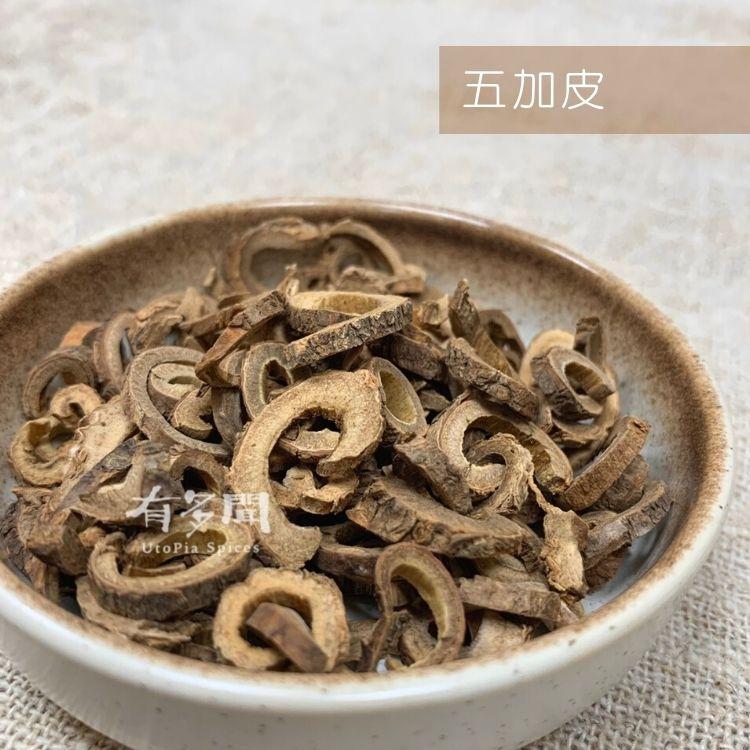
Schisandra Chinensis


Feature:
Acanthopanax bark is the fruit from the Schisandra chinensis plant. Schisandra chinensis is named for its five flavors (sweet, sour, bitter, spicy and salty).
Schisandra is a vine whose fruits are usually bright red berries.

Taste and Smell:
Wujiapi has five basic flavors, which gives it a unique flavor.
It has a fresh, fruity smell and a complex taste, sweet and sour, with a certain bitterness and slightly salty taste.

Origin:
China

Cooking dishes:
Soups: Acanthopanax bark is often used as part of soups
Schisandra chinensis wine: Wujia skin is used as a seasoning for the wine, giving it a unique flavor.
Schisandra chinensis syrup: Acanthopanax bark can be boiled with sugar to make syrup

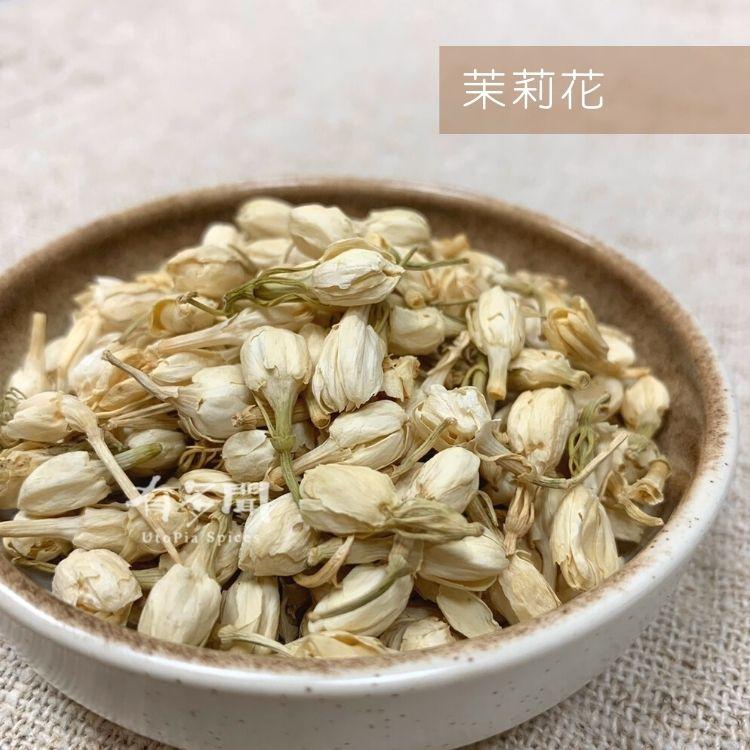
Jasmine


Feature:
Jasmine is a small, white or yellow flower with a typical five-petal shape, with its petals exposed and splayed outward.
Jasmine is a symbol of love and romance in many cultures.
It is widely used in tea and food because of its unique and attractive aroma.

Taste and Smell:
The fragrance of jasmine is its most prominent feature. It has a sweet, romantic and long-lasting aroma.
Taste-wise, jasmine has a hint of sweetness, but this is primarily considered aroma rather than flavor.

Origin:
China

Cooking dishes:
Jasmine Tea: This is the most famous way to use jasmine flowers. Green or white tea is fermented with jasmine flowers, allowing the tea leaves to absorb the fragrance of the flowers. This tea has a light, pleasant jasmine scent.
Jasmine sugar: Jasmine flowers are boiled with sugar to make a syrup that is used in desserts and drinks.
Desserts and Desserts: In some cultures, jasmine is used as a garnish and flavoring for snacks or desserts, giving the food a unique aroma.

**Jasmine is cherished not only for its captivating fragrance, but also for its symbolic significance and multiple uses in tradition. In cooking, it is often used to enhance the flavor of other ingredients or as a garnish to add appeal to a dish.

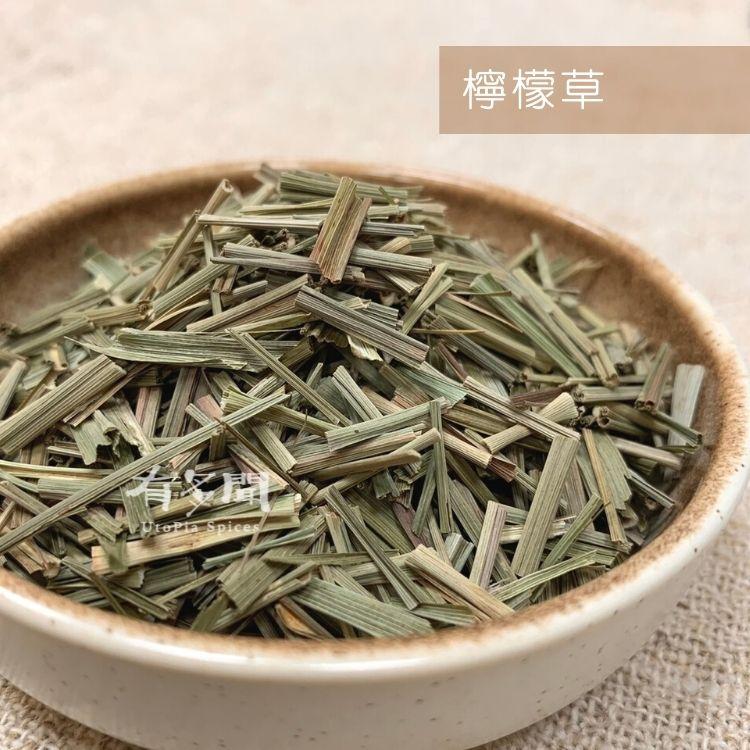
Lemongrass


Feature:
Lemongrass is a tall, leafy herb with slender stems that are light green to light yellow in color.
The leaves are elongated in shape with serrated edges.
Lemongrass gets its name from its lemon-scented stems and leaves.

Taste and Smell:
Lemongrass smells fresh, lemony, with a slight hint of rose.
Taste-wise, it has a refreshing citrus flavor with a hint of sweetness.

Origin:
Vietnam

Cooking dishes:
Thai soups: Lemongrass is the main ingredient in Thai soups such as Tom Yum Soup.
Lemongrass Tea: Lemongrass leaves and stems can be boiled to make a refreshing herbal tea.
Spice Sauces and Curries: Lemongrass is widely used in making a variety of Asian curries and sauces.
Grilled meat and fish: Lemongrass stems are often used on skewers to add extra flavor to meat or fish.
Salads: Fresh lemongrass can be chopped finely and added to a variety of Asian salads.

**Lemongrass’s versatility makes it a popular ingredient in many traditional Asian dishes. Its fresh lemony aroma and flavor not only enhances the taste of dishes, but also brings a touch of tropical flair to meals.

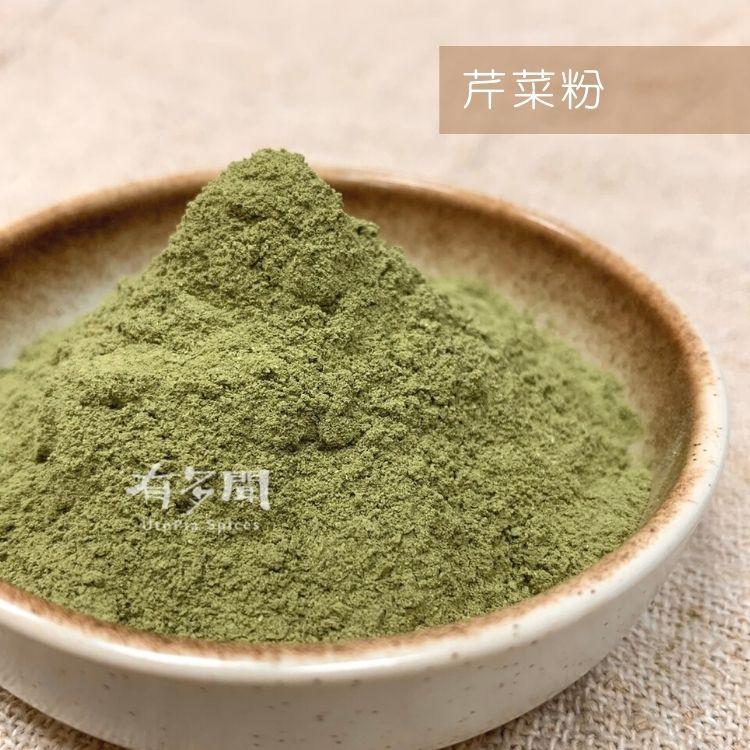
Celery Powder


Feature:
Celery powder is made by grinding dried celery leaves or celery seeds.
It is a low-calorie condiment often used to replace salt to add flavor.

Taste and Smell:
Celery powder has a bright flavor, somewhat like fresh celery but more concentrated.
It has a subtle sweetness and a slight bitterness.
The smell of celery powder is fresh and elegant, with a slight herbal aroma.

Origin:
Taiwan

Cooking dishes:
Celery powder is an excellent choice for soups, stews, sauces and marinades.
It can also be used in a variety of meat dishes including seafood, chicken and pork.
In vegetarian dishes, it can add depth and flavor.
Celery powder is also commonly used in some grilled and smoked foods to add a unique aroma and flavor.

**Celery powder is a versatile condiment suitable for a variety of dishes and foods. Because of its relatively mild flavor, it is often blended with other spices and herbs to create a richer flavor complex.

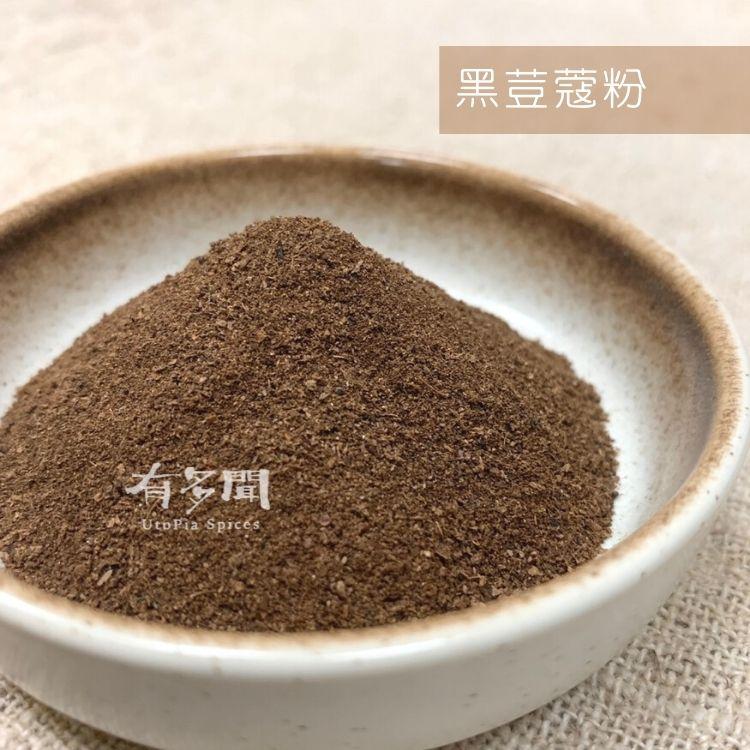
Black Cardamom Powder


Feature:
Compared with green cardamom, black cardamom is larger in size, has a black or dark brown shell and contains black seeds.
It is often used whole or in powder form in cooking, especially in South Asian cuisine.

Taste and Smell:
Black cardamom has a strong smoky aroma with slight hints of pine and camphor.
The flavor is stronger and richer, with a slightly bitter feel, and is deeper than the sweet and spicy flavor of green cardamom.

Origin:
Mainly produced in South Asia, especially India, Nepal and Bhutan.

Cooking dishes:
Curries and Stews: Black cardamom is a common spice ingredient in traditional Indian and Nepalese curries and stews.
Meals: For example, whole black cardamom may be added to some Indian fragrant rice with a firm texture (such as Indian fried rice Pulao).
Barbeques and Barbeques: Its smoky flavor makes black cardamom ideal for grilling and grilling.
Desserts: Although it has a stronger flavor than green cardamom, small amounts of black cardamom are used in some desserts to add flavor.

**Black cardamom powder has a high flavor-enhancing effect in cooking due to its unique smoky flavor. It can add depth and complexity to dishes, making them more layered. However, due to its strong flavor, it is recommended to use it in moderation when cooking.

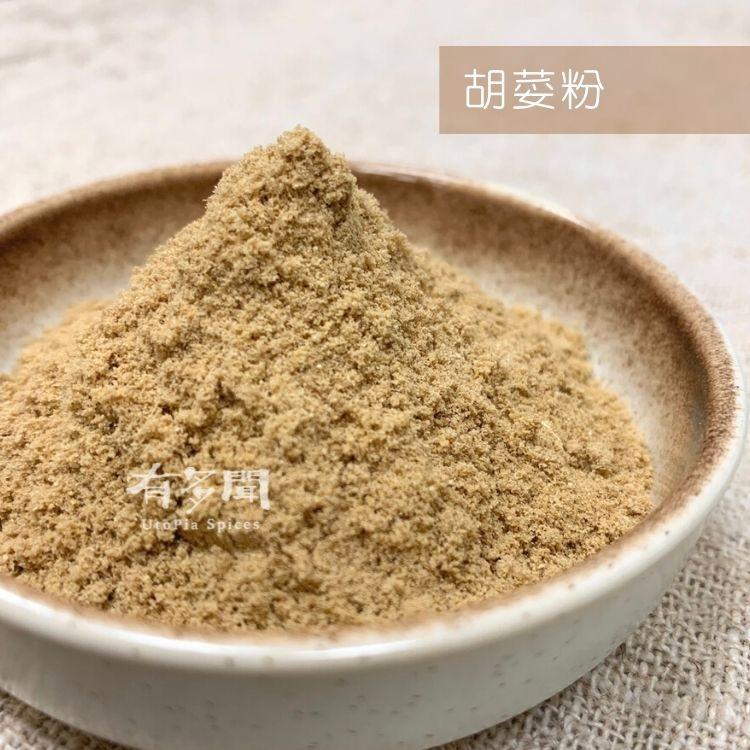
Coriander Powder


Feature:
Coriander powder is ground from dried coriander seeds.
The color is light yellowish brown, fine powder.

Taste and Smell:
Taste: Mild, sweet and fragrant lemon flavor.
Smell: Has a hint of orange peel and lemon.

Origin:
India

Cooking dishes:
Curry Cuisine: Coriander powder is very popular in Indian cuisine, where it is the base ingredient of many curry powder blends.
Soups and Stews: It is often added to various soups and stews, especially in the Middle East and Mediterranean regions.
Condiments: It can be mixed with other spices such as cumin, turmeric and cayenne to make a variety of condiments.
Baking: In some regions, coriander powder is also added to breads and pastries.
Stir-fries: In Asian cuisine, coriander powder is often used to flavor stir-fries.

Applicable dishes:
Southern style chicken curry, satay, Brazilian lemon garlic sauce, German sauerkraut, Indian sweet and sour sauce, grilled lamb chops, Indian minced meat curry, pickled vegetables, Burmese coconut milk noodles, Balinese dirty duck, Philippine coconut Leaf rice dumplings

**Coriander powder has a very unique aroma and flavor that can enrich the taste of food. However, due to its strong flavor, it should be used in moderation to avoid overpowering the flavors of other ingredients.