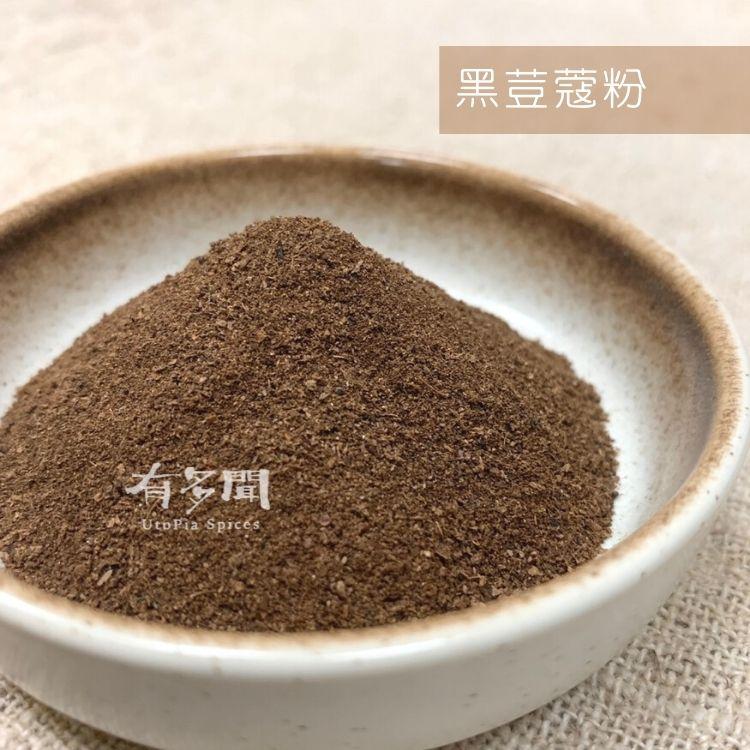
黑荳蔻粉 Black Cardamom Powder


ENGLISH

特色:
黑荳蔻與綠荳蔻相比,體積較大,外殼呈黑色或深褐色,內含有黑色的種子。
通常在烹飪中使用整粒或粉末形式,特別是在南亞料理中。

味道與氣味:
黑荳蔻具有強烈的煙燻香氣,並帶有輕微的松木和樟腦香味。
味道較為強烈和濃郁,具有稍微苦澀的感覺,與綠荳蔻的甜和香料味相較,更為深沉。

產地:
主要產於南亞地區,特別是印度、尼泊爾和不丹。

烹飪料理:
咖哩與燉煮料理:在印度和尼泊爾的傳統咖哩和燉煮料理中,黑荳蔻是常見的香料成分。
飯菜:例如印度的某些質地緊實的香飯(如印度炒飯Pulao)中,可能會加入整顆的黑荳蔻進行調味。
烤肉與燒烤:其煙燻風味使黑荳蔻成為燒烤和烤肉的理想選擇。
甜品:儘管它的味道比綠荳蔻更為濃重,但在某些甜品中仍會使用少量的黑荳蔻增添風味。

**黑荳蔻粉由於其獨特的煙燻風味,在烹飪中具有很高的風味增強效果,它能為料理添加深度和複雜性,使其更具層次感。但由於其風味濃烈,建議在烹飪時適量使用。

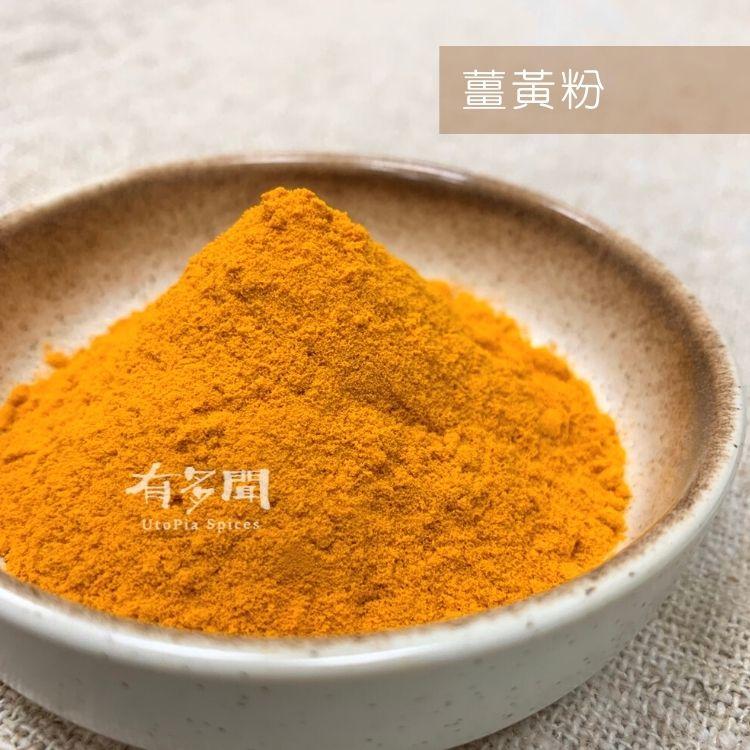
Turmeric Powder


Feature:
Turmeric powder is a powder made from ground turmeric roots.
It has a bright yellow color due to the presence of curcumin.

Taste and smell:
The flavor is slightly spicy and bitter, with a warm and authentic mouthfeel.
The smell is relatively strong, with woody and camphoraceous tones.

Origin:
India

Cooking dishes:
Commonly used in Indian cuisine, especially curry and yellow rice.
Can be used to flavor soups, stews, meats and vegetables.
It also has a place in Middle Eastern and Thai cuisine.
Because of its intense color, it is also often used as a natural colorant in food and beverages, such as in the production of golden milk.

Applicable dishes:
Curry chicken stew, turmeric rice, shrimp and vegetable pancakes, Vietnamese shrimp pancakes, pickled radish, Chinese pickles, turmeric grilled fresh fish, satay grilled meat, Burmese fish noodle soup, turmeric chicken soup, dairy products

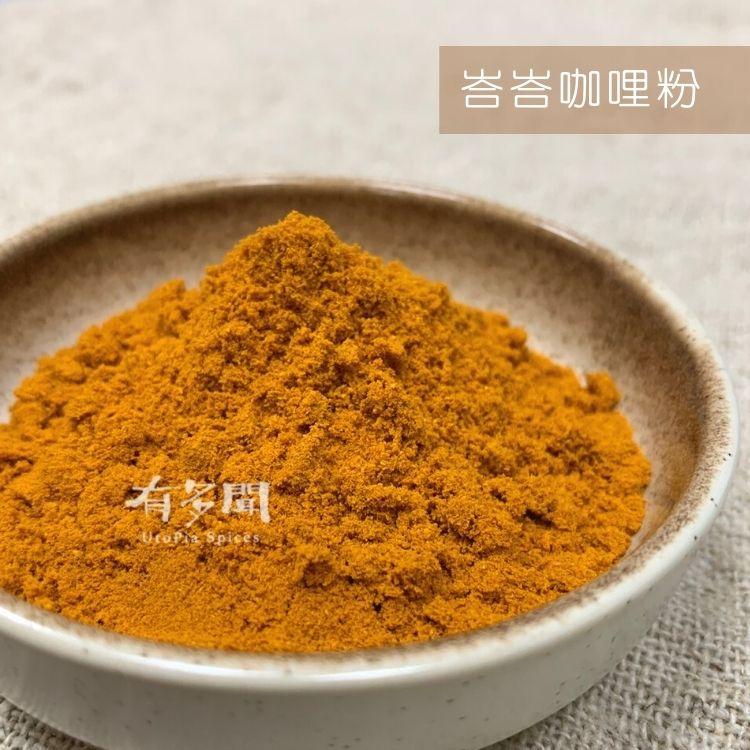
峇峇咖哩粉 Babas Curry Powder


ENGLISH

特色:
峇峇咖哩粉是馬來西亞和新加坡特有的咖哩粉種類,受到馬來、中國和印度飲食文化的影響。

味道與氣味:
峇峇咖哩粉具有獨特的辛辣、香甜和香料味,略帶一些果香。
混合了多種香料的氣味。

產地:
馬來西亞

烹飪料理:
咖哩餐點:用於製作多種肉類、海鮮或蔬菜的咖哩,如雞肉咖哩、魚咖哩等。
椰奶料理:峇峇咖哩經常與椰奶結合,製作出濃郁的咖哩椰奶湯或燉煮料理。
咖哩餅:一種馬來西亞的小吃,使用峇峇咖哩粉為餡料調味。
咖哩麵:使用峇峇咖哩粉製作的濃郁咖哩湯底,搭配麵條和其他配料。

**峇峇咖哩粉是馬來西亞和新加坡獨特的飲食文化的代表,它結合了這些地區多元文化的精髓。在烹飪時,可以根據個人的口味添加適量的峇峇咖哩粉,以達到理想的味道平衡。

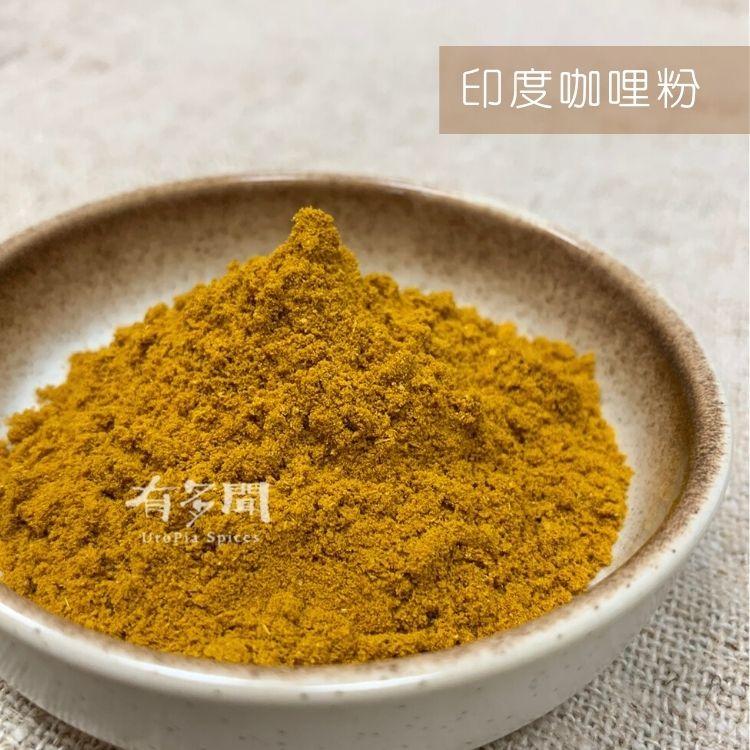
印度咖哩粉 Indian Curry Powder


ENGLISH

特色:
印度咖哩粉是一種由多種香料組合而成的調味料,常見於印度料理。
它的成分可能因區域和特定的菜餚而異。

味道與氣味:
咖哩粉的味道複雜且層次豐富,具有微辣、香甜和微苦的口感。
其氣味濃郁,當它被加熱時,會釋放出一種令人難以抗拒的誘人香氣。

產地
印度

烹飪料理:
咖哩餐點:印度咖哩粉是許多印度咖哩菜餚的主要調味料,如雞咖哩、羊咖哩等。
飯菜與麵食:它可以用於炒飯或調味麵條,賦予餐點獨特的風味。
醃料:咖哩粉可用於醃製肉類或魚,使其更加美味。
湯品:例如咖哩椰奶湯,結合了咖哩的香辣與椰奶的濃郁。
小吃:一些炸物或烤物,如咖哩三角餅或咖哩餡餅,也會使用咖哩粉調味。

**印度咖哩粉不僅在印度料理中佔有重要地位,還被全球各地的廚師用於各種料理中,為食物增添豐富的風味。不同的品牌或地區可能會有其獨特的配方,因此味道和辣度可能會有所不同。在烹飪時,建議根據個人口味逐步添加,以達到最佳的味道平衡。

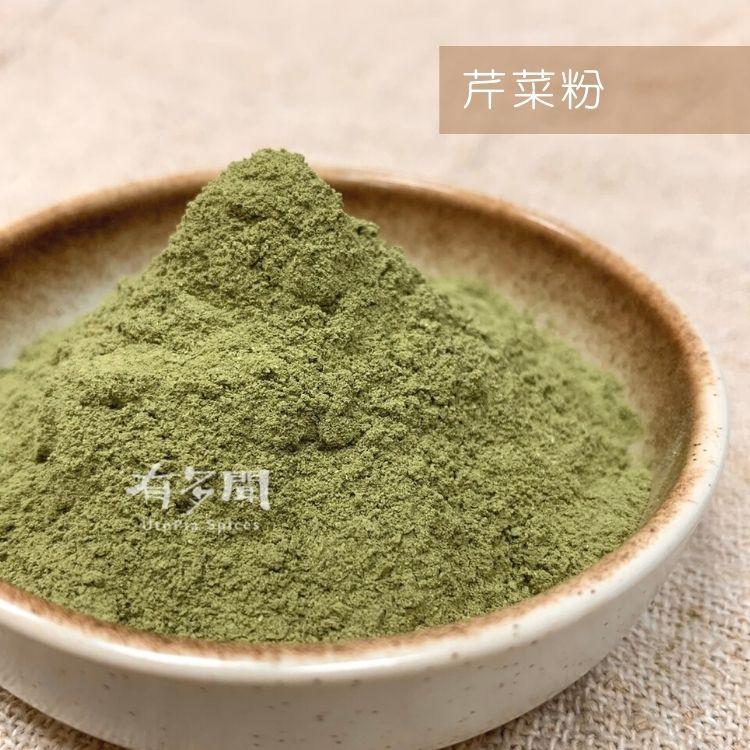
芹菜粉 Celery Powder


ENGLISH

特色:
芹菜粉是由乾燥的芹菜葉或芹菜種子磨碎製成的。
是一種低熱量的調味品,常用於代替鹽來增加風味。

味道與氣味:
芹菜粉味道鮮明,有點像新鮮芹菜但更為集中。
它帶有微妙的甜味和輕微的苦味。
芹菜粉的氣味清新而淡雅,具有一種輕微的草本香氣。

產地:
台灣

烹飪料理:
芹菜粉是製作湯、燉菜、醬汁和醃料的優良選擇。
它也可用於海鮮、雞肉和豬肉等多種肉類料理。
在素食料理中,它可以增加層次感和風味。
芹菜粉也常見於一些燒烤和燻製食品中,用以增加獨特的香氣和味道。

**芹菜粉是一種多用途的調味品,適用於各種料理和食品。由於它的味道相對溫和,所以常用於與其他香料和草本植物混合,以創造更豐富的風味複合體。

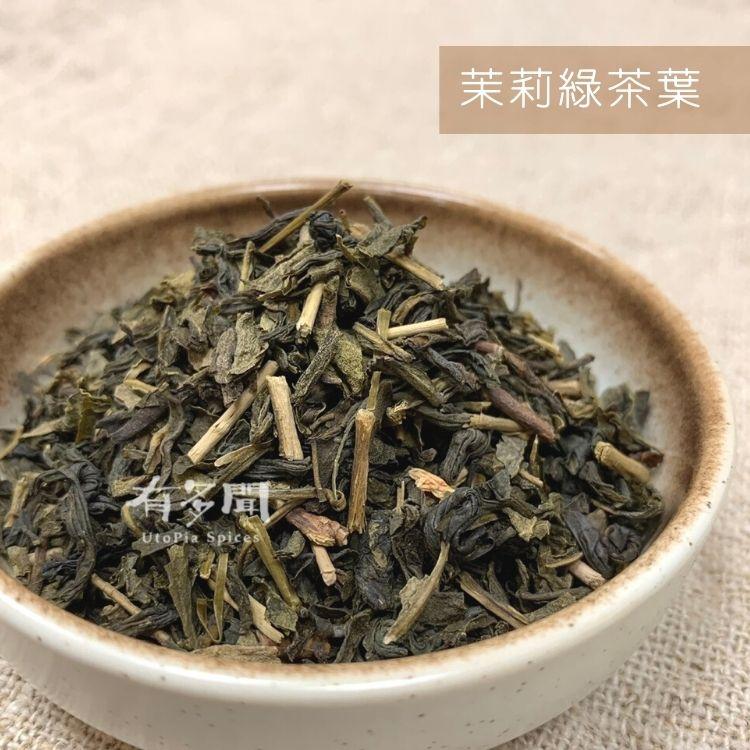
Jasmine Green Tea


Jasmine green tea is a tea that uses green tea as a base and then adds the fragrance of jasmine flowers. This tea is particularly popular in Asia.

Feature:
Light Green Tone: Jasmine green tea water usually appears light green or yellow-green in color.
Floral and tea aroma combined: The unique production process perfectly blends the floral aroma of jasmine and the tea aroma of green tea.

Smell:
Refreshing: The green tea base makes it taste very fresh.
Sweet floral fragrance: The addition of jasmine brings a sweet floral fragrance.

Odor:
Jasmine fragrance: Obvious jasmine fragrance, fresh and long-lasting.
Green tea base aroma: A light green tea aroma adds a layer of flavor.

Origin:
Vietnam

How to make tea:
Water temperature: 70-80°C hot water.
Tea amount: Generally use 3-4 grams of tea per 200 ml of water.
Tea set: It is recommended to use glass or porcelain teapot.
Tea brewing time: The first brewing time is about 1-2 minutes. You can adjust the tea brewing time according to your preference.
Multiple brewing tea: This kind of tea can usually be brewed multiple times, increasing the brewing time by 30 seconds to 1 minute each time.

**Jasmine green tea is often used in various occasions because of its unique aroma and taste. It is very popular whether for daily drinking or as a gift. The correct way to brew tea can better showcase its unique flavor and aroma.

Four Seasons Spring Tea Powder

Feature:
Type: Four Seasons Spring Tea is a green tea or oolong tea with a high degree of aroma and taste.
Production process: Traditional four-season spring tea goes through multiple processes such as withering, rolling, fermentation and baking. Tea powder is finely ground four seasons spring tea.
Appearance: Fine powder, usually dark green in color.

Smell:
Taste: Soft, with a slight sweetness and rich aroma.
Taste: Similar to traditional Four Seasons Spring Tea, with a distinctive floral and fruity aroma.

Odor:
Having a distinctive floral and fruity flavor is an important feature of Four Seasons Spring Tea.

Origin:
Taiwan

Cooking dishes:
Baking: Ideal for use in cookies, cakes and other baked goods to add color and flavor.
Seasoning: Can be used in stir-fries or soups to add color and aroma.
Ice products: Suitable for making ice cream or smoothies.
Bartending: Can be used to make various tea-based drinks or cocktails.

**Due to its high solubility and rich flavor, Four Seasons Spring Tea Powder is a versatile and convenient ingredient suitable for use in a variety of dishes and drinks.

Four Seasons Spring Tea

Four Seasons Spring Tea is originally produced in Taiwan, especially in tea areas such as Nantou and Alishan. This tea is named “Four Seasons Spring” because it can be produced all year round. It is a green oolong tea, somewhere between green tea and oolong tea.

Feature:
Leaf color: light green, often with a little purple.
Persistence: Produced year-round with consistent flavor.

Smell:
Fresh and sweet: The taste is stronger than ordinary green tea, but it is still fresh.
Fruity aroma: Most four-season spring tea has a soft fruity or floral aroma.

Odor:
Floral fragrance: Fresh floral or fruity fragrance is a major feature.
Foundation: It has the foundation of oolong tea, making its fragrance last longer.

Origin:
Taiwan.

How to make tea:
Water temperature: It is recommended to use hot water of 85-95°C.
Amount of tea: approximately 5-7 grams of tea leaves per 150 ml of water.
Tea set: It is recommended to use porcelain teapot or purple clay teapot.
Brewing time: The first brewing time takes about 30 seconds to 1 minute, and each subsequent brewing time increases by 15-30 seconds.
Multiple brewing tea: This kind of tea can be brewed multiple times, usually 3-5 times.

**Four Seasons Spring Tea is a very popular tea in Taiwan, suitable for daily drinking or as a gift. Since it is green oolong tea, it has the freshness of green tea and the richness of oolong tea, a perfect combination of the two. The correct way to brew tea can better showcase its unique flavor and aroma.
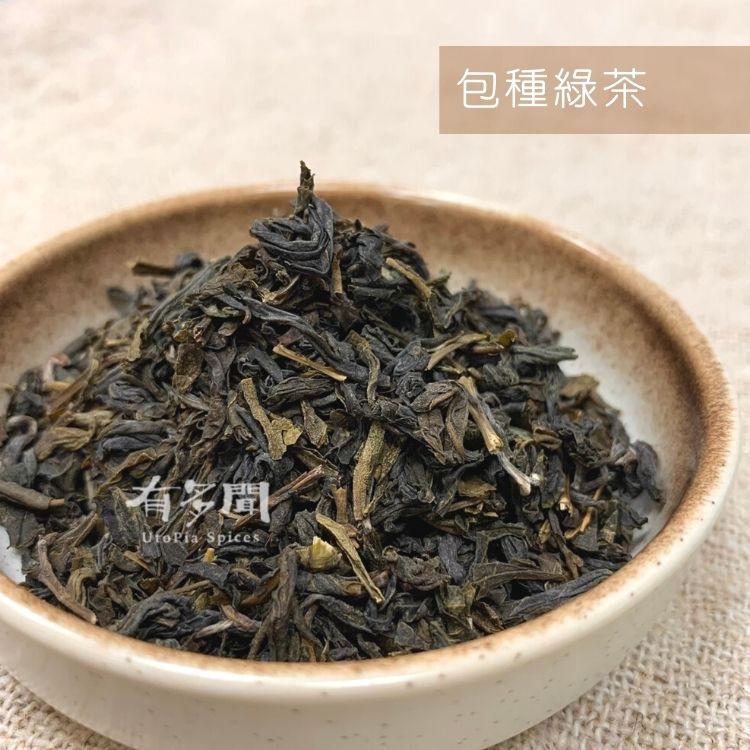
Baozhong Tea


Baozhong tea, also known as Baozhong tea or Baozhong oolong tea. It is a very lightly fermented oolong tea, and some people regard it as a kind of tea between green tea and oolong tea.

feature:
Leaf color: green to light yellow, usually elongated or semi-curled in shape.
Light fermentation: The degree of fermentation is usually between 10% and 18%.
smell:
Sweet: The taste is extremely fresh, with the sweetness of green tea.
Complexity: Due to the slight fermentation, there will also be the depth and complexity of oolong tea.
odor:
Obvious floral aroma: Baozhong tea generally has a very strong floral aroma, especially the aroma of olive flowers and jasmine.

Origin:
Vietnam

How to make tea:
Water temperature: It is recommended to use hot water of 85-95°C.
Amount of tea: Use about 5-7 grams of tea leaves per 150 ml of water.
Tea set: It is best to use porcelain pot or purple clay pot.
Brewing time: about 30 seconds to 1 minute for the first brew, then add 15-30 seconds for each subsequent brew.
Brew tea multiple times: This tea can usually be brewed 3-5 times.

**Baozhong tea is deeply loved by tea lovers because of its unique floral aroma and multi-layered taste. It has the freshness of green tea and the subtle complexity of oolong tea, making it perfect for any season and occasion. The correct way to brew tea allows you to better experience the various flavors and aromas of Bao Zhong tea.

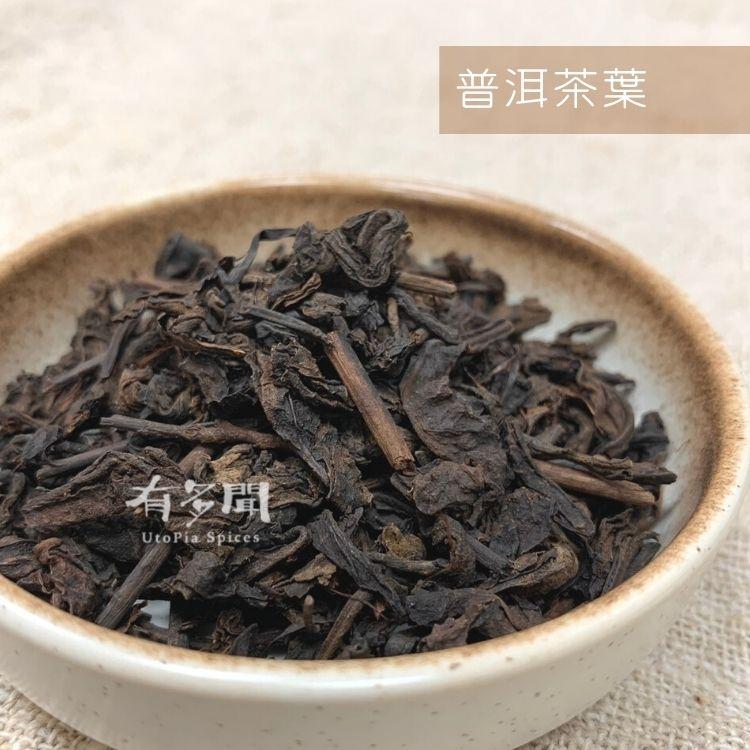
Pu’er Tea


Feature:
Type: There are two types: raw Pu’er and cooked Pu’er. The former requires aging and fermentation, while the latter has been artificially fermented.
Appearance: Usually pressed into cake, brick, tower or loose tea.
Color: The color of the tea soup changes depending on the year and degree of fermentation, and can range from golden to reddish brown to almost black.

smell:
Raw Pu’er: New tea has a strong bitterness and becomes sweeter and mellow as it ages.
Ripe Pu’er: Usually mellower, with an earthy or barky flavor and a rich mouthfeel.

odor:
Raw Pu’er: New tea has a herbal and woody aroma, which becomes richer after aging and may have floral and fruity aromas.
Ripe Pu’er: Has a special smell of ripe bark or earth.

Origin:
China

How to make tea:
Tea set: It is recommended to use a clay pot or porcelain pot.
Amount of tea: It is recommended to use about 5-8 grams of tea per 150 ml of water.
Water temperature: Use hot water close to the boiling point (about 95-100°C).
Wash the tea: First brew it with hot water for about 3-5 seconds, then pour out the tea soup.
Brewing time: about 20-30 seconds for the first brew, then increase by 10-15 seconds each time.
Brew tea multiple times: Pu’er tea can be brewed multiple times, usually at least 6-8 times.

**Pu’er tea is a very layered and varied tea, suitable for slow tasting and exploration. As it ages, its taste and smell change dramatically.