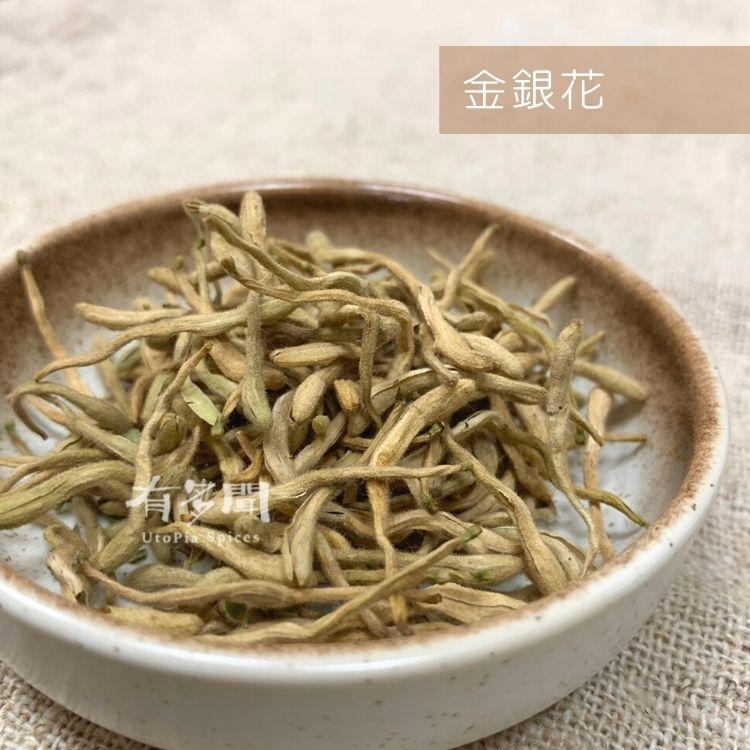
Honeysuckle


Feature:
Appearance: The flowers are golden yellow or white, shaped like small bells, and light in texture.

Taste and smell:
Taste: sweet, slightly bitter.
Smell: There is a certain aroma, fresh and pleasant.

Origin:
China

Cooking dishes:
Honeysuckle tea: is the most common use of honeysuckle. Dried honeysuckle can be brewed with hot water for drinking.
Candied honeysuckle: After candied honeysuckle, it can be used as a dessert or as a seasoning or decoration in other cooking dishes.
Incorporate into dishes: Although not common, honeysuckle is used in some dishes to enhance flavor or garnish.

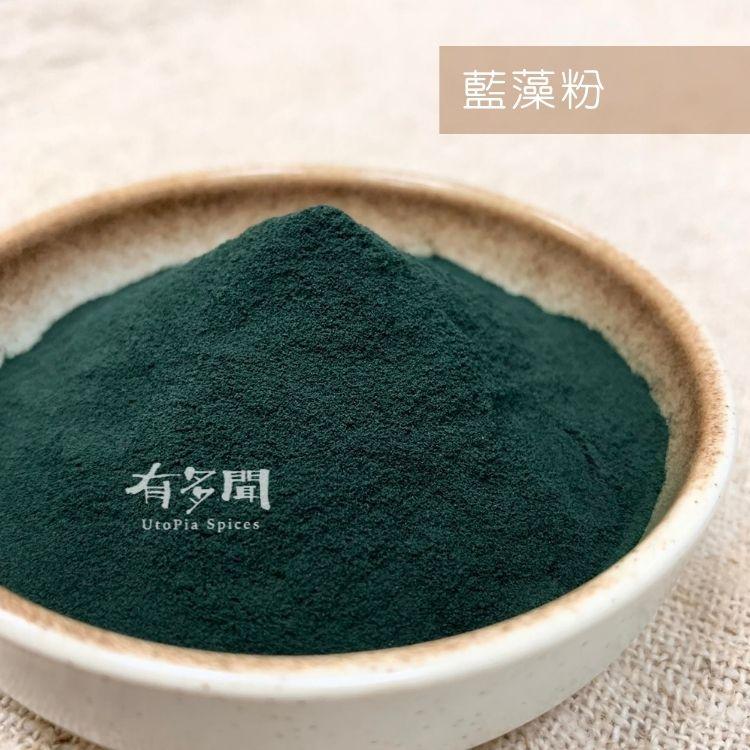
Spirulina Powder


Feature:
Color: Because of its unique blue-green color, cyanobacteria powder can be used as a natural pigment in food and beverages.

Taste and smell:
Taste: Slight fishy or marine flavor.
Smell: A scent with certain seaweed or marine qualities.

Origin:
China

Cooking dishes:
Beverages: Spirulina powder can be added to juices, smoothies, or other beverages.
Baking: Spirulina powder can be added to bread, cookies, or other baked goods.
Energy Bars or Snacks: Spirulina powder can be mixed with nuts, seeds, and dried fruits to make energy bars.
Pasta: Spirulina powder can be added to homemade noodles or dumpling dough.
Sauce or starch: Spirulina powder can be added to soups, sauces, or other dishes to provide color.

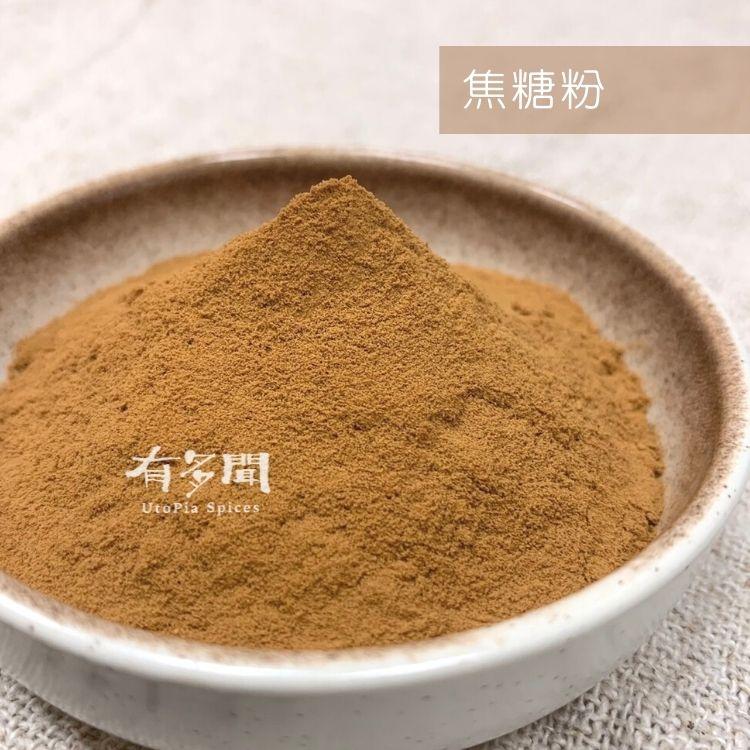
Caramel Powder


Caramel powder is made from caramelized sugar and is often used to provide sweetness, color, and specific flavors.

feature:
Color: Caramel pink usually has a dark brown to dark amber hue.
Solubility: It dissolves easily in water and can be used in various liquid foods.

Taste and smell:
Taste: Sweet, but also slightly bitter or toasty, depending on the degree of caramelization.
Odor: Caramel powder has a unique roasted or burnt smell.

Origin:
Taiwan

Cooking dishes:
Desserts: Caramel powder is often used to make pastries, cookies and other desserts to provide a special caramel flavor.
Drinks: Can be added to coffee, tea or hot chocolate for a sweet and dark flavor.
Sauces: Caramel powder can be used to make caramel sauce or other sweet sauces.
Decoration: Can be sprinkled on desserts as a garnish or to add color.
Cooking: Caramel powder can also be used to color foods such as stir-fries or stews.

**Overall, caramel powder has a wide range of uses in cooking and baking due to its unique color and flavor.

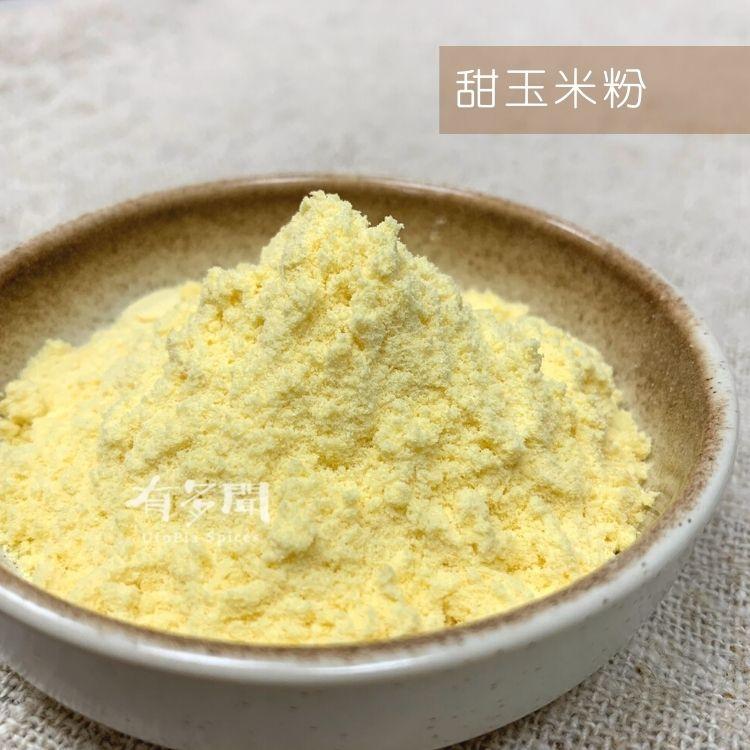
Sweet Corn Flour


Sweet corn meal, a fine powder made from ground sweet corn

feature:
Color: Usually light yellow.
Fineness: Its particle size is fine, similar to ordinary sugar powder or all-purpose flour.

Taste and smell:
Taste: Sweet corn flour has a natural sweetness due to the properties of sweet corn.
Odor: Has a slight corn aroma.

Origin:
Taiwan

Cooking dishes:
Pastries: Sweet corn flour can be used to make a variety of pastries, such as tortillas or corn muffins.
Crackers: Because of its unique flavor and texture, sweet corn flour can be made into corn crackers.
Soups and Stews: Use sweet corn meal to add texture and thickness to soups or stews.
Sauces and drizzles: Sweet corn flour can also be used to make a variety of sauces and drizzles, making them thicker.
Steamed food: Sweet corn flour can be used to make steamed cakes or cakes.

**Sweet corn flour is popular in cooking because of its unique flavor and versatility. However, the amount should be adjusted based on your specific cooking needs.

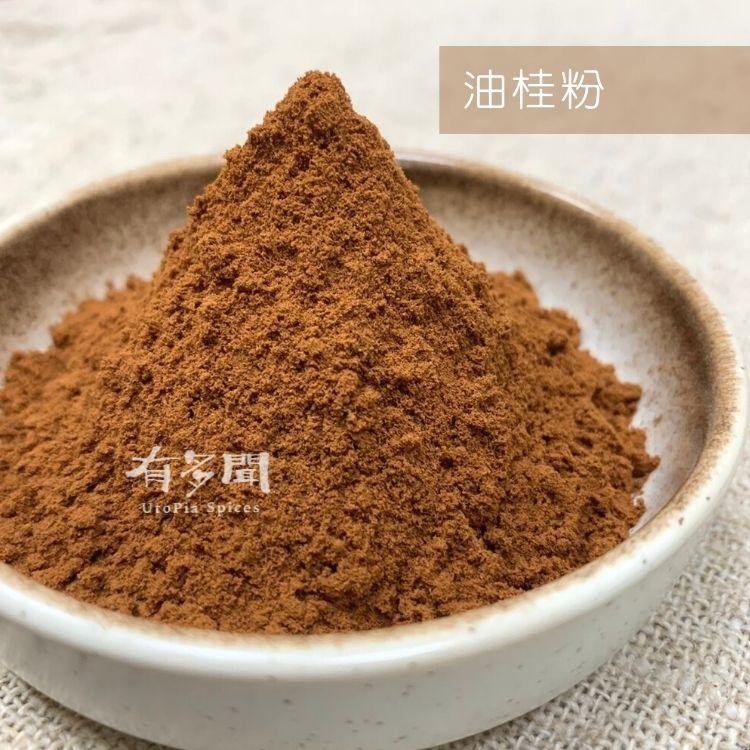
Oil Cinnamon Powder


Cinnamon powder is ground from the bark of the cinnamon tree.

feature:
Color: Usually dark brown.
Fineness: The texture is fine, just like ordinary spice powder.
Ingredients: cinnamon, oil Guanggui, spices.

Taste and smell:
Taste: Sweet and slightly spicy.
Smell: Rich and characteristic aroma, with woody and sweet notes.

Origin:
Vietnam

Cooking dishes:
Pastries: Cinnamon oil is often used in pastries such as cinnamon rolls, apple pie or other flans.
Hot drinks: For example, coffee or hot chocolate are often sprinkled with cinnamon to add flavor.
Stews and Curries: In the Middle East and India, cinnamon oil is commonly used in meat stews and curries.
Jams and jellies: Cinnamon powder can be added to jams and jellies to give them a richer flavor.
Breakfast foods: Cinnamon powder is often added to oatmeal or cereal to add flavor.
Desserts: For example, cinnamon powder can be used as a flavoring in puddings, ice cream or jelly.

**Cinnamon powder is popular in cooking everywhere because of its unique flavor and versatility. When used, only a small amount is usually needed due to its strong flavor.

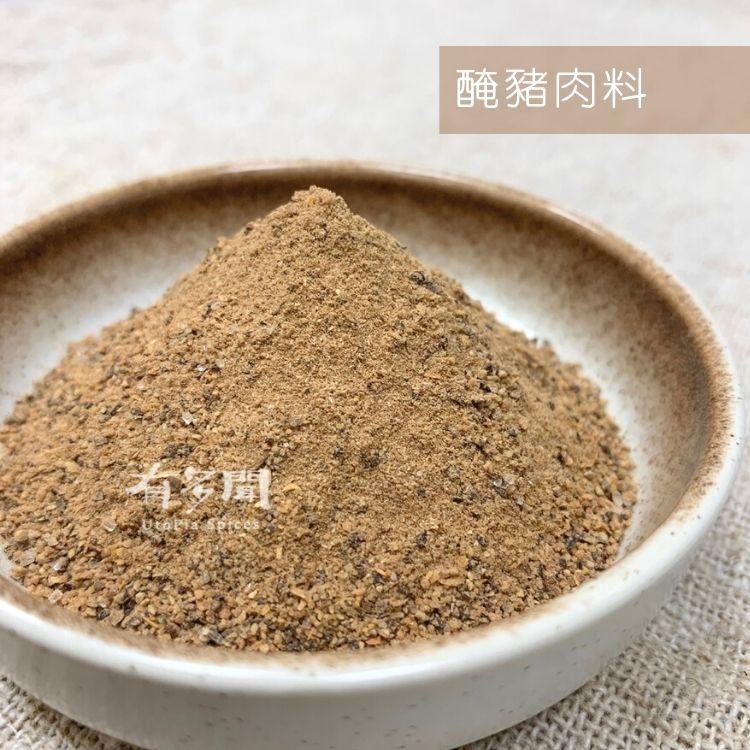
Pickled Pork Ingredients


Pork marinade refers to the spices and seasonings used to marinate pork, and the specific ingredients vary according to culture and region.

feature:
Ingredients: pepper, salt, monosodium glutamate, spices
Versatility: In addition to adding flavor, certain ingredients in marinades, such as salt or certain acidic ingredients, can help soften the meat and give it more chew and flavor.
Preservation effect: Salt and other spices can help preserve food and extend its shelf life.

Taste and smell:
Flavor: The flavor of marinated pork stock is usually salty, sweet, spicy, or spicy, depending on the specific recipe.
Odor: Has a mixed spice odor, which may include strong odors of soy sauce, garlic, ginger, and other spices.

Origin:
Taiwan

Method for marinating meat:
Mix 300g of marinated meat ingredients with 400cc of water and freshly crushed peeled garlic. Stir the washed 6 pounds of pork (3.6KG) thoroughly and put it in the refrigerator for 48 hours. You can take it out and mix it thoroughly. Once, to make the marinated meat more flavorful, refrigerate it for 48 hours, take it out and store it in the refrigerator.

Cooking dishes:
Grilling: Marinated pork is great for grilling, as it adds more flavor to the meat.
Stir-fry: Marinated pork can be quickly stir-fried and served with vegetables or noodles.
Stew: such as braised pork, pork trotters, etc.
Steaming: such as steamed meat patties, steamed meat rolls, etc.
Fried: such as bacon patties, fried meatballs, etc.

**Overall, marinating pork ingredients can provide rich flavor and make the pork more delicious. Proper marinating not only adds flavor, but also adds texture and mouthfeel to the meat. Different cooking methods can bring out the different flavors of the marinade.

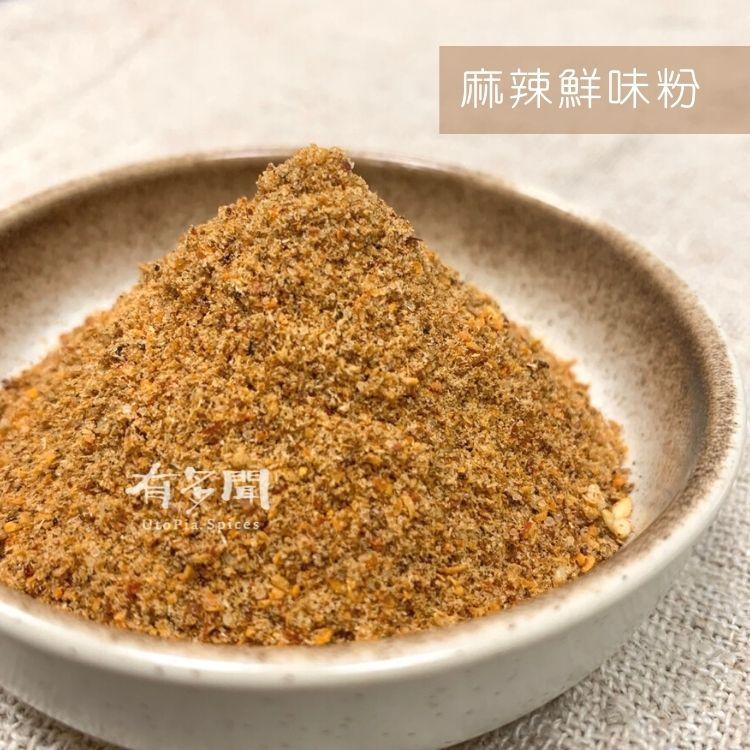
Spicy Umami Powder


Spicy umami powder is a Chinese seasoning mainly used to add spicy flavor to food

Feature:
Ingredients: salt, monosodium glutamate (sodium L-acid), rock sugar, onion powder, white pepper, chili pepper, Sichuan peppercorns, cinnamon, star anise, cloves, licorice, cardamom, sanye, dried ginger, cumin, cumin, beard, sand Kernels, peanuts, sesame seeds, garlic powder, green onions.
Convenience: The powder form is convenient to use and store, and is easy to mix with other ingredients.

Taste and smell:
Taste: As its name suggests, spicy umami powder has a distinct spicy flavor with a certain salty and umami flavor.
Smell: Strong chili and peppercorn aroma, with hints of spices.

Origin:
Taiwan

Cooking dishes:
Hot pot: Add to hot pot base to add spicy flavor.
Stir-fried vegetables: When stir-frying meat or vegetables, you can sprinkle some spicy umami powder to increase the flavor.
Noodles: Spicy umami powder can be added to noodles such as spicy noodles and dandan noodles.
Barbecue: Sprinkle on meat as a seasoning.
Filling of dumplings and steamed buns: mixed with minced meat and vegetables as filling.

**When using spicy umami powder, you need to adjust the dosage according to your personal taste to avoid being too spicy. In addition, although it provides a convenient seasoning method, it is recommended to combine it with other fresh seasonings, such as vegetables, garlic, etc., to obtain a richer flavor.

Pure Ginger Powder


Feature:
Pure ginger powder is made from fresh ginger that has been dried and ground.
The color is light yellow and the texture is fine.
No other additives or fragrances.

Taste and smell:
Has a strong ginger flavor with spicy and slightly sweet flavors.
The smell is strong, with a prominent ginger aroma.

Origin:
Taiwan

Cooking dishes:
Commonly used in a variety of curries, soups, stews and stir-fries.
It is also often used in baking, such as gingerbread, ginger cake, etc.
Can be used to make drinks such as ginger tea and ginger juice.
Can be used as a quick substitute for fresh ginger.

Applicable dishes:
Ginger soup, roasted seabass with dried ginger, longan, red dates and ginger tea

**Pure ginger powder is a very convenient and versatile ingredient, especially when fresh ginger is not easily available or stored. It is widely used in a variety of cooking and is an integral part of many cultures and traditional cuisines.

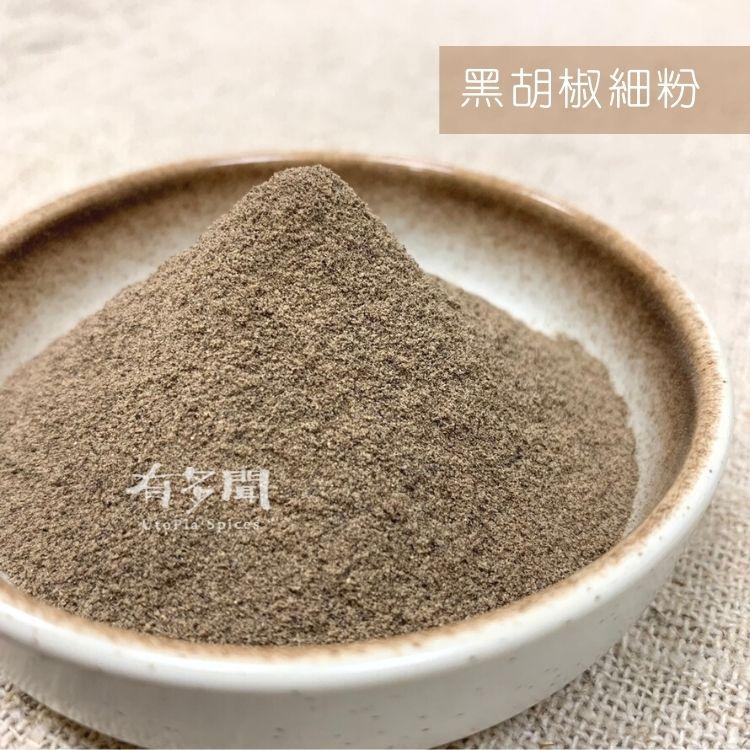
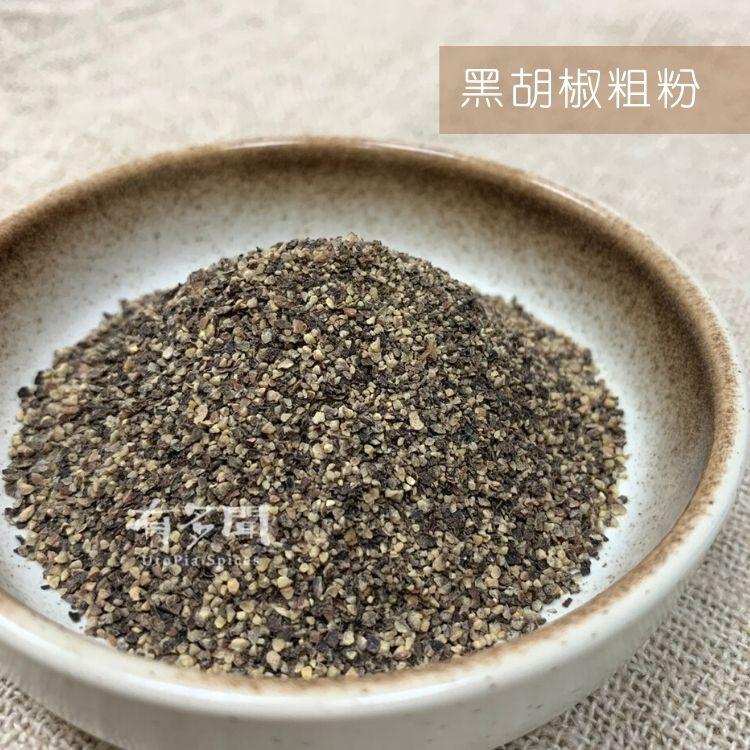
Black Pepper Powder


Feature:
Black pepper powder is ground from the dried fruits of black peppercorns.
It is one of the most commonly used spices in the world.
The color is gray-black and the texture is fine.

Taste and smell:
The flavor is spicy, slightly bitter, with subtle woody and floral notes.
The smell is strong and sharp, with a warm and spicy aroma.

Origin:
Malaysia

Cooking dishes:
Black pepper is used in a variety of dishes, from simple scrambled eggs to complex curries and stews.
It is an important ingredient in most meat and seafood preparations.
Often mixed with other spices to make various seasoning powders and marinades.
In Western cuisine, it is often used to flavor soups, stews, and stews.

Applicable dishes:
Black pepper beef tenderloin, black pepper steak sauce, pepper cake, grilled shrimp, Hakka salted pork, pepper conch, American BBQ, hamburger steak, Teppanyaki, puff pastry soup

**Black pepper is a very versatile spice that can be used in almost any kind of cooking. Not only does it enhance the flavor of food, it also provides a subtle spiciness that makes dishes more intriguing. Therefore, black pepper is an essential item in kitchens across the globe.

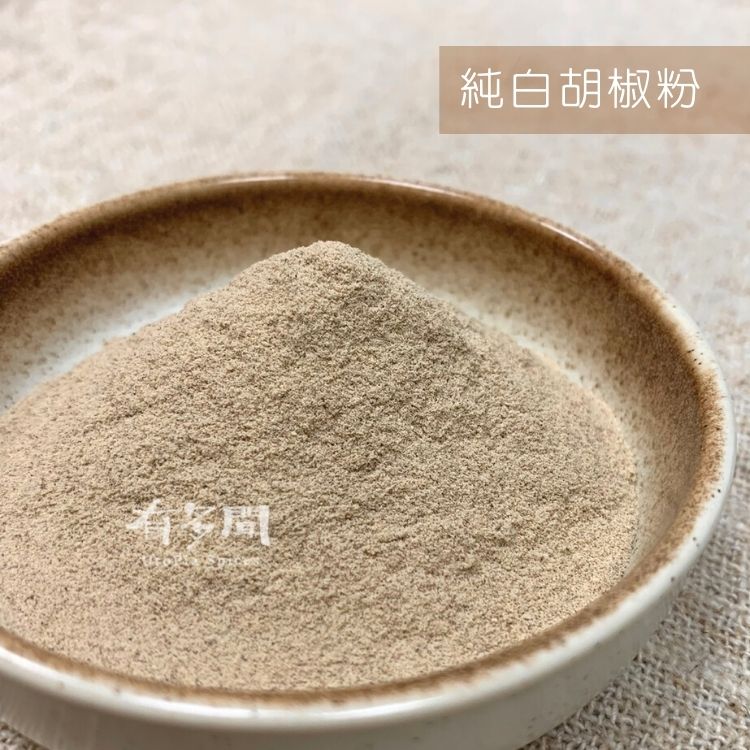
White Pepper Powder


White peppercorns are made from ground white peppercorns. White pepper and black pepper come from the same plant, but white pepper is produced through different processes.

Feature:
Appearance: Fine white powder.
Production process: Remove the pepper fruit, remove the outer peel, and then ferment and dry. Finally, the dried white peppercorns are ground into powder.

Smell:
White pepper has a milder flavor than black pepper, but still has a spicy kick.
Due to the peeling, white pepper lacks some of the fruity and piney flavor of black pepper.

Origin:
Indonesia. Pepper is native to southern India and Sri Lanka, but is now grown in tropical regions around the world.
Major producing countries include India, Indonesia, Malaysia, Vietnam and Brazil.

Cooking dishes:
Light dishes: Because the color of white pepper is relatively subtle, it is often used in dishes where you want to keep the color light, such as white sauces, fish soups, or cream stews.
Asian Cuisine: In many Asian dishes, especially Chinese and Thai dishes, white pepper is one of the main seasonings.
Seafood: White pepper is often used to season fish and other seafood because its flavor is subtle and does not overpower the natural flavors of the ingredients.
Pickles and Sauces: White pepper is also commonly used in a variety of pickles and sauces.

Applicable dishes:
Four God Soup, Pepper Pork Belly Soup, Radish Pork Ribs Soup, Peeled Chili Chicken Soup, White Pepper Milk Sauce, Yuzu Pepper Sauce Salad, Creamy White Pepper Crab, Fried Rice Noodles, Salty Porridge, Fried Chicken, Assorted Fried Rice, Grilled Fish Chin

**When using white pepper, it is recommended to add it as late in the cooking process as possible to retain its best flavor. Avoid prolonged cooking as this may cause it to lose its flavour. Additionally, white pepper should also be stored in a cool, dry place away from light and moisture.