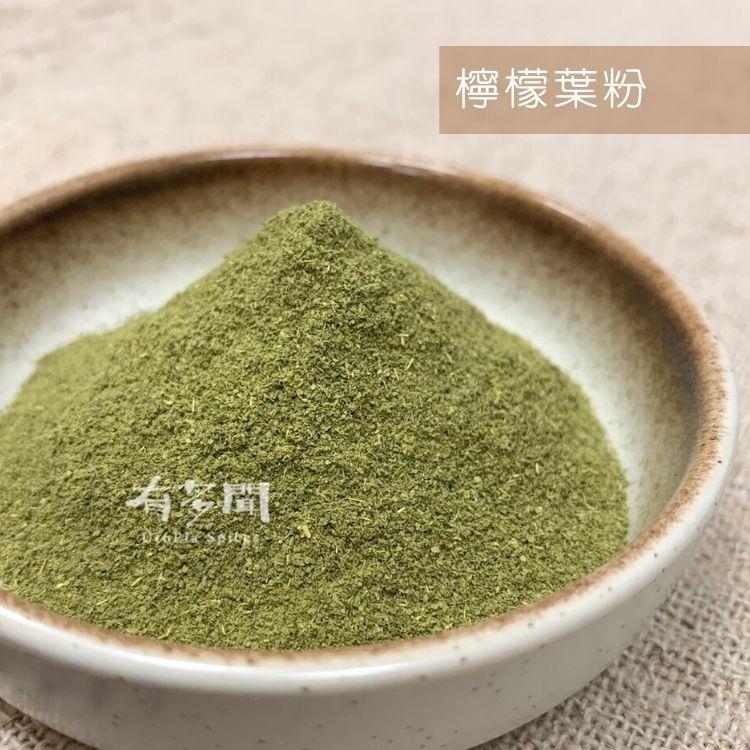
Lemon Leave Powder


Feature:
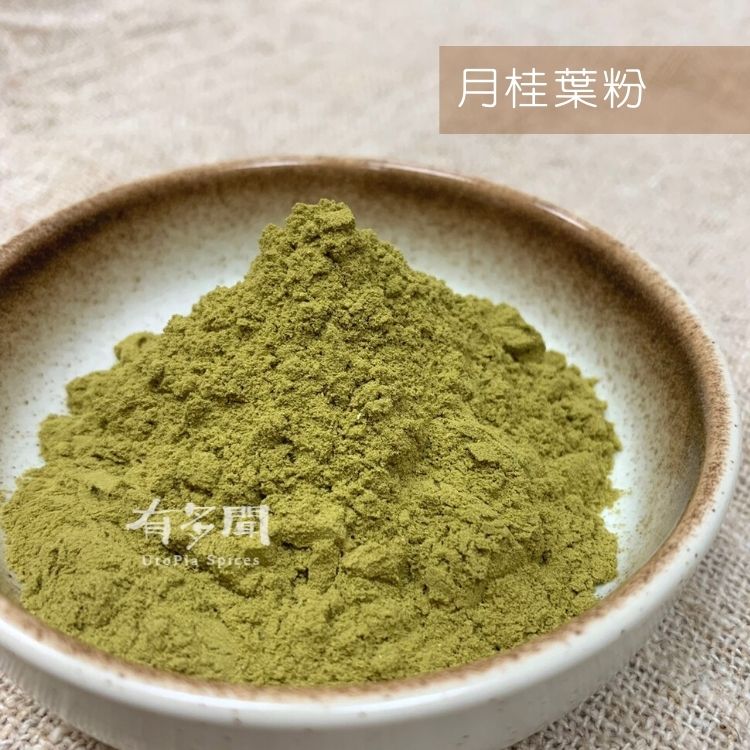
Lemon leaf powder is made from fresh lemon leaves that have been dried and ground.
The color is light green to dark green and the texture is fine.
It is easy to store and use and has a relatively long life.

Taste and smell:
Has a light lemon and citrus aroma, although not as strong as fresh lemon leaves.
The taste is also more citrus and lemon, but milder.

Origin:
Thailand

Cooking dishes:
Can be used in a variety of curries, soups and stir-fries, especially those from Thailand and Southeast Asia.
Because it is in powder form, it is easy to mix with other ingredients and is suitable for stir-fried or fried recipes.
It can also be used to make spice mixes or marinades, such as to add extra flavor to poultry or fish.

Applicable dishes:
Lemon fish, Thai fried pork, lime fish cakes, stir-fried chicken, grilled fish, tomato salad, pumpkin soup, toast, lemon leaf hot tea

**Lemon leaf powder is useful in various cooking situations due to its convenience and good shelf life. However, it is worth noting that due to its relatively mild flavor, a relatively larger amount may be needed to achieve a similar effect to fresh lemon leaves.
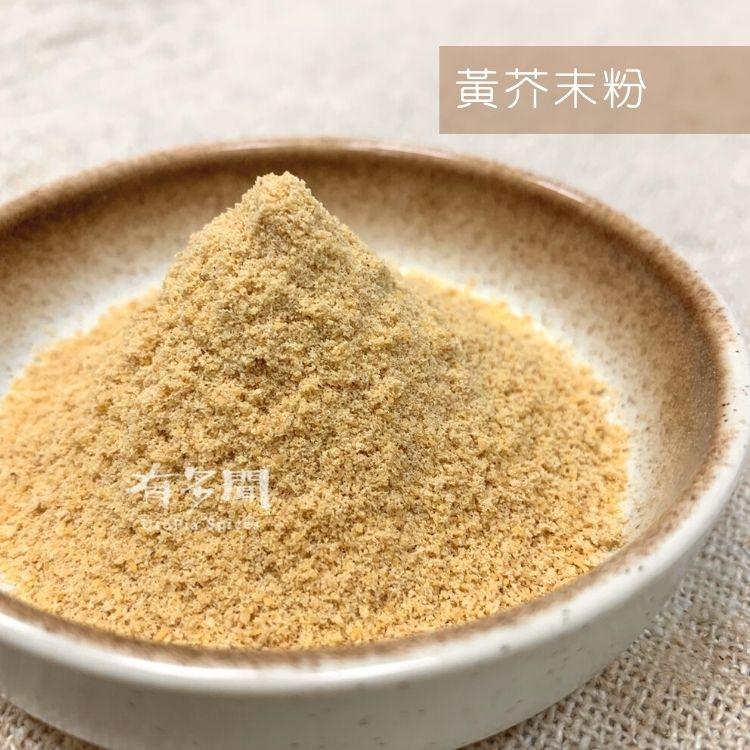
Yellow Mustard Powder


Feature:
Yellow mustard powder is a powder made from yellow mustard seeds.
The color is usually light yellow and the texture is fine.
Since it is dried and ground, its spicy ingredients are more concentrated.

Taste and smell:
The taste itself is mild, but once mixed with liquid (such as water, vinegar), it will produce a strong spicy taste and sharp smell.
This spiciness usually diminishes after a period of exposure to air.

Origin:
Taiwan

Cooking dishes:
Often used to make homemade mustard, barbecue sauce or salad dressing.
It is also used in Asian cuisine (particularly Indian cuisine), often in curries and stews.
It can also be used in seafood dishes, especially when making fish sauces.
Yellow mustard powder can also be used to make pickles, such as pickles or capers.

Applicable dishes:
Suitable for burgers, hot dogs, sandwiches, German sausages, salads, white wine chicken, mustard grilled salmon, cured meat dishes, French mustard cream chicken, pan-fried carrots

**Yellow mustard powder is a very versatile condiment suitable for a variety of cooking applications. Because its spicy component changes with liquid and time, it adds a unique and versatile flavor to dishes.

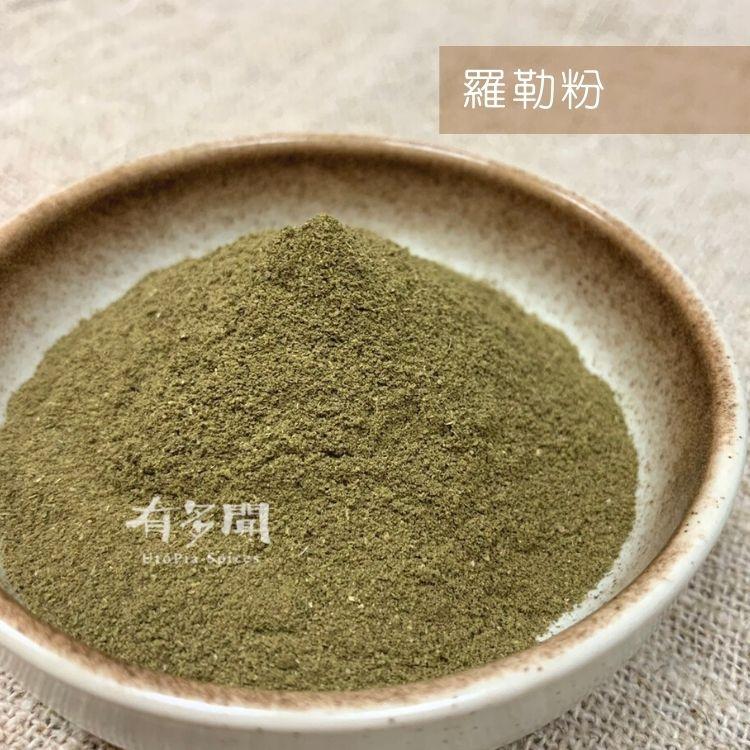
Sweet Basil Powder


Feature:
Sweet basil powder is ground from dried sweet basil leaves, usually in its dark green and easy-to-store form.
This is a very convenient seasoning, especially when fresh sweet basil leaves are not readily available.

Taste and smell:
Sweet basil powder maintains the essential qualities of sweet basil, but its taste and smell may be diluted due to the drying and grinding process.
The flavor is slightly sweet and a little spicy, while the smell is milder but still has the distinct aroma of sweet basil.

Origin:
Egypt

Cooking dishes:
Sweet basil powder is often used in Italian dishes such as pasta and pizza, especially when fresh basil is not readily available.
It can also be used in stews, soups and salads, or as a seasoning for chicken and fish.
Although dried basil is not as strong as fresh, it has the advantage of being more durable and easier to store.

Applicable dishes:
Pasta with pesto sauce, pizza Margherita, Thai fried pork, stir-fried chicken, steak, tomato salad, pumpkin soup, toast

**Sweet basil powder is a convenient and versatile seasoning suitable for a variety of dishes. Due to its dry and powdered state, it is particularly suitable for long-term storage and transportation, allowing those who do not have easy access to fresh basil to enjoy the delicious taste of this herb. However, when possible, fresh sweet basil leaves usually provide a more intense and lively flavor.

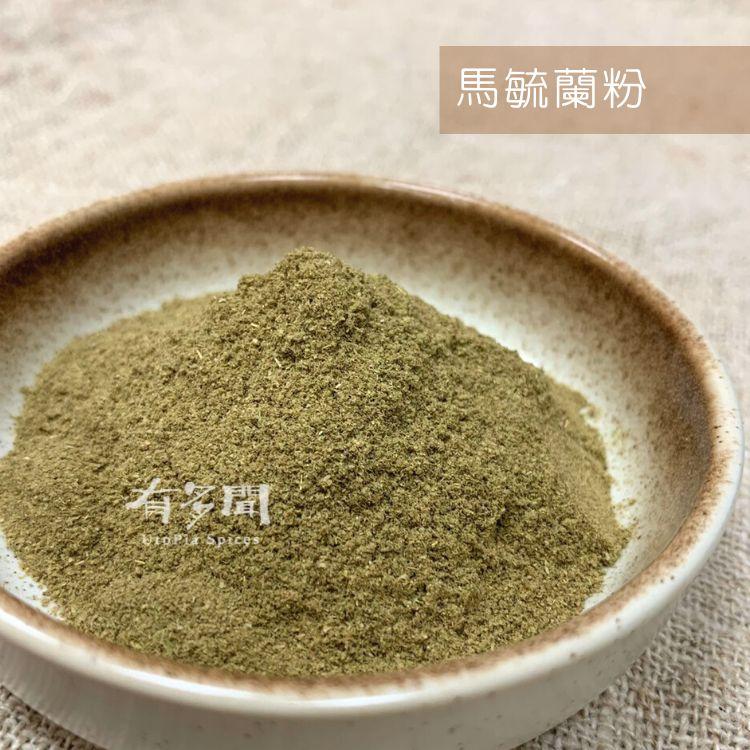
Marjoram Powder


Feature:
Ma Yulan powder is made by crushing dried Ma Yulan leaves.
The powdered form makes storage more convenient, but the flavor is usually slightly less intense than the fresh leaves.
It is also suitable for a variety of culinary and medicinal purposes, although dosage may need to be adjusted.

Taste and smell:
The flavor is relatively mild, with a hint of sweetness and citrus.
The aroma of the powdered form is less intense compared to fresh ma’ullan.

Origin:
Egypt

Cooking dishes:
Since it is dried and pulverized, it is particularly suitable for stews, roasts, soups and sauces.
Add it early in the cooking process to release its flavors.
Also great for homemade spice blends, such as Italian Spice Blend or Middle Eastern Za’atar.

Applicable dishes:
Pan-fried lamb chops, omelette, assorted stews, tomato and beans stew, pizza, seafood, German sausages, lettuce salad

**Ma Yulan powder is a convenient and versatile option, especially when fresh ma Yulan powder is difficult to obtain or preserve. Because of its milder flavor, it can be easily combined with other spices and seasonings. When using, pay attention to the ratio with fresh leaves for the best flavor balance.

Bay Leave Powder


Bay leaf powder is made by grinding dried bay leaves.

Feature:
Color: dark green to brownish green.
Texture: Fine powder texture.

Taste and Smell:
Taste: Slightly bitter, slightly sweet.
Smell: Woody, slightly spicy aroma, slightly like the smell of pine.

Origin:
Türkiye. Bay leaves are native to the Mediterranean region, but are now cultivated in several places with mild climates, including Asia, Europe, and the Americas.

Cooking dishes:
Soups and Stews: Bay leaf powder is often added to soups, stews, or sauces to provide a deep flavor.
Spice Blends: It can be mixed with other spices to create a variety of spice blends.
Pickling: Bay leaf powder can also be used to pickle foods, especially fish and meat.
Meat dishes: It is often used to cook lamb, beef or chicken to provide aroma.
Vegetable dishes: Bay leaf powder can also be added to vegetable woks or vegetable stews.

Applicable dishes:
Beef stew in red wine, German pig’s feet, Provence stew, bouillabaisse, borscht, pate, pickled vegetables

**Although bay leaf powder has all the flavor of bay leaf, due to its powdered state, it is more easily dispersed in dishes than whole bay leaves, so use it with special care to avoid over-flavoring.

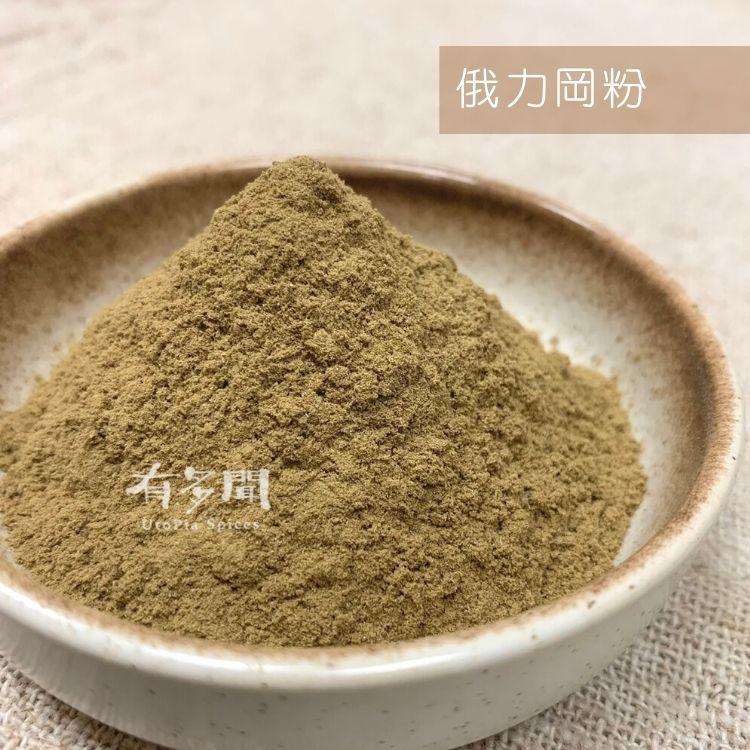
Oregano Powder


Feature:
Oregano powder is a powder made from dried oregano leaves. Because it is in powder form, it distributes and mixes well and is often used in various dishes.

Taste and Smell:
Oregano powder retains the characteristic aroma of oregano leaves, with a slight bitterness, spiciness and a little sweetness.
Its smell and taste are relatively strong and have a Mediterranean flavor profile.

Origin:
Türkiye

Cooking dishes:
Pizza and Pasta: Oregano powder is often sprinkled on pizza or mixed into various pasta sauces to add a distinctive flavor.
Meat and Seafood: It can also be used to cook meat and seafood, especially when making Mediterranean-style dishes.
Soups and Stews: Oregano powder can also be added to a variety of soups and stews to enhance the aroma.
Sauces and Condiments: Because of its powder form, oregano powder is particularly suitable for use in sauces or mixed into other condiments.

Applicable dishes:
Pizza, Shrimp Sautéed with Oregano Mushrooms, Herb Roast Lamb, Bolognese Sauce, Chipotle Bean Sauce, Beef Stew, BBQ

**Due to the strong flavor of oregano powder, care should be taken when cooking to avoid overdosing it.

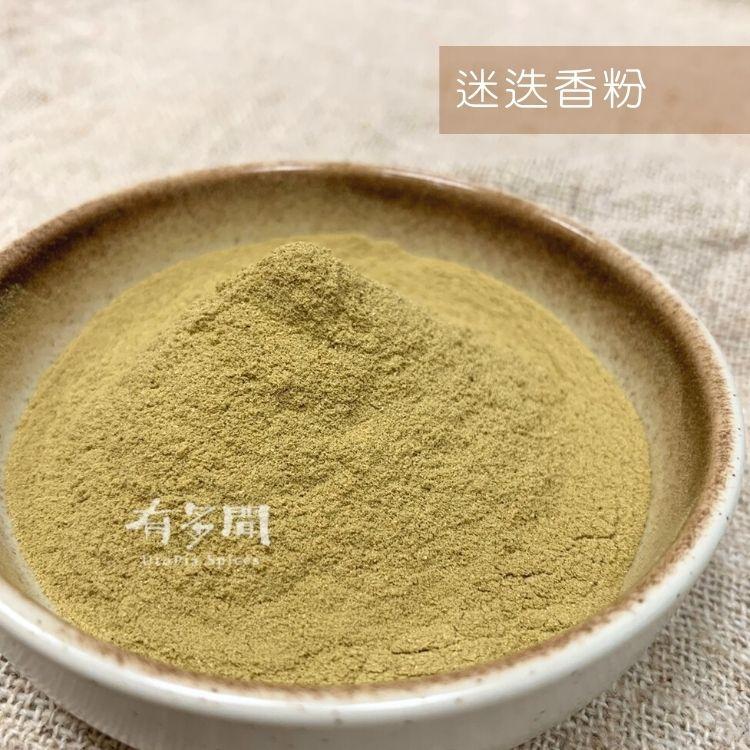
Rosemary Powder


Feature:
Rosemary powder is a powder made from dried rosemary leaves.
Usually keeps longer than fresh rosemary leaves, but may lose some of its original flavor and aroma.

Taste and smell:
The flavor is usually more concentrated than fresh rosemary, so smaller portions are needed when using it.
The aroma is still woody and pine, with hints of citrus and resinous notes.

Origin:
Morocco

Cooking dishes:
Rosemary powder is suitable for a variety of meat and seafood dishes, especially barbecues and stews.
Because of its powdered form, it’s easier to mix with other ingredients, such as sauces or crusts.
Can be used as an ingredient in pasta, sauces and cooking oils.
It can also be used to flavor soups and stews.

Applicable dishes:
Pan-fried rosemary chicken legs, rosemary beef skewers with chocolate sauce, steak, Italian cuisine, pan-fried salmon, grilled lamb short ribs, fried potatoes, stew, served with cheese

**Rosemary powder is widely popular for its convenience and long-lasting properties, especially where long-term storage or transportation is required. However, due to its strong flavor, it is recommended to use it with caution when cooking to avoid overpowering the flavors of other ingredients.

Sage Leave Powder


Feature:
Sage meal is ground into a powder form from sage leaves.
It maintains most of its natural flavor and aroma, but is easier to store and use.

Taste and smell:
Ground sage has a similar flavor to whole sage, but may be more concentrated.
The taste includes spicy, bitter, and slightly lemony notes, while the smell is resinous and lemony.

Origin:
Türkiye

Cooking dishes:
Sage powder is often used in a variety of meat and soy dishes because of its ease of use and preservation.
It can be used to make marinades, meat marinades, or seasonings for barbecued meats.
Due to its strong flavor, caution is required when using it.
It can also be used to add richness to vegetarian dishes.

Applicable dishes:
Lemon honey grilled chicken wings, barbecued meat, pan-fried fish fillet with pineapple and sage, creamy sage zucchini noodles, pumpkin soup, stewed vegetables, sage bread

**Powdered sage is a convenient and versatile spice option. Due to its strong flavor, it is recommended to use it with other spices or herbs to create a richer flavor.

Parsley Powder


Feature:
Coriander powder is made from dried coriander leaves and ground into powder. It has a concentrated coriander flavor and is dark green in color.

Taste and Smell:
Cilantro powder has a concentrated herbal flavor, but compared to fresh cilantro, its flavor is slightly watered down and it lacks the crunch of fresh cilantro.
The smell is lighter, but still retains a specific grassy aroma.

Origin:
Poland

Cooking dishes:
Soups and stews: Since coriander powder can be cooked for a long time without losing color, it is suitable for use in soups or stews.
Bread and Crackers: Can be added to bread or crackers to add color and flavor.
Seasoning mixes: often included in various spice mixes, such as Italian seasoning powder.
Meat and fish fillings: add color and flavor.

Applicable dishes:
French cuisine, herb cream, potato salad, barbecue chicken, omelets, salad dressings, stews, vegetable purees, stews

**When using coriander powder, it is recommended to add it gradually according to the recipe or taste. It can be used as a substitute for fresh coriander, but it should be noted that there is a difference in flavor between fresh coriander and coriander powder.

Dill Powder


Feature:
Dill powder is ground from dried dill seeds.
The powdered form makes it easier to mix with other ingredients.
Usually light yellow in color.

Taste and smell:
Dill powder retains the basic flavor of dill, with citrus and herbal aromas.
Since it is ground, the flavor will be more concentrated than whole dill seeds.

Origin:
India

Cooking dishes:
Dill powder is commonly used to flavor sauces, soups, and stews.
It can also be used as a cooking seasoning for meat and fish.
In some Middle Eastern and Indian cuisines, dill powder is used to flavor curries and baked goods.
Because its flavor is relatively concentrated, it is recommended to use a small amount at first and increase as needed.

Applicable dishes:
Pickles, Indian Bean Chowder, French Dressing, Vinaigrette Herring, Yogurt Dill Cucumber Sauce, Roasted Vegetable Collection, Honey Mustard, Creamy Braised Chicken, Curry

**Dill powder is a convenient form for those who want to add dill flavor to their dishes quickly and easily. It is a versatile spice suitable for a variety of different cooking applications. However, due to its concentrated flavor and aroma, caution is recommended when using it.