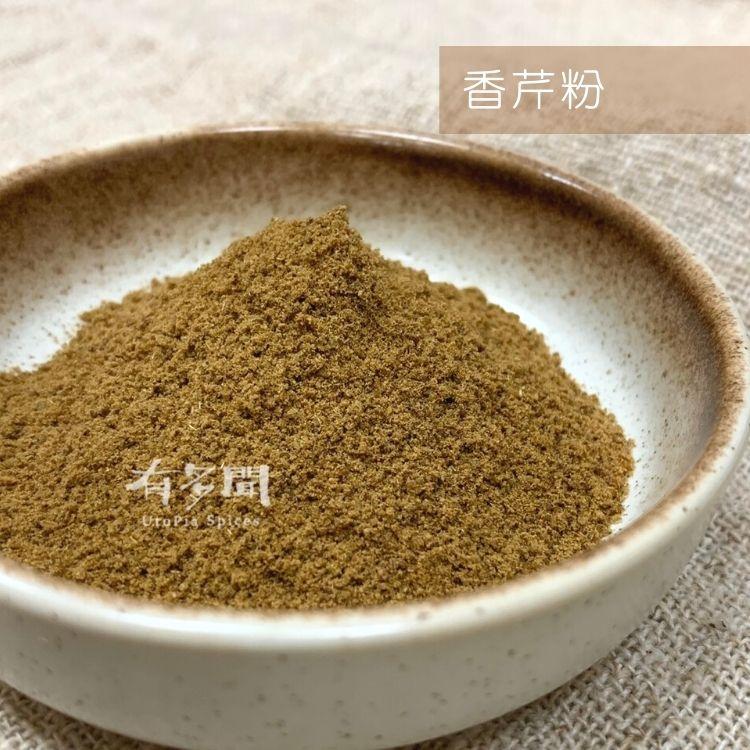
Celery Powder


Feature:
Parsley powder is made from ground parsley seeds or leaves. It retains the flavor of parsley but in a more nuanced form.

Taste and Smell:
Taste: Distinctive parsley character with a slight spiciness.
Smell: fresh parsley smell, somewhat similar to coriander, but with a unique light spicy flavor.

Origin:
India

Cooking dishes:
Soups and Stews: Adds more flavor, especially if you want to increase the flavor of parsley but don’t want to use fresh parsley leaves.
Sauces and Dressings: Use as part of a sauce or in a homemade dressing mix.
Pastas and gratins: adds aroma and flavor.
Stir-fry: Add some special flavor to dishes.

Applicable dishes:
White-cut chicken, French pickles, consommé, pickled vegetables, carrot salad, tomato gazpacho, goulash, meat stew, seafood, herb bread

**Parsley powder is a very versatile seasoning that can be used in everyday cooking. When using it, it is recommended to start with a small amount because of its strong fragrance.
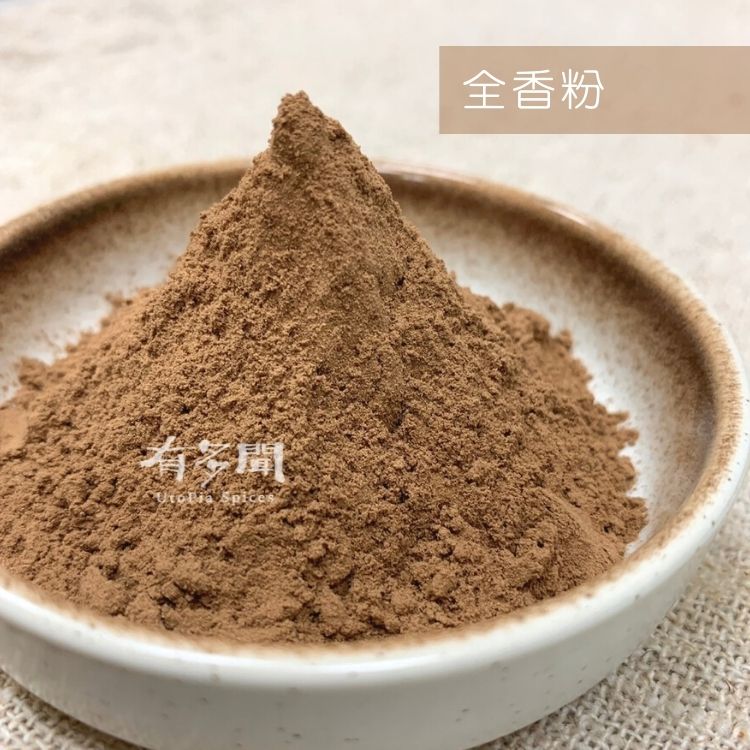
Allspice Whole Powder


Jamaican pepper is actually a spice, also known as (quanxiangzi), which is different from ordinary pepper.

Feature:
Appearance: Usually dark brown fine powder.

Taste and Smell:
Whole spice powder has a unique taste and aroma that combines flavors of cinnamon, cardamom and cloves. Therefore, it is sometimes misunderstood as being a blend of these three spices, but is actually obtained from a single plant.
It has a warm, sweet and slightly spicy flavor.

Origin:
Mexico

Cooking dishes:
Baking: Whole spice powder is often used in baking, such as cookies, cakes and breads, for its warm spice flavor.
Curries and Stews: This spice is also commonly used in traditional Caribbean cuisine, especially meat stews.
Marinating: Whole spice powder is often used to marinate meat and fish.
Seasoning: It can be used in a variety of dishes, from soups to sauces, to add rich aroma and flavor to food.

Applicable dishes:
Sauces, pickled vegetables, beetroot, burdock, daikon, seafood, ground meat dishes, pumpkin pie, desserts (milk), cakes

**When using whole-flavor powder, due to its relatively strong taste, it is recommended to use it in moderation and adjust it according to the recipe or personal taste.

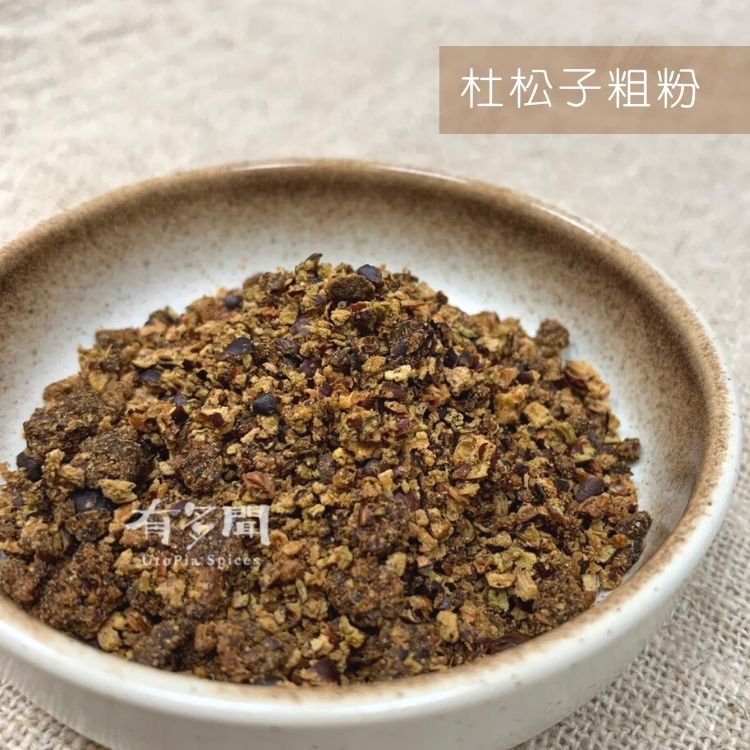
Juniper Berries Powder


Feature:
Juniper berry powder is a powder obtained by grinding juniper berries, which retains the main properties of juniper berries but becomes very fine in texture. Color is usually dark brown to dark gray.

Taste and Smell:
The flavor of juniper berry powder is pine, slightly sweet, slightly bitter, and has a hint of citrus.
The scent is strong piney with a light fruity aroma.

Origin:
macedonia

Cooking dishes:
Condiments: Due to its powdered state, juniper berry powder can be used directly to season meats or sauces, providing a special piney flavor.
Marinating: Can be used to marinate fish or meat, especially when even distribution of juniper flavor is desired.
Breads and Desserts: Can be added to breads, cookies or other baked goods to add a unique flavor.
Soups and Stews: Juniper berry powder can be used as a flavoring in soups or stews, especially when cooking game.
Drinks: A small amount of juniper berry powder may be added to some specialty cocktails or drinks to enhance the flavor.

Applicable dishes:
Oven-roasted French spring chicken, oil and vinegar beef slices, red wine Dongpo pork, German pork knuckles, salmon, grilled lamb chops, traditional German sauerkraut

**Due to the strong flavor of juniper berry powder, it is recommended to use it with caution to avoid overpowering the flavor of the dish. Similar to juniper berries, be sure to pair them well with other ingredients when using them.

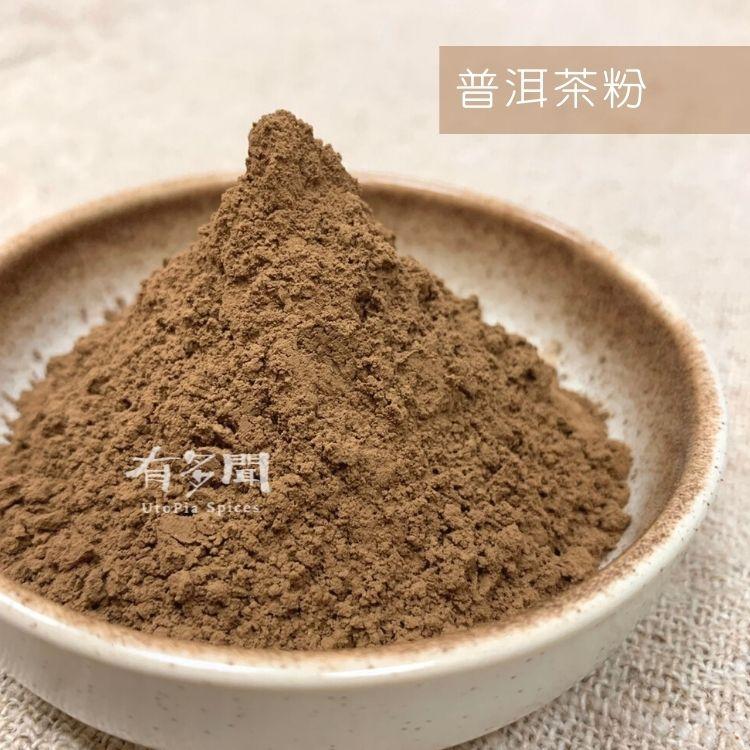
Pu’er Tea Powder


Feature:
Type: Pu’er tea is a fermented tea, which is divided into raw Pu’er and cooked Pu’er. After careful grinding, what is obtained is Pu’er tea powder.
Production process: Pu’er tea undergoes a series of picking, withering, rolling, fermentation and aging, and then grinding.
Appearance: Dark brown to black powder.

Smell:
Taste: rich in layers, with a certain earthy and woody taste.
Taste: Distinctive fermentation flavor, slight bitterness and sweetness.

Odor:
Distinctive earthy and woody aroma, sometimes with hints of leaves or herbs.

Origin:
China

Cooking dishes:
Baking and Desserts: Ideal for combining with chocolate or other rich-flavored ingredients to make cakes, cookies or puddings.
Soups: Suitable for some traditional Chinese stews to add layers of flavor.
Stir-fries or stews: Use as a seasoning in stir-fries or stews, providing subtle flavor and aroma.

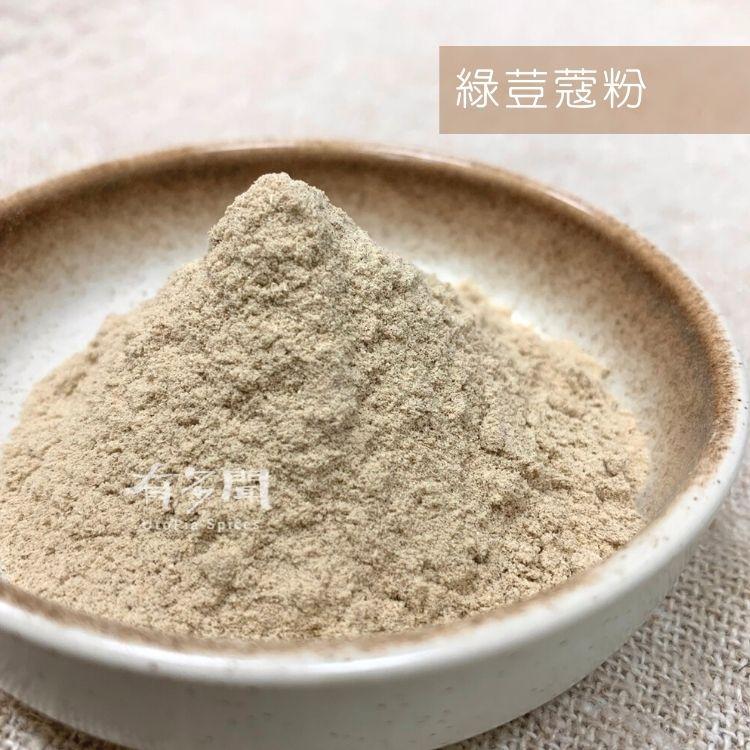
Green Cardamom Powder


Feature:
Green cardamom powder is a product obtained by grinding green cardamom seeds and is usually used for convenient and quick cooking.
The powdered form makes green cardamom easier to mix with other ingredients and suitable for a variety of cooking applications.

Taste and smell:
The flavor is quite close to that of whole green cardamom, with a citrusy, fragrant, sweet and slightly spicy flavor.
The powdered form may be slightly less scented than the whole form, but still retains its unique fragrance and light citrus aroma.

Origin:
Guatemala

Cooking dishes:
Green cardamom powder is widely used in Indian, Middle Eastern and Asian cuisine, especially curries, desserts and drinks.
It is a common ingredient in making chai.
In Western cuisine, it can also be used in baking, desserts, stews, etc.
Because it is in powder form, it is ideal for use in soups or sauces and quickly dissolves into liquids.

Applicable dishes:
Indian traditional milk tea, European spiced red wine, Indonesian Guawa chicken curry, Middle Eastern style chicken stew, American meatloaf, pickled vegetables, green cardamom turmeric chicken leg rice, apricot almond cake, pudding, jam

**Green Cardamom Powder is a very versatile spice that is not only suitable for a variety of culinary applications but is also an integral ingredient in many traditional and modern dishes. Because of its convenience and versatility, it has gradually become popular among chefs and home cooking enthusiasts.

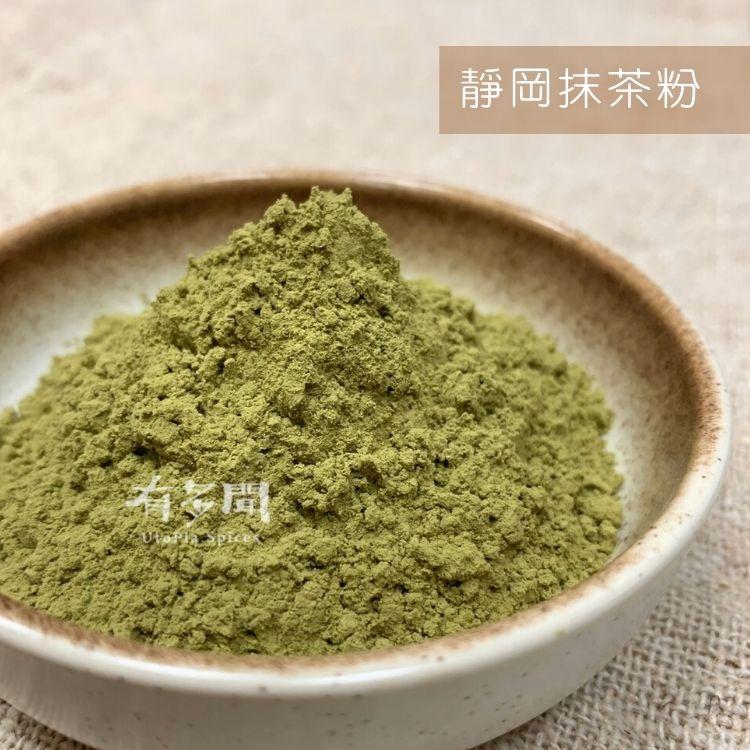
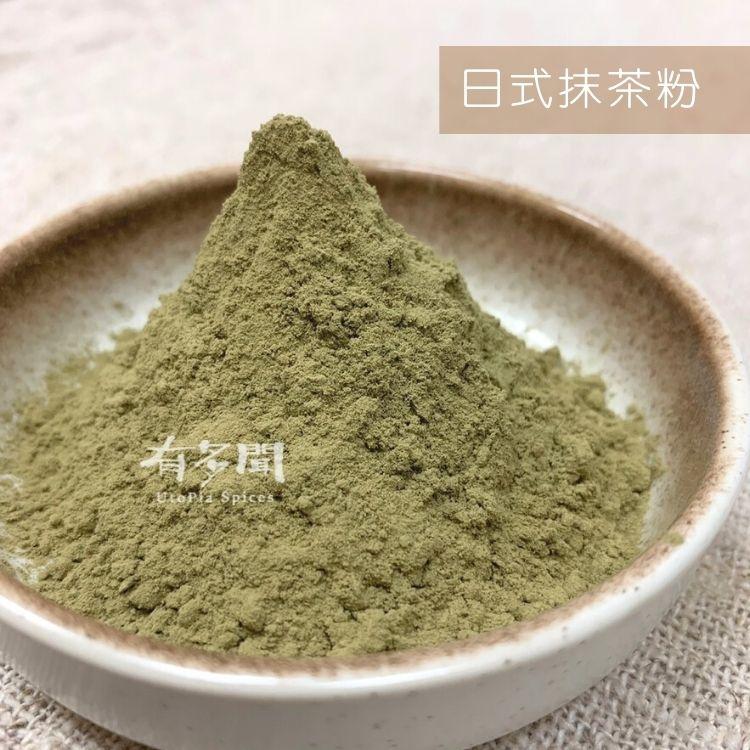
Japan Shizuoka Matcha Powder


Feature:
Type: Matcha is a kind of green tea powder obtained through a special process.
Production process: Tea trees are shaded several weeks before harvesting to increase the amino acid content and improve the quality of the tea. It is then steamed, dried and ground into powder.
Appearance: Emerald green fine powder.

Taste and smell:
Taste: Smooth, fine, with unique richness.
Taste: A balance of sweet and slightly bitter, with a slight astringency.
Fresh herbal scent with a hint of sweetness and vegetables.

Origin:
Shizuoka Prefecture, Japan, an area famous for its high-quality tea.

Cooking dishes:
Tea drinks: can be used to make matcha latte, matcha smoothie, etc.
Desserts: Commonly used in various Japanese and Western desserts, such as matcha cake, matcha ice cream, matcha pudding, etc.
Baking: Can be used for baking bread, biscuits, and cup cakes.
Stir-fries or soups: Can also be used as an innovative seasoning to add to stir-fries or soups.

**Shizuoka matcha powder is not only popular in Japan, but is also gaining attention around the world. Shizuoka Matcha occupies a place among Matcha teas due to its excellent quality and unique flavor.

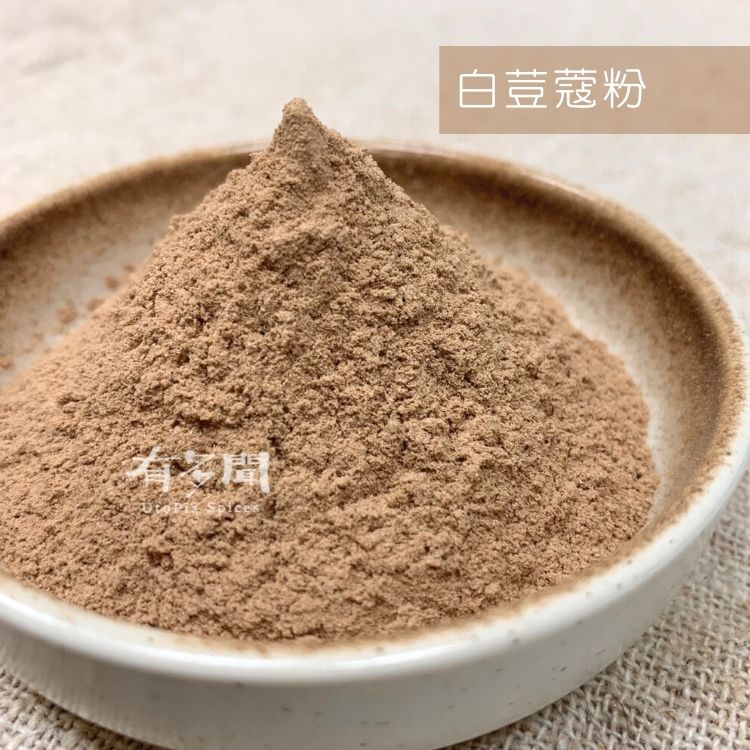
White Cardamom Powder


Feature:
Appearance: White cardamom powder is a light brown to light yellow fine powder.
Texture: Fine and blends easily with other ingredients.

Taste and Smell:
Taste: Slightly sweet, milder compared to green cardamom.
Smell: Has a mild, resinous fragrance.

Origin:
China

Cooking dishes:
Desserts: White cardamom powder is often used in various desserts and traditional Asian pastries to add aroma.
Hot beverages: In some cultures, white cardamom powder is used to make traditional hot beverages, such as masala tea in India.
Seasoning: White cardamom powder can also be used as a seasoning in curries or soups, providing a unique aroma.
Spice Blends: In some Southeast Asian cuisines, white cardamom powder is often used along with other spices to create spice blends.

Applicable dishes:
Mongolian pot, spicy pot, white soup base, braised meat, braised pork, stew, braised beef noodles, spicy braised tripe, pickled meat seasoning, spicy bean paste, mapo tofu

**White cardamom is different from green cardamom in that it has a milder taste and does not have the strong fragrance of green cardamom. When using, it is recommended to add appropriate amounts according to recipes or needs.

Matcha Powder


Feature:
Type: Matcha is a type of green tea that is ground into a fine powder after an elaborate production process.
Production process: The matcha-making process in Taiwan tends to imitate the Japanese way of making tea, including shading, steaming, drying and grinding.
Appearance: bright green powder with very fine texture.

Smell:
Taste: Relatively smooth and layered.
Taste: Balance of sweetness and bitterness, may be slightly fruity or floral.

Odor:
Has a light herbal and green leafy aroma, maybe a little fruity.

Origin:
Taiwan

Cooking dishes:
Tea drinks: You can make matcha latte, matcha smoothie or traditional matcha tea.
Dessert: widely used in making matcha ice cream, matcha cake, matcha biscuits, etc.
Baking and desserts: Matcha powder can be used in baking cakes, breads, cookies, etc.
Creative cooking: Matcha can also be used as a sauce or condiment, such as adding a little matcha powder to stir-fries or soups.

**Taiwanese Japanese matcha powder may be slightly different from matcha originating in Japan due to the influence of geographical and climatic conditions, but it is still of high quality and rich flavor. This also makes it more and more important internationally.

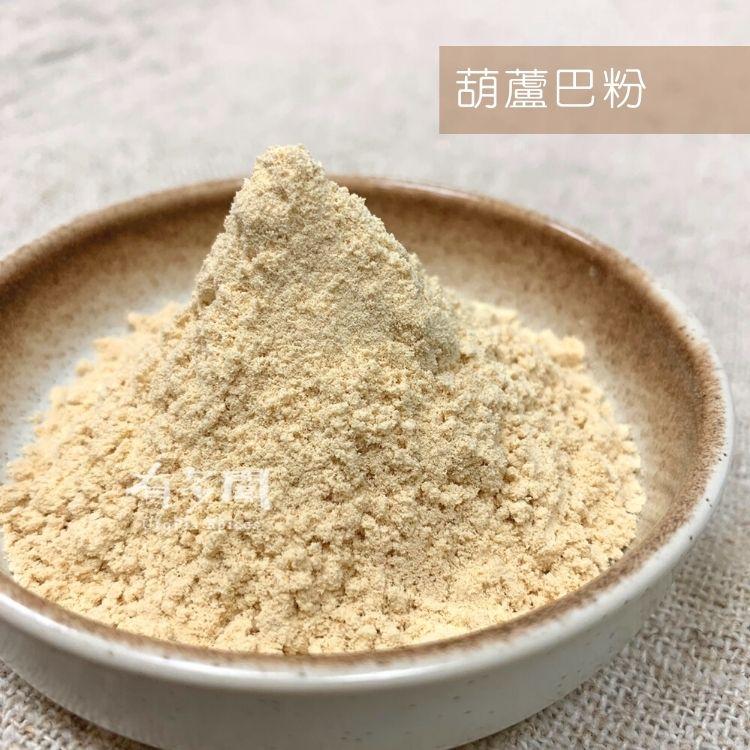
Fenugreek Powder


Feature:
Fenugreek powder is ground from fenugreek seeds.
The powdered form makes it easier to mix with other ingredients, use for flavoring or as a thickener for stews and curries.
Fenugreek powder is usually yellow or light brown in color.

Taste and smell:
It has a strong bitter taste and rich aroma, sometimes with a subtle sweetness from maple or caramel.
Because it is in powder form, the flavor is more concentrated and can be dispersed in food more easily than whole fenugreek seeds.

Origin:
India

Cooking dishes:
It is commonly used in curries and stews in India, Pakistan and Bangladesh.
It is also used in Mediterranean and Middle Eastern cuisine, such as seasoning lamb and beef.
Since fenugreek powder has a strong flavor, only a small amount is usually needed; too much may make the dish bitter.
Can be used to make your own seasoning powder or sauce.

Applicable dishes:
Dry marinade, Indian curry, Indian wrap, tomato chicken stew, vegetable dishes, soup, sauce stew, yogurt

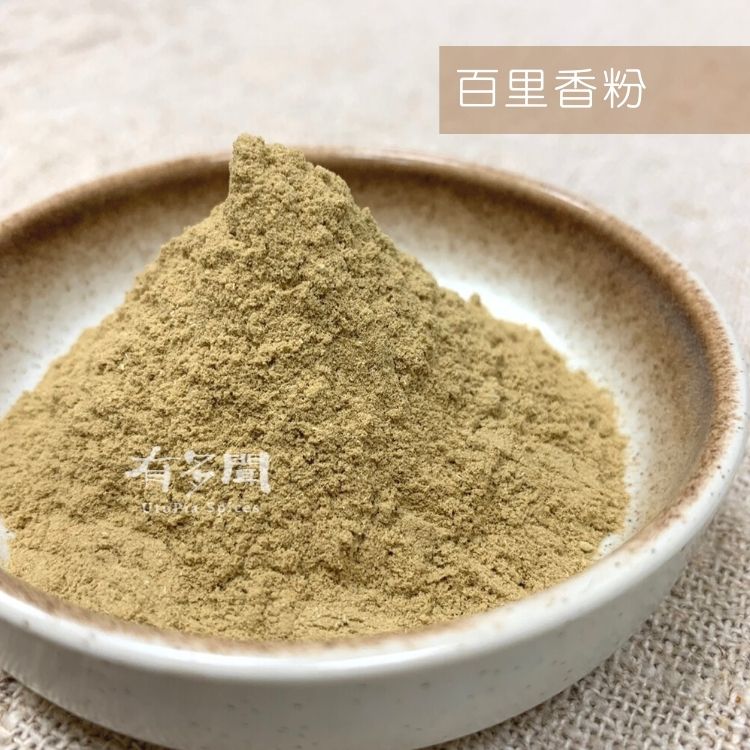
Thyme Powder


Thyme powder is ground, dried thyme leaves.

Feature:
Thyme powder is light to dark green in color and has a fine texture.
Because it is ground, it is easier to distribute evenly in dishes than whole dried thyme leaves.

Taste and Smell:
The flavor has hints of mint and pepper, with a hint of fresh citrus.
The smell is fragrant and slightly sweet, with a unique thyme aroma.

Origin:
Morocco

Cooking dishes:
Soups and Stews: Thyme powder can be sprinkled on soups or stews, especially if you want the flavor of thyme but not the leaves.
Poultry and Meat: Can be mixed with other spices to make marinades or for cooking meat and poultry.
Sauces: In homemade sauces, ground thyme can add depth and complexity.
Vegetables: It can be sprinkled over roasted or sautéed vegetables, or mixed into salads.
Bread and Pizza: Thyme powder can be mixed into bread or pizza dough to add flavor.