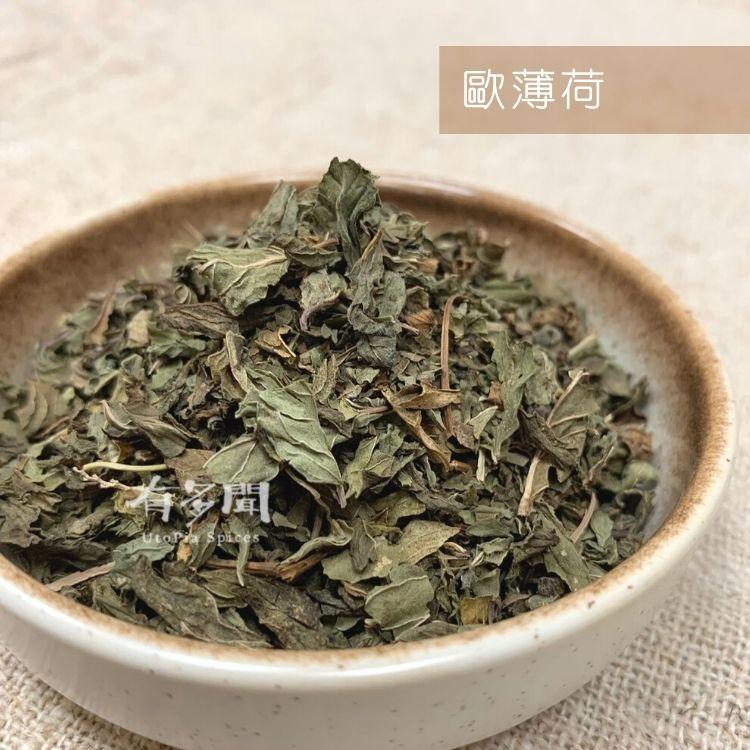
Peppermint


Feature:
Mint is a perennial plant belonging to the genus Mint.
Its leaves usually have jagged edges and are dark green.
Peppermint oil is commonly extracted from mint and is used in a wide variety of products.

Taste and smell:
Taste: Fresh and cool, often described as “icy”.
Smell: Has a strong mint aroma, refreshing and uplifting.

Origin:
Egypt

Cooking dishes:
Beverages: Mint is often used to make mint tea or added to other drinks, such as mint chocolate, mint coffee, etc.
Pastries and Desserts: Peppermint is a popular ingredient in many desserts, such as mint chocolate, mint ice cream, and mint candies.
Sauce: Mint sauce can be made, often paired with lamb.
Salads: Fresh mint leaves can be chopped and sprinkled over salads to add a refreshing flavor.
Southeast Asian Cuisine: Mint leaves are often used as a garnish or added to cuisine in Vietnam, Thailand and other places.

**In addition to its use in cooking, mint’s cooling properties make it particularly popular on summer.
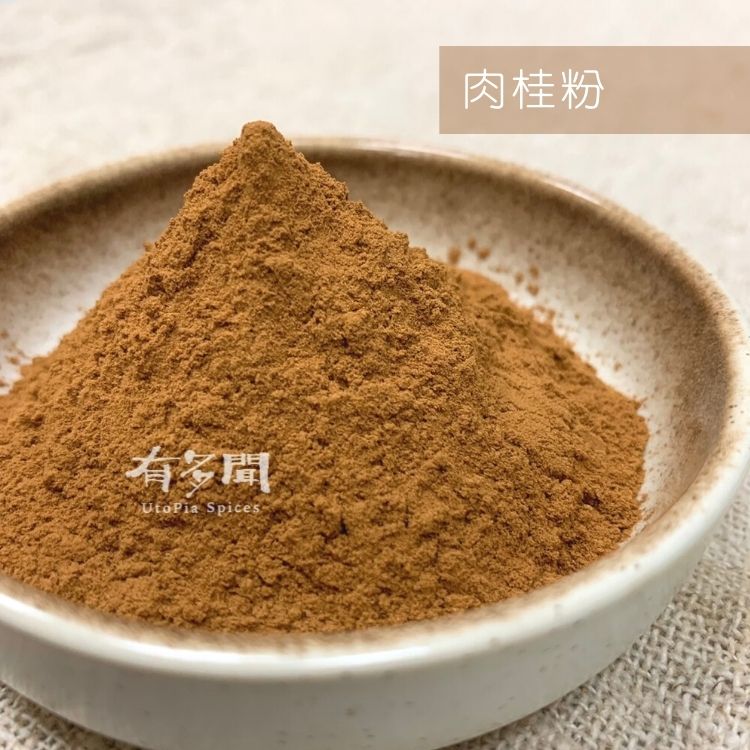
Cinnamon Powder


Cinnamon powder is made from ground cinnamon sticks.

Feature:
Color: golden brown.
Texture: Fine powder.

Taste and Smell:
Cinnamon has warm, sweet and slightly spicy properties.

Origin:
Vietnam

Cooking dishes:
Baking: Cinnamon is a key ingredient in many desserts, such as cookies, cakes, and baked goods.
Breakfast: Often sprinkled on oatmeal, muffins or toast.
Hot beverages: Add coffee, tea or hot chocolate for flavor.
Main dishes: In some cultures, cinnamon is also used in curries, stews, and other savory dishes.
Desserts such as apple pie, cinnamon rolls, pudding and ice cream may contain cinnamon.
Sauces and condiments: Like applesauce or some hot sauces.

Applicable dishes:
Indian curry, cinnamon braised dried beans, Vietnamese pho soup, Indonesian vegetable chicken soup, cinnamon rolls, cinnamon apple cake, crepes, churro sticks, cappuccino, mulled wine, Indian milk tea

**Cinnamon powder is perfect for mixing with other ingredients due to its fine texture. In baking, it spreads evenly throughout dough or dough, ensuring a cinnamon flavor in every bite. When cooked, it blends completely into sauces or soups.

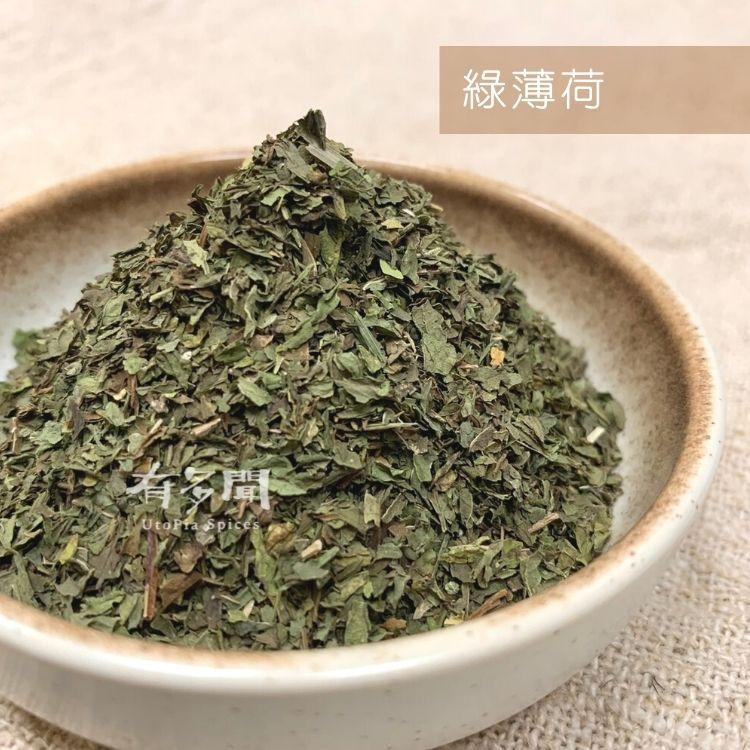
Spearmint


Feature:
Spearmint, scientific name Mentha spicata, is a member of the mint family.
Spearmint leaves are slender and pointed compared to other mint varieties.
Usually ripened during hot summer days, it provides a cooling taste.

Taste and smell:
Taste: The taste of spearmint is relatively mild, with a certain sweetness. Compared with mint, its taste is less strong.
Smell: Fresh mint aroma with herbal characteristics.

Origin:
Egypt

Cooking and Dishes:
Drinks: Spearmint is often used to make mint tea, and can also be added to ice water or juice to provide a refreshing taste, such as Moroccan mint tea.
Salads: Fresh green mint leaves can be chopped and sprinkled over a variety of salads to provide a refreshing taste.
Main course: In Middle Eastern cuisine, spearmint is often used to season lamb or other meats, providing a unique flavor.
Desserts: Spearmint can be paired with chocolate, lemon or other dessert ingredients to create unique mint-flavored desserts.
Sauces and Seasonings: Spearmint can be made into sauces, such as tzatziki sauce made by mixing it with yogurt.

**Spearmint is widely used in cooking, whether it is drinks, main dishes or desserts. When used, the fresh leaves are the most flavorful, while dried mint is suitable for long-cooking dishes.

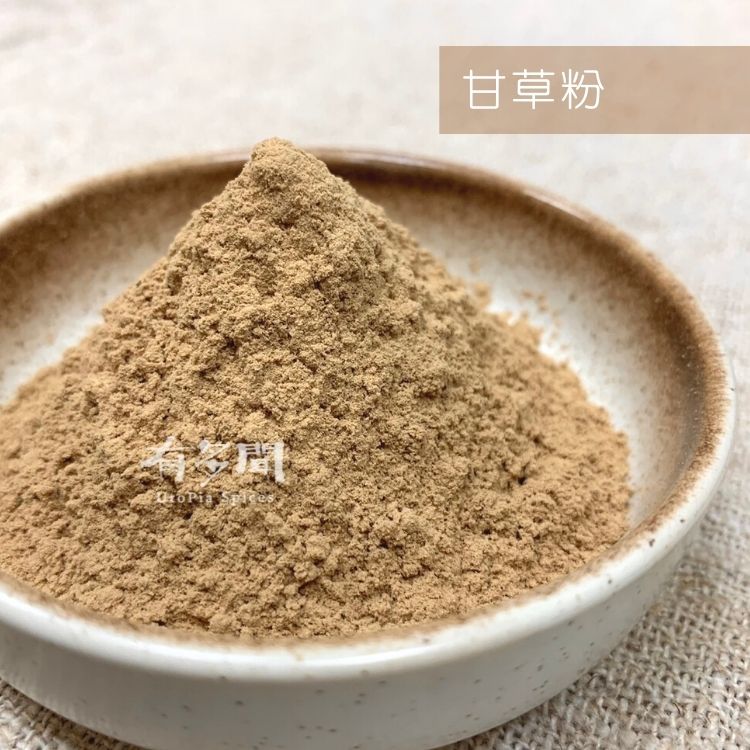
Licorice Powder


Feature:
Appearance: Licorice powder is fine yellow or light brown powder.
Texture: Fine powder, easy to mix with other ingredients.

Taste and Smell:
Taste: Licorice powder tastes very sweet, with a unique sweet oregano aroma and sometimes a slightly bitter taste.
Odor: It has a special sweet smell, which is why it is often used to make desserts and candies.

Origin:
Taiwan

Cooking dishes:
Candy and Desserts: Licorice powder is often used as a natural sweetener, especially when making licorice candies.
Beverages: licorice is used to make hot tea or cold drinks.
Seasoning: In some Asian cuisines, licorice powder is used as a seasoning to add a deep sweetness.
Desserts: Licorice powder can be added to ice cream, pudding, or other desserts.

Applicable dishes:
Braised pork ribs, braised pork with dried plums, dried tofu in pepper and honey sauce, braised pork with licorice, Shaoxing drunken chicken, braised beef tendon, pickled crispy melon, green grass tea, licorice guava, mung bean soup, osmanthus and sour plum soup

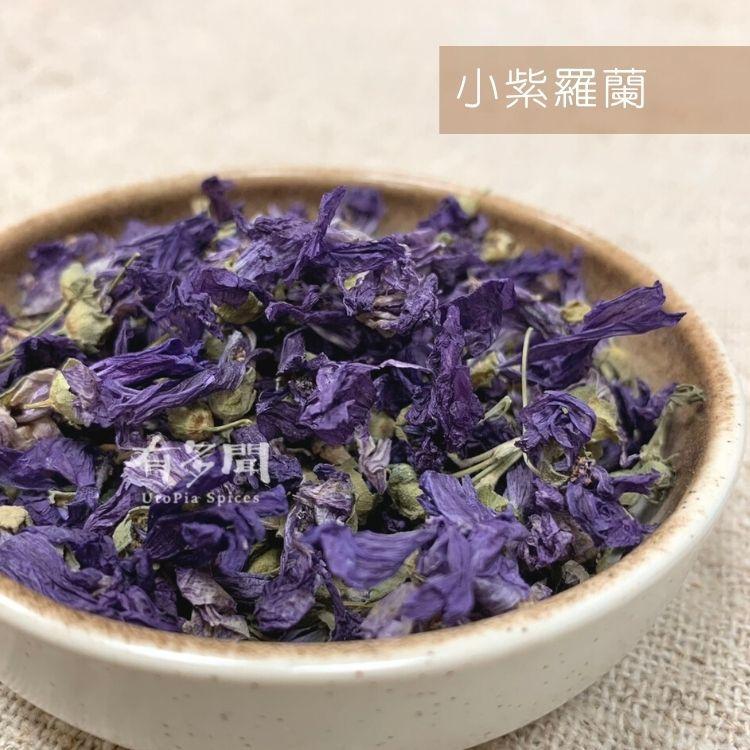
Little Violet


Feature:
Small violets, also known as sweet violets or fragrant violets.
It is a low-growing perennial known for its small purple or white flowers.
The flowers usually bloom in the spring and attract many bees and butterflies.

Taste and smell:
Taste: Violet tastes mildly sweet and sometimes a little bitter.
Smell: The typical Little Violet scent is light, a bit vanilla, sometimes accompanied by a woody or powdery aroma.

Origin:
Iran

Cooking dishes:
Candy: Small violet flowers are often made into candies, dehydrated and candied, and used as dessert decorations.
Desserts: Its flowers and leaves can be used to decorate cakes, cookies or other desserts.
Salads: Fresh baby violet leaves can be added to salads to provide a slight tang.
Beverages: Petite violet flowers can be made into a spiced syrup and added to cocktails, iced tea or sparkling water.
Jam: Small violet flowers can be made into jam or jelly, and the unique color and flavor are very popular.

**Little violets have relatively few uses in cooking, but their beautiful appearance and unique aroma make them ideal for many fine desserts and beverages.

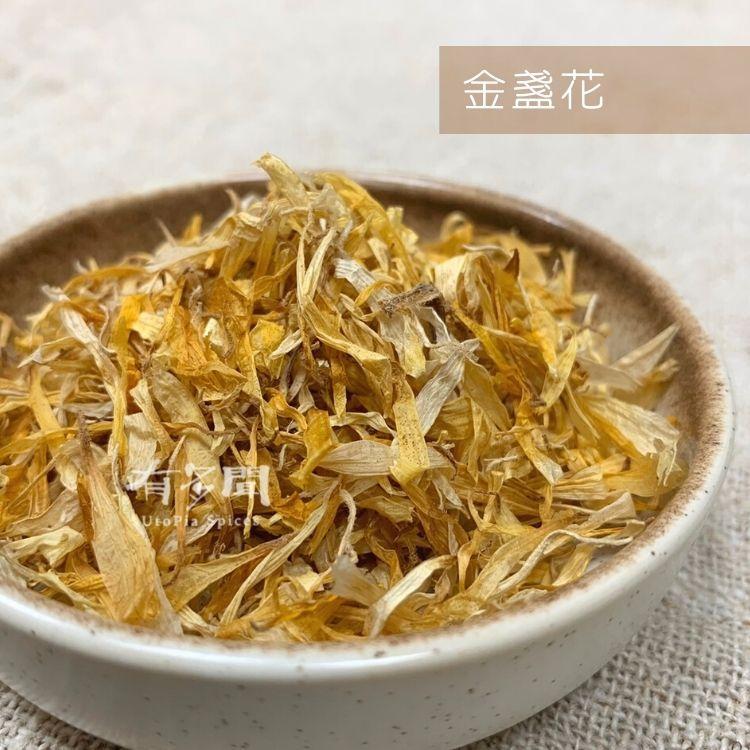
Calendula


Feature:
Marigolds are a common plant found in many gardening settings.
It has bright orange or yellow flowers that are shaped like chrysanthemums.

Taste and smell:
Taste: Slightly bitter and spicy, may be a bit too strong for some.
Smell: Light, woody, somewhat resinous smell.

Origin:
Egypt

Cooking dishes:
Decorative uses: Marigold petals can be used to decorate salads, desserts, cookies or cakes.
Beverages: Calendula petals can be steeped in hot water to make a scented tea, which has a slightly bitter taste.
Substitutes: In some cuisines, calendula petals are used as an economical substitute for saffron, providing a similar yellow staining effect but with a slightly different flavor.

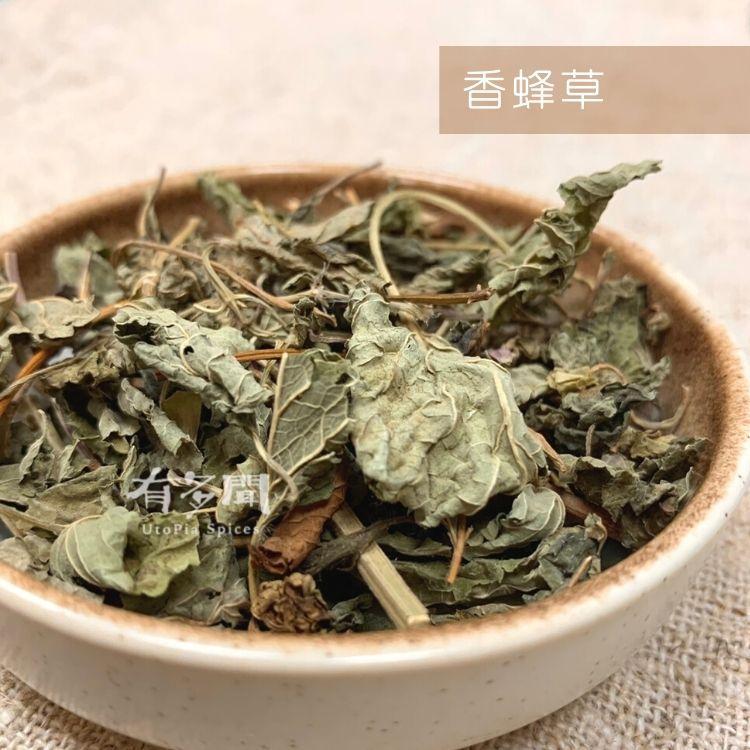
Balm


Feature:
Lemon balm is a perennial herb belonging to the Lamiaceae family.
The plant has short stems, opposite leaves, and small white or pale yellow flowers.

Taste and smell:
Taste: Lemon balm tastes similar to its scent, with a hint of lemon.
Smell: lemon scent, fresh and slightly sweet.

Origin:
Iran

Cooking and Dishes:
Beverages: Its leaves can be used to make lemon balm tea, a uniquely flavored herbal tea with a hint of lemon.
Seasoning: Fresh or dried lemon balm leaves can be added to salads, sauces, or other dishes to add a refreshing lemony flavor.

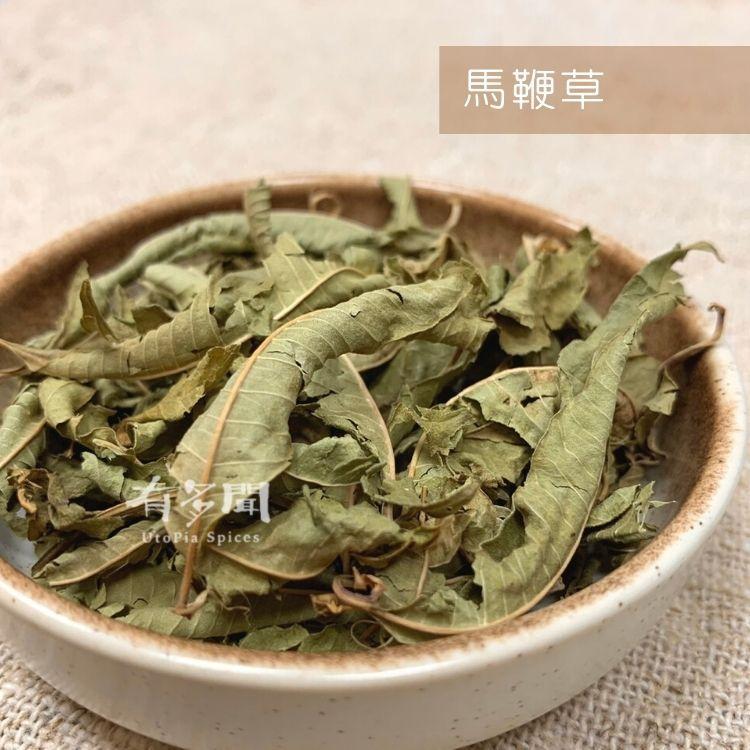
Verbena


Feature:
Verbena is spreading, growing quickly and adapting to a variety of environments.
The leaves are oval or oblong with obvious veins.
The flowers are small and dense, usually white or pale pink.

Taste and smell:
Taste: Verbena has a relatively mild, slightly bitter taste.
Odor: The smell of verbena is not strong, with a light herbal smell.

Origin:
Morocco

Brewing method:
Material selection: Choose fresh verbena leaves and stems.
Cleaning: Wash the verbena thoroughly in clean water.
Chop: Verbena can be chopped slightly to help release its flavor.
Brewing: Add verbena to hot water and let it steep for 5-10 minutes.
Drinking: Once filtered, verbena tea is ready to drink. If desired, add some sugar or honey to taste.

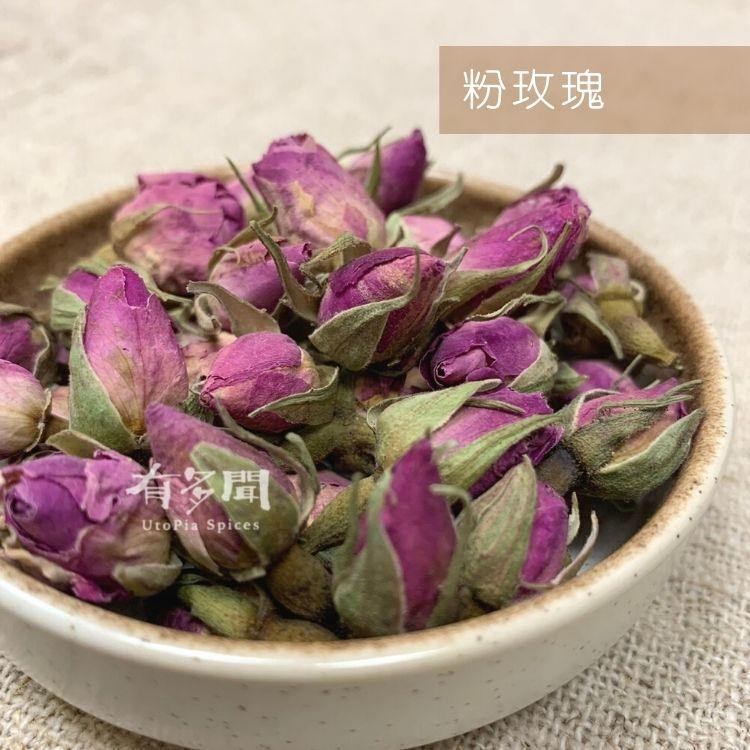
Pink Rose


Pink roses are soft-colored roses that have a unique sweetness and softness compared to red roses.

Feature:
Pink roses come in a wide range of colors, from pale pink to rich peach.
The petals are soft and creamy to the touch.

Taste and smell:
Flavor: Rose nectar or rose syrup has a lightly floral and sweet aroma.
Smell: The smell of pink roses is sweet and fragrant, with the unique floral fragrance of roses.

Origin:
Iran

Cooking dishes:
Rose sugar: Made from rose petals and sugar, it can be used to decorate pastries or serve as tea.
Rose Nectar: ​​A thick liquid made from rose petals soaked in sugar, suitable for desserts or drinks.
Rose tea: tea made from dried rose petals.
Rose ice cream and jellies: Rose spice can be added to ice cream and jellies to add a special flavor.

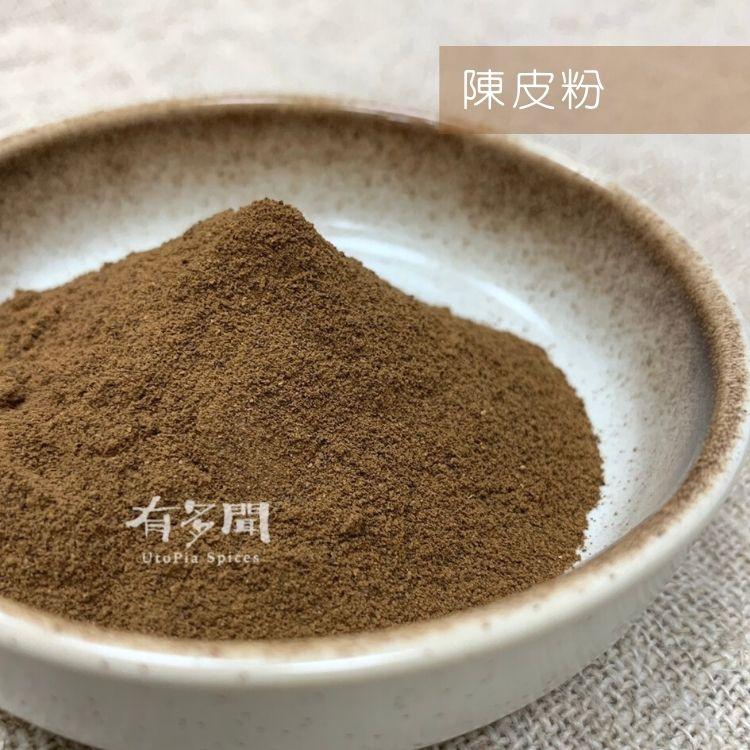
Dried Tangerine Peel Powder


Feature:
Tangerine peel powder is a fine powdery substance made from ground tangerine peel.
Usually has a degree of bitterness and a strong citrus aroma.
Easier to store and use, suitable for a variety of dishes.

Taste and smell:
It has a strong citrus aroma with a unique bitter taste.
The aroma is more concentrated than fresh citrus peel.

Origin:
China

Cooking dishes:
Commonly used for stewing soups, stir-frying, and grilling meats.
Suitable for sauces and sauces.
Because of the rich flavor, only a small amount is usually needed.

Applicable dishes:
Salted fish patties, stir-fried beef with oyster sauce, Taiwanese braised meat, winter melon and tangerine peel old duck soup, pear and southern apricot stewed pork shank, tangerine peel steamed pork ribs, tangerine peel duck, roselle tea, sour plum soup